

278
R.G. Ackman
Stage I
H
2
-r
OH
H-C-OH
Palmitic or Oleic
Oleic and DHA (or EPA)
I
+
H 2 -C -0- P02-0-C H 2 -C H 2 -N (C H 3 )3
Stage II
o
II
H 2 -C-0-C-(C H 2 )14- CH3
I ~
H H
H-C-O-C-(C H 2 )2- (C= C-C H 2 )6 -CH3
I r -Ci rcu'ating (Pa'mtie 0' O'eie)
H 2 -C - 0 l-Di etary (20:1 and 22:1 primarily from Copepods)
- Dietary EPA or DHA from Plankton
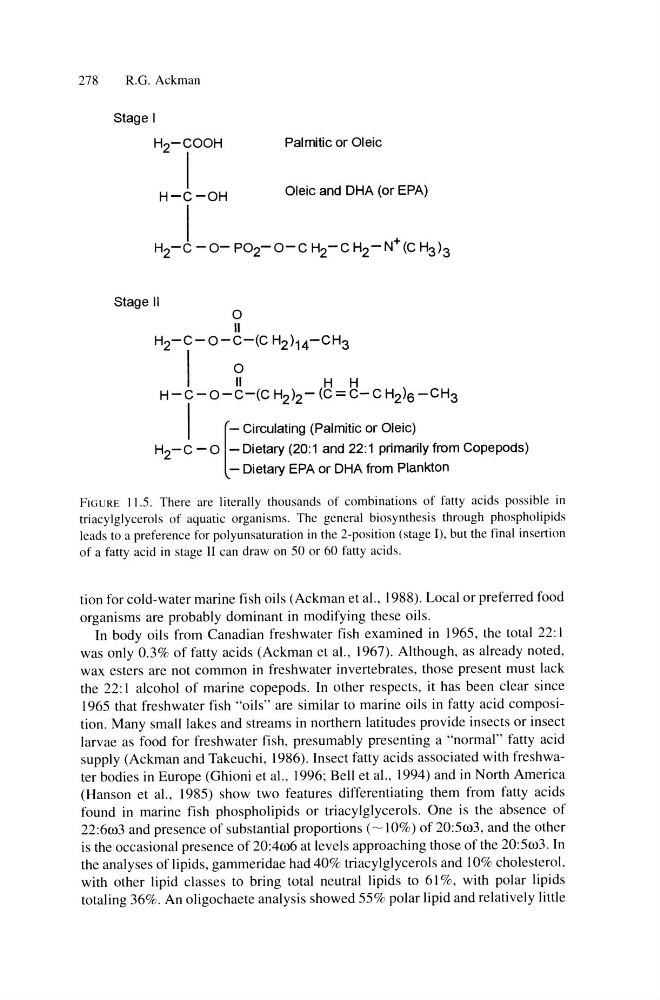
FIGURE 11.5. There are literally thousands of combinations of fatty acids possible in
triacylglycerols of aquatic organisms. The general biosynthesis through phospholipids
leads to a preference for polyunsaturation in the 2-position (stage I), but the final insertion
of a fatty acid in stage II can draw on 50 or 60 fatty acids.
tion for cold-water marine fish oils (Ackman et a!., 1988). Local or preferred food
organisms are probably dominant in modifying these oils.
In body oils from Canadian freshwater fish examined in 1965, the total 22: I
was only 0.3% of fatty acids (Ackman et aI., 1967). Although, as already noted,
wax esters are not common in freshwater invertebrates, those present must lack
the 22: I alcohol of marine copepods. In other respects, it has been clear since
1965 that freshwater fish "oils" are similar to marine oils in fatty acid composition. Many small lakes and streams in northern latitudes provide insects or insect
larvae as food for freshwater fish, presumably presenting a "normal" fatty acid
supply (Ackman and Takeuchi, 1986). Insect fatty acids associated with freshwater bodies in Europe (Ghioni et aI., 1996; Bell et aI., 1994) and in North America
(Hanson et a!., 1985) show two features differentiating them from fatty acids
found in marine fish phospholipids or triacylglycerols. One is the absence of
22:6(03 and presence of substantial proportions ( ~ 10%) of 20:5(03, and the other
is the occasional presence of 20:4(06 at levels approaching those of the 20:5(03. In
the analyses of lipids, gammeridae had 40% triacylglycerols and 10% cholesterol,
with other lipid classes to bring total neutral lipids to 61 %, with polar lipids
totaling 36%. An oligochaete analysis showed 55% polar lipid and relatively little
R.G. Ackman
Stage I
H
2
-r
OH
H-C-OH
Palmitic or Oleic
Oleic and DHA (or EPA)
I
+
H 2 -C -0- P02-0-C H 2 -C H 2 -N (C H 3 )3
Stage II
o
II
H 2 -C-0-C-(C H 2 )14- CH3
I ~
H H
H-C-O-C-(C H 2 )2- (C= C-C H 2 )6 -CH3
I r -Ci rcu'ating (Pa'mtie 0' O'eie)
H 2 -C - 0 l-Di etary (20:1 and 22:1 primarily from Copepods)
- Dietary EPA or DHA from Plankton
FIGURE 11.5. There are literally thousands of combinations of fatty acids possible in
triacylglycerols of aquatic organisms. The general biosynthesis through phospholipids
leads to a preference for polyunsaturation in the 2-position (stage I), but the final insertion
of a fatty acid in stage II can draw on 50 or 60 fatty acids.
tion for cold-water marine fish oils (Ackman et a!., 1988). Local or preferred food
organisms are probably dominant in modifying these oils.
In body oils from Canadian freshwater fish examined in 1965, the total 22: I
was only 0.3% of fatty acids (Ackman et aI., 1967). Although, as already noted,
wax esters are not common in freshwater invertebrates, those present must lack
the 22: I alcohol of marine copepods. In other respects, it has been clear since
1965 that freshwater fish "oils" are similar to marine oils in fatty acid composition. Many small lakes and streams in northern latitudes provide insects or insect
larvae as food for freshwater fish, presumably presenting a "normal" fatty acid
supply (Ackman and Takeuchi, 1986). Insect fatty acids associated with freshwater bodies in Europe (Ghioni et aI., 1996; Bell et aI., 1994) and in North America
(Hanson et a!., 1985) show two features differentiating them from fatty acids
found in marine fish phospholipids or triacylglycerols. One is the absence of
22:6(03 and presence of substantial proportions ( ~ 10%) of 20:5(03, and the other
is the occasional presence of 20:4(06 at levels approaching those of the 20:5(03. In
the analyses of lipids, gammeridae had 40% triacylglycerols and 10% cholesterol,
with other lipid classes to bring total neutral lipids to 61 %, with polar lipids
totaling 36%. An oligochaete analysis showed 55% polar lipid and relatively little