

31
from sugars, through incubation with whole enzymes from T. reesei (England et al.
2015). While there are no studies to demonstrate this in other fungal systems, it may
be speculated that similar systems exist in other fungi as well, since in nature, inducers have to be generated by the organisms themselves.
Commercial preparations of cellulase contain several additives which serve different functions, such as stabilization, protection against microbial attack, surface
activity, etc., and the type and amount of these additives are often the industry’s
proprietary information. However, the general principles of protein stabilization and
formulation are applicable in the case of cellulases and the major type of additives
can very well be described. While an elaborate discussion on the protein stabilization in commercial preparations is beyond the scope of this chapter, the components
that really add to the enhancement in cellulase activity either directly or indirectly
are definitely worth mentioning. The most important among such additives are the
amphiphiles, which are surface-active agents. Surfactants and proteins have been
traditionally used in biomass-hydrolyzing enzyme preparations, and as additives in
the hydrolysis process for enhancing the hydrolysis. However, the precise mechanisms by which they accomplish this are still obscure. It is believed that the amphiphiles enhance hydrolysis in multiple different ways, which include preventing
nonspecific binding of enzymes to lignin, modification of biomass chemical structure, reduction in viscosity, surface tension and consequent reduction in enzyme
contact with air liquid interface, etc. (Eckard et al. 2013a). Biomass pretreatment
techniques are designed to remove either lignin or hemicellulose in general, and the
degradation products and oligomers can seriously inhibit enzymatic hydrolysis.
Cheaper technology
for large scale
production
Use of less
expensive feed
stock
Cellulase cost
reduction
Genetic improvement
of cellulase producers
Onsite
production
Developing
Cheaper inducers
Optimization of production
parameters
Improve specific activity
Thermostable enzymes
(solid-state
fermentation)
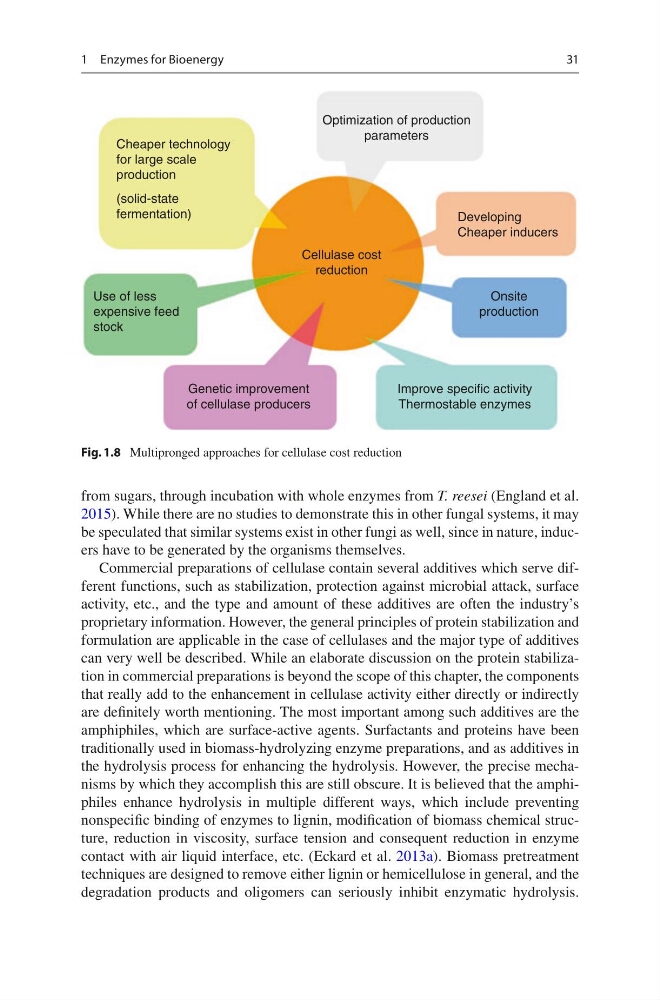
Fig. 1.8 Multipronged approaches for cellulase cost reduction
1 Enzymes for Bioenergy
from sugars, through incubation with whole enzymes from T. reesei (England et al.
2015). While there are no studies to demonstrate this in other fungal systems, it may
be speculated that similar systems exist in other fungi as well, since in nature, inducers have to be generated by the organisms themselves.
Commercial preparations of cellulase contain several additives which serve different functions, such as stabilization, protection against microbial attack, surface
activity, etc., and the type and amount of these additives are often the industry’s
proprietary information. However, the general principles of protein stabilization and
formulation are applicable in the case of cellulases and the major type of additives
can very well be described. While an elaborate discussion on the protein stabilization in commercial preparations is beyond the scope of this chapter, the components
that really add to the enhancement in cellulase activity either directly or indirectly
are definitely worth mentioning. The most important among such additives are the
amphiphiles, which are surface-active agents. Surfactants and proteins have been
traditionally used in biomass-hydrolyzing enzyme preparations, and as additives in
the hydrolysis process for enhancing the hydrolysis. However, the precise mechanisms by which they accomplish this are still obscure. It is believed that the amphiphiles enhance hydrolysis in multiple different ways, which include preventing
nonspecific binding of enzymes to lignin, modification of biomass chemical structure, reduction in viscosity, surface tension and consequent reduction in enzyme
contact with air liquid interface, etc. (Eckard et al. 2013a). Biomass pretreatment
techniques are designed to remove either lignin or hemicellulose in general, and the
degradation products and oligomers can seriously inhibit enzymatic hydrolysis.
Cheaper technology
for large scale
production
Use of less
expensive feed
stock
Cellulase cost
reduction
Genetic improvement
of cellulase producers
Onsite
production
Developing
Cheaper inducers
Optimization of production
parameters
Improve specific activity
Thermostable enzymes
(solid-state
fermentation)
Fig. 1.8 Multipronged approaches for cellulase cost reduction
1 Enzymes for Bioenergy