

297
metabolites. The total number of bioactive metabolites produced by fungi is approximately 8600, representing 38% of the total metabolites. Microscopic algae, including seaweeds, dinoflagellates and diatoms, produce around 1300 bioactive
metabolites. It is important to note that a large fraction of the secondary metabolites
produced by microorganisms lack any biological activity. Further, only a small fraction of the biologically active molecules is used in direct practical applications in
humans, in animals or in agricultural practice. From around 22,500 molecules
known as biologically active metabolites from microbes, only about 150 are translated to useful products (Bérdy 2005).
12.4 Biology and Activity of Antimicrobials
12.4.1 Genus Streptomyces
The genus Streptomyces is a group of chemoorganotrophic, aerobic, gram-positive
bacteria with a filamentous morphology superficially similar to fungus. It is the
largest genus of the phylum Actinobacteria and belongs to the family
Streptomycetacea. More than 500 species of the genus Streptomyces have been
described. The members of the genus are characterized by the high G+C content
ranging from 69 to 78% of their genome. They produce filamentous aerial hyphae
that differentiate into spores that are formed by the fragmentation of the filament
and appear in straight, wavy or helical chains. Streptomyces spp. produce geosmin,
100
90
80
70
60
50
40
30
20
10
0
-1950 51-55 56-60 61-65 66-70 71-75 76-80
rare actinos
Streptomyces
fungi
bacteria
81-85 86-90 91-95 96-00 2001%
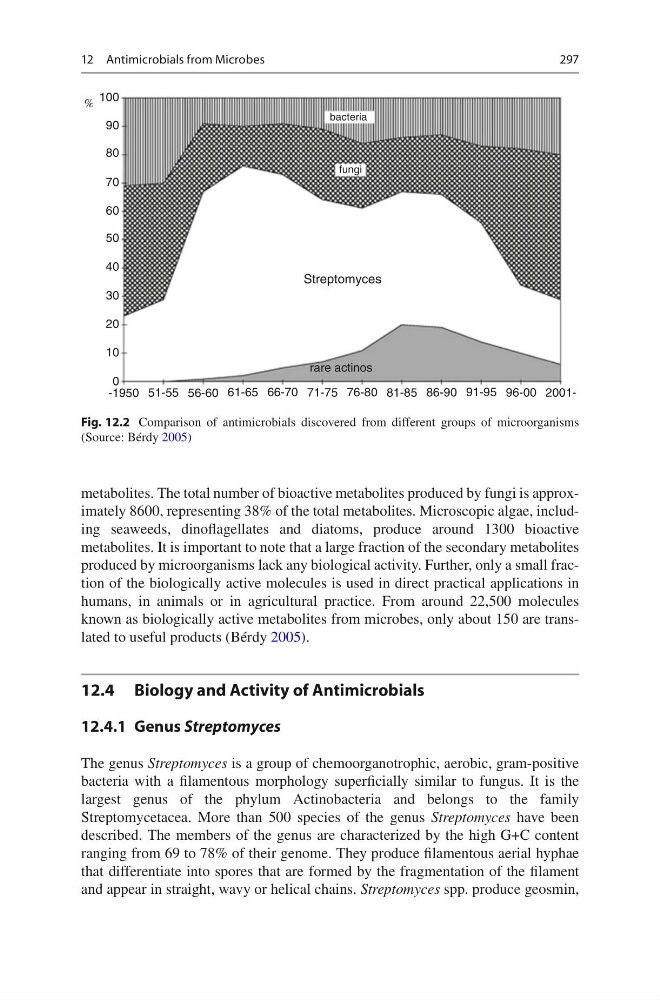
Fig. 12.2 Comparison of antimicrobials discovered from different groups of microorganisms
(Source: Bérdy 2005)
12 Antimicrobials from Microbes
metabolites. The total number of bioactive metabolites produced by fungi is approximately 8600, representing 38% of the total metabolites. Microscopic algae, including seaweeds, dinoflagellates and diatoms, produce around 1300 bioactive
metabolites. It is important to note that a large fraction of the secondary metabolites
produced by microorganisms lack any biological activity. Further, only a small fraction of the biologically active molecules is used in direct practical applications in
humans, in animals or in agricultural practice. From around 22,500 molecules
known as biologically active metabolites from microbes, only about 150 are translated to useful products (Bérdy 2005).
12.4 Biology and Activity of Antimicrobials
12.4.1 Genus Streptomyces
The genus Streptomyces is a group of chemoorganotrophic, aerobic, gram-positive
bacteria with a filamentous morphology superficially similar to fungus. It is the
largest genus of the phylum Actinobacteria and belongs to the family
Streptomycetacea. More than 500 species of the genus Streptomyces have been
described. The members of the genus are characterized by the high G+C content
ranging from 69 to 78% of their genome. They produce filamentous aerial hyphae
that differentiate into spores that are formed by the fragmentation of the filament
and appear in straight, wavy or helical chains. Streptomyces spp. produce geosmin,
100
90
80
70
60
50
40
30
20
10
0
-1950 51-55 56-60 61-65 66-70 71-75 76-80
rare actinos
Streptomyces
fungi
bacteria
81-85 86-90 91-95 96-00 2001%
Fig. 12.2 Comparison of antimicrobials discovered from different groups of microorganisms
(Source: Bérdy 2005)
12 Antimicrobials from Microbes