

238
Inflammatory mediators include cell-derived and plasma-derived components.
Plasma-derived factors involve four interlinked systems such as kinin, clotting,
fibrinolytic, and complement systems. Major cell-derived factors include histamine,
cytokines, prostaglandins, and leukotrienes. Cellular players of innate immune
response are the major mediators of inflammation. Table 10.1 describes the different
types and the respective functions of each plasma derived mediators of inflammation (Renné et al. 2012; Bas et al. 2007; Mosesson et al. 2001; Sharma et al. 2011).
10.2 Inflammatory Mediators with Immune Modulation
The existence of crosstalk between innate and adaptive immunities is well established. The interdependence of innate and adaptive immunity is found to be mediated by various inflammatory mediators. The major proinflammatory mediators
Mediators
Inflammation
& Innate
immune
response
Inflammation
& adaptive
immune
response
Acute
Inflammation
Acute bronchitis
Sore throat
Appendicitis
Tonsillitis,
Sinusitis and
Infective meningitis
Hypersensitive disorders
Autoimmune disorders
Metabolic disorders
Neurological disorders
Cardiovascular disorders
cancer
Acronic
Inflammation
Immune cells fail to
remove noxious stimuli
Response
Effects
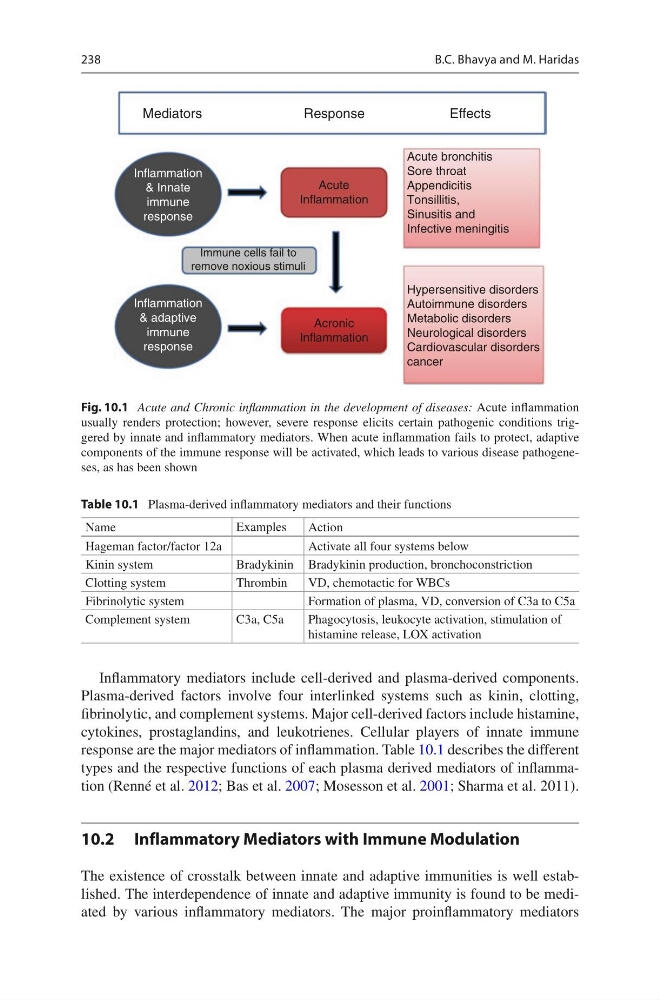
Fig. 10.1 Acute and Chronic inflammation in the development of diseases: Acute inflammation
usually renders protection; however, severe response elicits certain pathogenic conditions triggered by innate and inflammatory mediators. When acute inflammation fails to protect, adaptive
components of the immune response will be activated, which leads to various disease pathogeneses, as has been shown
Table 10.1 Plasma-derived inflammatory mediators and their functions
Name
Examples
Action
Hageman factor/factor 12a
Activate all four systems below
Kinin system
Bradykinin Bradykinin production, bronchoconstriction
Clotting system
Thrombin
VD, chemotactic for WBCs
Fibrinolytic system
Formation of plasma, VD, conversion of C3a to C5a
Complement system
C3a, C5a
Phagocytosis, leukocyte activation, stimulation of
histamine release, LOX activation
B.C. Bhavya and M. Haridas
Inflammatory mediators include cell-derived and plasma-derived components.
Plasma-derived factors involve four interlinked systems such as kinin, clotting,
fibrinolytic, and complement systems. Major cell-derived factors include histamine,
cytokines, prostaglandins, and leukotrienes. Cellular players of innate immune
response are the major mediators of inflammation. Table 10.1 describes the different
types and the respective functions of each plasma derived mediators of inflammation (Renné et al. 2012; Bas et al. 2007; Mosesson et al. 2001; Sharma et al. 2011).
10.2 Inflammatory Mediators with Immune Modulation
The existence of crosstalk between innate and adaptive immunities is well established. The interdependence of innate and adaptive immunity is found to be mediated by various inflammatory mediators. The major proinflammatory mediators
Mediators
Inflammation
& Innate
immune
response
Inflammation
& adaptive
immune
response
Acute
Inflammation
Acute bronchitis
Sore throat
Appendicitis
Tonsillitis,
Sinusitis and
Infective meningitis
Hypersensitive disorders
Autoimmune disorders
Metabolic disorders
Neurological disorders
Cardiovascular disorders
cancer
Acronic
Inflammation
Immune cells fail to
remove noxious stimuli
Response
Effects
Fig. 10.1 Acute and Chronic inflammation in the development of diseases: Acute inflammation
usually renders protection; however, severe response elicits certain pathogenic conditions triggered by innate and inflammatory mediators. When acute inflammation fails to protect, adaptive
components of the immune response will be activated, which leads to various disease pathogeneses, as has been shown
Table 10.1 Plasma-derived inflammatory mediators and their functions
Name
Examples
Action
Hageman factor/factor 12a
Activate all four systems below
Kinin system
Bradykinin Bradykinin production, bronchoconstriction
Clotting system
Thrombin
VD, chemotactic for WBCs
Fibrinolytic system
Formation of plasma, VD, conversion of C3a to C5a
Complement system
C3a, C5a
Phagocytosis, leukocyte activation, stimulation of
histamine release, LOX activation
B.C. Bhavya and M. Haridas