

203
9.1.2 Mediators of Inflammation
Coordinated action of a large number of mediators initiates inflammatory responses.
Inflammatory responses are initiated by inducers, and they activate specialized sensors. These specialized sensors then activate mediators altering the functional state
of tissues and cells for withstanding the environment created by specific inflammatory inducers. Specifically we may say that inducers – sensors – mediators and
effectors together resulted in the inflammatory pathway. Inducers are either endogenous or endogenous in nature. Exogenous inducers include both microbial and
non-microbial ones. Microbial inducers are virulence factors and have pathogenassociated molecular patterns (PAMPs). Non-microbial exogenous inducers include
allergens, toxic compounds, foreign bodies and irritants. Signals from damaged tissue are endogenous inducers, which initiate the production of mediators from
plasma proteins. Based on the biochemical properties mediators can be classified
into different categories, including lipid mediators, fragments of complement components, cytokines, vasoactive amines, vasoactive peptides, chemokines and proteolytic enzymes (Medzhitov 2008). Lipid mediators include eicosanoids and
platelet-activating factors which are produced through the coordinated action of
phospholipase A 2 , cyclooxygenase and lipoxygenase on membrane phospholipids.
Membrane phospholipids will get converted to arachidonic acid by phospholipase
A 2 and further metabolized to prostanoids by cyclooxygenase and leukotrienes with
the help of lipoxygenase.
9.1.2.1 Prostaglandins
Prostaglandins are important inflammatory mediators found in a variety of human
tissues, animals and also in coelenterates. They exert specific biological reactions
via G protein-coupled receptors. Significant functions of prostaglandins include
immune responses, nerve growth and development, wound healing (Dhanjal et al.
2015), blood clotting, ovulation, initiation of labour, bone metabolism and blood
vessel tone Prostaglandins are created by cells and then act only in the surrounding
Inflammatory trigger
Inflammation
Inflammation
Physiological
Purpose
Pathological
Consequences
Host defence against infection
Auto Immunity Inflammatory
tissue damage and sepsis
Fibrosis, metaplasia
and/or tumour growth
Shift in homeostatic set point
development of diseases of
homeostasis and/or
autoinflammatory diseases
Tissue repairresponse
Adaption to stress and restoration
of a homeostatic state
Tissue Injury Tissue stress and Malfunction
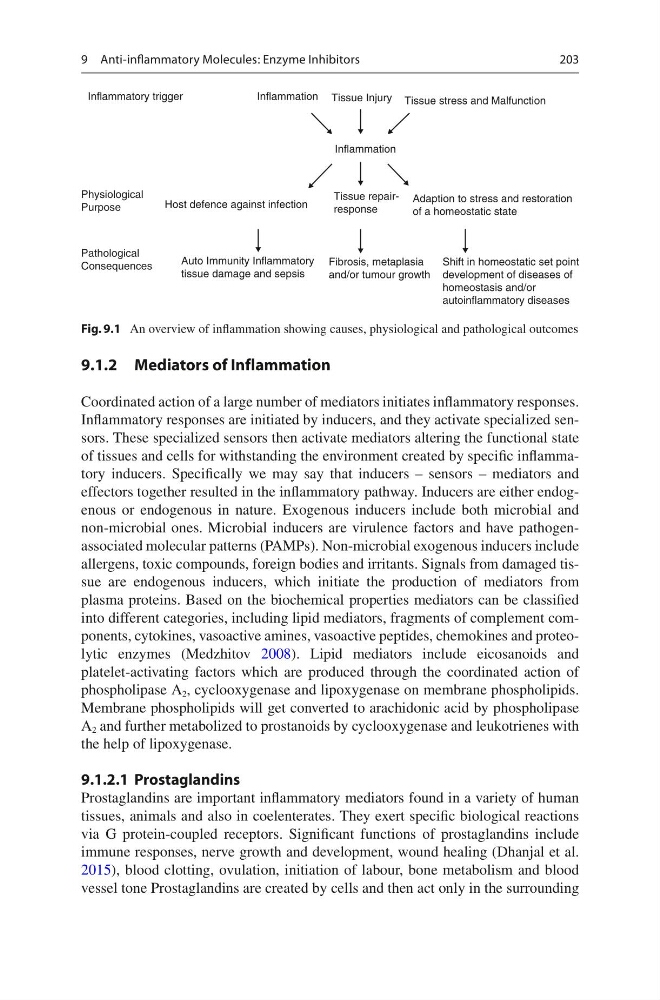
Fig. 9.1 An overview of inflammation showing causes, physiological and pathological outcomes
9 Anti-inflammatory Molecules: Enzyme Inhibitors
9.1.2 Mediators of Inflammation
Coordinated action of a large number of mediators initiates inflammatory responses.
Inflammatory responses are initiated by inducers, and they activate specialized sensors. These specialized sensors then activate mediators altering the functional state
of tissues and cells for withstanding the environment created by specific inflammatory inducers. Specifically we may say that inducers – sensors – mediators and
effectors together resulted in the inflammatory pathway. Inducers are either endogenous or endogenous in nature. Exogenous inducers include both microbial and
non-microbial ones. Microbial inducers are virulence factors and have pathogenassociated molecular patterns (PAMPs). Non-microbial exogenous inducers include
allergens, toxic compounds, foreign bodies and irritants. Signals from damaged tissue are endogenous inducers, which initiate the production of mediators from
plasma proteins. Based on the biochemical properties mediators can be classified
into different categories, including lipid mediators, fragments of complement components, cytokines, vasoactive amines, vasoactive peptides, chemokines and proteolytic enzymes (Medzhitov 2008). Lipid mediators include eicosanoids and
platelet-activating factors which are produced through the coordinated action of
phospholipase A 2 , cyclooxygenase and lipoxygenase on membrane phospholipids.
Membrane phospholipids will get converted to arachidonic acid by phospholipase
A 2 and further metabolized to prostanoids by cyclooxygenase and leukotrienes with
the help of lipoxygenase.
9.1.2.1 Prostaglandins
Prostaglandins are important inflammatory mediators found in a variety of human
tissues, animals and also in coelenterates. They exert specific biological reactions
via G protein-coupled receptors. Significant functions of prostaglandins include
immune responses, nerve growth and development, wound healing (Dhanjal et al.
2015), blood clotting, ovulation, initiation of labour, bone metabolism and blood
vessel tone Prostaglandins are created by cells and then act only in the surrounding
Inflammatory trigger
Inflammation
Inflammation
Physiological
Purpose
Pathological
Consequences
Host defence against infection
Auto Immunity Inflammatory
tissue damage and sepsis
Fibrosis, metaplasia
and/or tumour growth
Shift in homeostatic set point
development of diseases of
homeostasis and/or
autoinflammatory diseases
Tissue repairresponse
Adaption to stress and restoration
of a homeostatic state
Tissue Injury Tissue stress and Malfunction
Fig. 9.1 An overview of inflammation showing causes, physiological and pathological outcomes
9 Anti-inflammatory Molecules: Enzyme Inhibitors