

196
J. Y. CHANG
N
(N) (6-14) (16-28) 122-39)
(a) [6-161 [14-28] 122-39)
(a") [6-39] [14-28] [16-22]
(b) 16-14) [16-22] [28-39]
b
(b*) [6-39) [14-22] (16-28J
(c) (6-14) (16-39] [22-28)
c
[6-16) (14-22] [28-39]
(d) [6-16] (14-39] [22-28)
(e) [6-22] [14-39) (16-28J
(f)
[6-221 [14-28] [16-39]
(g) [6-28J [14-39] (16-22]
(h) [6-28] [14 -22] [16-39]
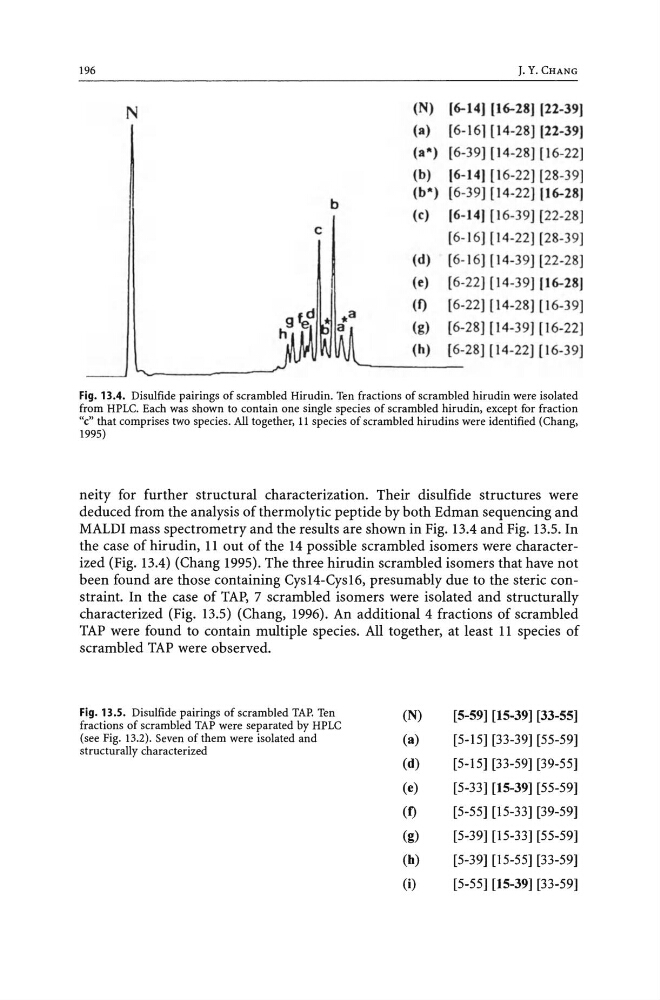
Fig. 13.4. Disulfide pairings of scrambled Hirudin. Ten fractions of scrambled hirudin were isolated
from HPLC. Each was shown to contain one single species of scrambled hirudin, except for fraction
"c" that comprises two species. All together, 11 species of scrambled hirudins were identified (Chang,
1995)
neity for further structural characterization. Their disulfide structures were
deduced from the analysis of thermolytic peptide by both Edman sequencing and
MALDI mass spectrometry and the results are shown in Fig. 13.4 and Fig. 13.5. In
the case of hirudin, 11 out of the 14 possible scrambled isomers were characterized (Fig. 13.4) (Chang 1995). The three hirudin scrambled isomers that have not
been found are those containing CysI4-CysI6, presumably due to the steric constraint. In the case of TAP, 7 scrambled isomers were isolated and structurally
characterized (Fig. 13.5) (Chang, 1996). An additional 4 fractions of scrambled
TAP were found to contain multiple species. All together, at least 11 species of
scrambled TAP were observed.
Fig. 13.5. Disulfide pairings of scrambled TAP. Ten
fractions of scrambled TAP were separated by HPLC
(see Fig. 13.2). Seven of them were isolated and
structurally characterized
(N)
(a)
(d)
(e)
(I)
(g)
(b)
(i)
[5-59] [15-39] [33-55]
[5-15] [33-39] [55-59]
[5-15] [33-59] [39-55]
[5-33] [15-39] [55-59]
[5-55] [15-33] [39-59]
[5-39] [15-33] [55-59]
[5-39] [15-55] [33-59]
[5-55] [15-39] [33-59]
J. Y. CHANG
N
(N) (6-14) (16-28) 122-39)
(a) [6-161 [14-28] 122-39)
(a") [6-39] [14-28] [16-22]
(b) 16-14) [16-22] [28-39]
b
(b*) [6-39) [14-22] (16-28J
(c) (6-14) (16-39] [22-28)
c
[6-16) (14-22] [28-39]
(d) [6-16] (14-39] [22-28)
(e) [6-22] [14-39) (16-28J
(f)
[6-221 [14-28] [16-39]
(g) [6-28J [14-39] (16-22]
(h) [6-28] [14 -22] [16-39]
Fig. 13.4. Disulfide pairings of scrambled Hirudin. Ten fractions of scrambled hirudin were isolated
from HPLC. Each was shown to contain one single species of scrambled hirudin, except for fraction
"c" that comprises two species. All together, 11 species of scrambled hirudins were identified (Chang,
1995)
neity for further structural characterization. Their disulfide structures were
deduced from the analysis of thermolytic peptide by both Edman sequencing and
MALDI mass spectrometry and the results are shown in Fig. 13.4 and Fig. 13.5. In
the case of hirudin, 11 out of the 14 possible scrambled isomers were characterized (Fig. 13.4) (Chang 1995). The three hirudin scrambled isomers that have not
been found are those containing CysI4-CysI6, presumably due to the steric constraint. In the case of TAP, 7 scrambled isomers were isolated and structurally
characterized (Fig. 13.5) (Chang, 1996). An additional 4 fractions of scrambled
TAP were found to contain multiple species. All together, at least 11 species of
scrambled TAP were observed.
Fig. 13.5. Disulfide pairings of scrambled TAP. Ten
fractions of scrambled TAP were separated by HPLC
(see Fig. 13.2). Seven of them were isolated and
structurally characterized
(N)
(a)
(d)
(e)
(I)
(g)
(b)
(i)
[5-59] [15-39] [33-55]
[5-15] [33-39] [55-59]
[5-15] [33-59] [39-55]
[5-33] [15-39] [55-59]
[5-55] [15-33] [39-59]
[5-39] [15-33] [55-59]
[5-39] [15-55] [33-59]
[5-55] [15-39] [33-59]