

268
]. A. J. STOLWIJK
It has been realized for a long time that measurement of accessible body
temperatures does not allow realistic estimates of body heat content or
even change in body heat content. One of the benefits of the controlled
system analog outlined above is that quantitative estimates can be made
which are based on a wide variety of isolated experimental observations.
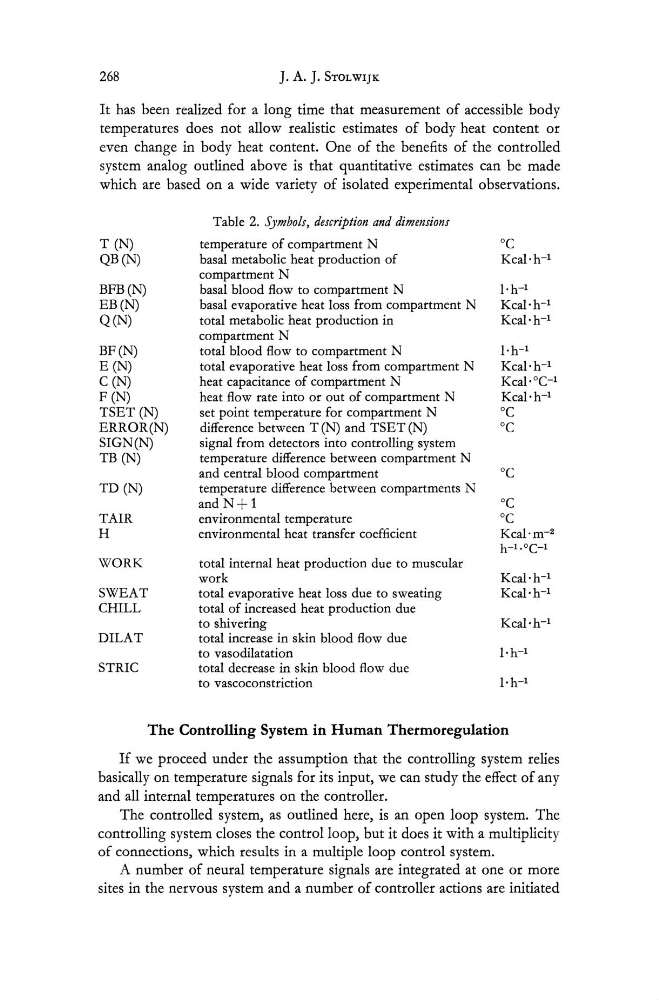
Table 2. Symbols, description and dimensions
T (N)
temperature of compartment N
°C
QB(N)
basal metabolic heat production of
Kcal·h-1
compartment N
BFB(N)
basal blood flow to compartment N
1· h- 1
EB(N)
basal evaporative heat loss from compartment N
Kcal·h- 1
Q(N)
total metabolic heat production in
Kcal·h- 1
compartment N
BF(N)
total blood flow to compartment N
1· h- 1
E (N)
total evaporative heat loss from compartment N
Kcal·h- 1
C (N)
heat capacitance of compartment N
Kcal·oC-l
F (N)
heat flow rate into or out of compartment N
Kcal·h- 1
TSET (N)
set point temperature for compartment N
°C
ERROR(N)
difference between T (N) and TSET (N)
°C
SIGN(N)
signal from detectors into controlling system
TB (N)
temperature difference between compartment N
and central blood compartment
°C
TD (N)
temperature difference between compartments N
and N+ 1
°C
TAIR
environmental temperature
°C
H
environmental heat transfer coefficient
Kcal'm- 2
h-1.°C-l
WORK
total internal heat production due to muscular
work
Kcal'h- 1
SWEAT
total evaporative heat loss due to sweating
Kcal·h- 1
CHILL
total of increased heat production due
to shivering
Kcal·h-1
DILAT
total increase in skin blood flow due
to vasodilatation
1· h-1
STRIC
total decrease in skin blood flow due
to vascoconstriction
1· h-1
The Controlling System in Human Thermoregulation
If we proceed under the assumption that the controlling system relies
basically on temperature signals for its input, we can study the effect of any
and all internal temperatures on the controller.
The controlled system, as outlined here, is an open loop system. The
controlling system closes the control loop, but it does it with a multiplicity
of connections, which results in a multiple loop control system.
A number of neural temperature signals are integrated at one or more
sites in the nervous system and a number of controller actions are initiated
]. A. J. STOLWIJK
It has been realized for a long time that measurement of accessible body
temperatures does not allow realistic estimates of body heat content or
even change in body heat content. One of the benefits of the controlled
system analog outlined above is that quantitative estimates can be made
which are based on a wide variety of isolated experimental observations.
Table 2. Symbols, description and dimensions
T (N)
temperature of compartment N
°C
QB(N)
basal metabolic heat production of
Kcal·h-1
compartment N
BFB(N)
basal blood flow to compartment N
1· h- 1
EB(N)
basal evaporative heat loss from compartment N
Kcal·h- 1
Q(N)
total metabolic heat production in
Kcal·h- 1
compartment N
BF(N)
total blood flow to compartment N
1· h- 1
E (N)
total evaporative heat loss from compartment N
Kcal·h- 1
C (N)
heat capacitance of compartment N
Kcal·oC-l
F (N)
heat flow rate into or out of compartment N
Kcal·h- 1
TSET (N)
set point temperature for compartment N
°C
ERROR(N)
difference between T (N) and TSET (N)
°C
SIGN(N)
signal from detectors into controlling system
TB (N)
temperature difference between compartment N
and central blood compartment
°C
TD (N)
temperature difference between compartments N
and N+ 1
°C
TAIR
environmental temperature
°C
H
environmental heat transfer coefficient
Kcal'm- 2
h-1.°C-l
WORK
total internal heat production due to muscular
work
Kcal'h- 1
SWEAT
total evaporative heat loss due to sweating
Kcal·h- 1
CHILL
total of increased heat production due
to shivering
Kcal·h-1
DILAT
total increase in skin blood flow due
to vasodilatation
1· h-1
STRIC
total decrease in skin blood flow due
to vascoconstriction
1· h-1
The Controlling System in Human Thermoregulation
If we proceed under the assumption that the controlling system relies
basically on temperature signals for its input, we can study the effect of any
and all internal temperatures on the controller.
The controlled system, as outlined here, is an open loop system. The
controlling system closes the control loop, but it does it with a multiplicity
of connections, which results in a multiple loop control system.
A number of neural temperature signals are integrated at one or more
sites in the nervous system and a number of controller actions are initiated