

316
K. Leyrer· C. Strohmenger . K. Rockenbauch . T. Bechstaedt
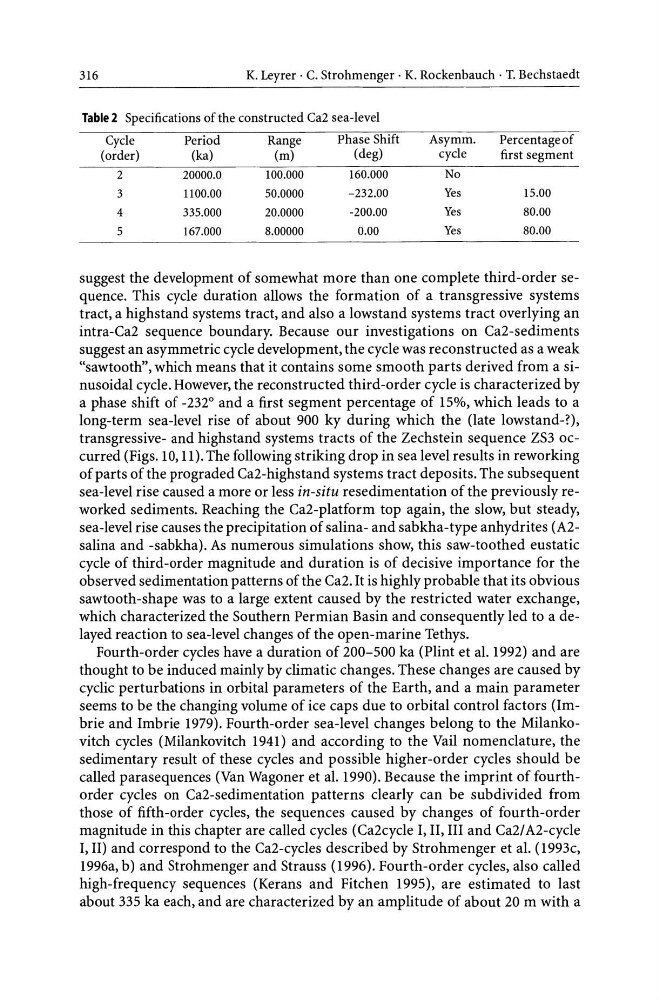
Table 2 Specifications of the constructed Ca2 sea-level
Cycle
Period
Range
Phase Shift
Asymm.
Percentage of
(order)
(ka)
(m)
(deg)
cycle
first segment
2
20000.0
100.000
160.000
No
3
1100.00
50.0000
-232.00
Yes
15.00
4
335.000
20.0000
-200.00
Yes
80.00
5
167.000
8.00000
0.00
Yes
80.00
suggest the development of somewhat more than one complete third-order sequence. This cycle duration allows the formation of a transgressive systems
tract, a highstand systems tract, and also a lowstand systems tract overlying an
intra-Ca2 sequence boundary. Because our investigations on Ca2-sediments
suggest an asymmetric cycle development, the cycle was reconstructed as a weak
"sawtooth", which means that it contains some smooth parts derived from a sinusoidal cycle. However, the reconstructed third-order cycle is characterized by
a phase shift of -232° and a first segment percentage of 15%, which leads to a
long-term sea-level rise of about 900 ky during which the (late lowstand-?),
transgressive- and highstand systems tracts of the Zechstein sequence ZS3 occurred (Figs. 10, 11). The following striking drop in sea level results in reworking
of parts of the prograded Ca2-highstand systems tract deposits. The subsequent
sea-level rise caused a more or less in-situ resedimentation of the previously reworked sediments. Reaching the Ca2-platform top again, the slow, but steady,
sea-level rise causes the precipitation of salina- and sabkha-type anhydrites (A2salina and -sabkha). As numerous simulations show, this saw-toothed eustatic
cycle of third-order magnitude and duration is of decisive importance for the
observed sedimentation patterns of the Ca2. It is highly probable that its obvious
sawtooth-shape was to a large extent caused by the restricted water exchange,
which characterized the Southern Permian Basin and consequently led to a delayed reaction to sea-level changes of the open-marine Tethys.
Fourth-order cycles have a duration of 200-500 ka (Plint et al. 1992) and are
thought to be induced mainly by climatic changes. These changes are caused by
cyclic perturbations in orbital parameters of the Earth, and a main parameter
seems to be the changing volume of ice caps due to orbital control factors (Imbrie and Imbrie 1979). Fourth-order sea-level changes belong to the Milankovitch cycles (Milankovitch 1941) and according to the Vail nomenclature, the
sedimentary result of these cycles and possible higher-order cycles should be
called parasequences (Van Wagoner et al. 1990). Because the imprint of fourthorder cycles on Ca2-sedimentation patterns clearly can be subdivided from
those of fifth-order cycles, the sequences caused by changes of fourth-order
magnitude in this chapter are called cycles (Ca2cycle I, II, III and Ca21 A2-cycle
I, II) and correspond to the Ca2-cycles described by Strohmenger et al. (1993c,
1996a, b) and Strohmenger and Strauss (1996). Fourth-order cycles, also called
high-frequency sequences (Kerans and Fitchen 1995), are estimated to last
about 335 ka each, and are characterized by an amplitude of about 20 m with a
K. Leyrer· C. Strohmenger . K. Rockenbauch . T. Bechstaedt
Table 2 Specifications of the constructed Ca2 sea-level
Cycle
Period
Range
Phase Shift
Asymm.
Percentage of
(order)
(ka)
(m)
(deg)
cycle
first segment
2
20000.0
100.000
160.000
No
3
1100.00
50.0000
-232.00
Yes
15.00
4
335.000
20.0000
-200.00
Yes
80.00
5
167.000
8.00000
0.00
Yes
80.00
suggest the development of somewhat more than one complete third-order sequence. This cycle duration allows the formation of a transgressive systems
tract, a highstand systems tract, and also a lowstand systems tract overlying an
intra-Ca2 sequence boundary. Because our investigations on Ca2-sediments
suggest an asymmetric cycle development, the cycle was reconstructed as a weak
"sawtooth", which means that it contains some smooth parts derived from a sinusoidal cycle. However, the reconstructed third-order cycle is characterized by
a phase shift of -232° and a first segment percentage of 15%, which leads to a
long-term sea-level rise of about 900 ky during which the (late lowstand-?),
transgressive- and highstand systems tracts of the Zechstein sequence ZS3 occurred (Figs. 10, 11). The following striking drop in sea level results in reworking
of parts of the prograded Ca2-highstand systems tract deposits. The subsequent
sea-level rise caused a more or less in-situ resedimentation of the previously reworked sediments. Reaching the Ca2-platform top again, the slow, but steady,
sea-level rise causes the precipitation of salina- and sabkha-type anhydrites (A2salina and -sabkha). As numerous simulations show, this saw-toothed eustatic
cycle of third-order magnitude and duration is of decisive importance for the
observed sedimentation patterns of the Ca2. It is highly probable that its obvious
sawtooth-shape was to a large extent caused by the restricted water exchange,
which characterized the Southern Permian Basin and consequently led to a delayed reaction to sea-level changes of the open-marine Tethys.
Fourth-order cycles have a duration of 200-500 ka (Plint et al. 1992) and are
thought to be induced mainly by climatic changes. These changes are caused by
cyclic perturbations in orbital parameters of the Earth, and a main parameter
seems to be the changing volume of ice caps due to orbital control factors (Imbrie and Imbrie 1979). Fourth-order sea-level changes belong to the Milankovitch cycles (Milankovitch 1941) and according to the Vail nomenclature, the
sedimentary result of these cycles and possible higher-order cycles should be
called parasequences (Van Wagoner et al. 1990). Because the imprint of fourthorder cycles on Ca2-sedimentation patterns clearly can be subdivided from
those of fifth-order cycles, the sequences caused by changes of fourth-order
magnitude in this chapter are called cycles (Ca2cycle I, II, III and Ca21 A2-cycle
I, II) and correspond to the Ca2-cycles described by Strohmenger et al. (1993c,
1996a, b) and Strohmenger and Strauss (1996). Fourth-order cycles, also called
high-frequency sequences (Kerans and Fitchen 1995), are estimated to last
about 335 ka each, and are characterized by an amplitude of about 20 m with a