

68
a
b
c
CLiMBING DUNES
Chapter 2 Continental Sediments
SURGE DEPOSITS
PARTIALLY FILLING
DEPRESSIONS AND
YALLEYS
SAND WAVES
<: SURGE
80MB SAG
1·5
m
'1Iil~(PROGRESSIVE)
~
LOW·ANGLE CROSS STRATIFICATION
t:=-:>::Z: ':> ' ;.,; ' . ..,c . =';: . ~q- WAVY , PARTIALLY DISCONTINUOUS
CLiMBING ANTIDUNES
(REGRESSIVE)
' . ' ,' :'.', . . ';.' "
-: '4 .. .o •• ~o
LAMINATION
~ .0°. ;0°';: :::: ., INDISTINCTLY LAYERED
'b! ~~~ ~ . ·. ·.'''::;':l LAPILLI
1
e
d
PELAGIC SEDIMENT
CONTAINING FINE·
GRAINED VOLC. ASH
(2)
ASH TURBIDITES
(WITH LAPILLI)
.., ' " ~ : :
I
.. : . .
•
0
. . .
. . .
" ..... 20 m
· . . ...
.... ' .~ .
1
Q ... CI "
· .
°.,0
( I . 0
?
(1 )
;
• .. CI"
. . ' SUBMARINE
·
o'
. ,. PYROCLASTIC FLOW
o Q Q
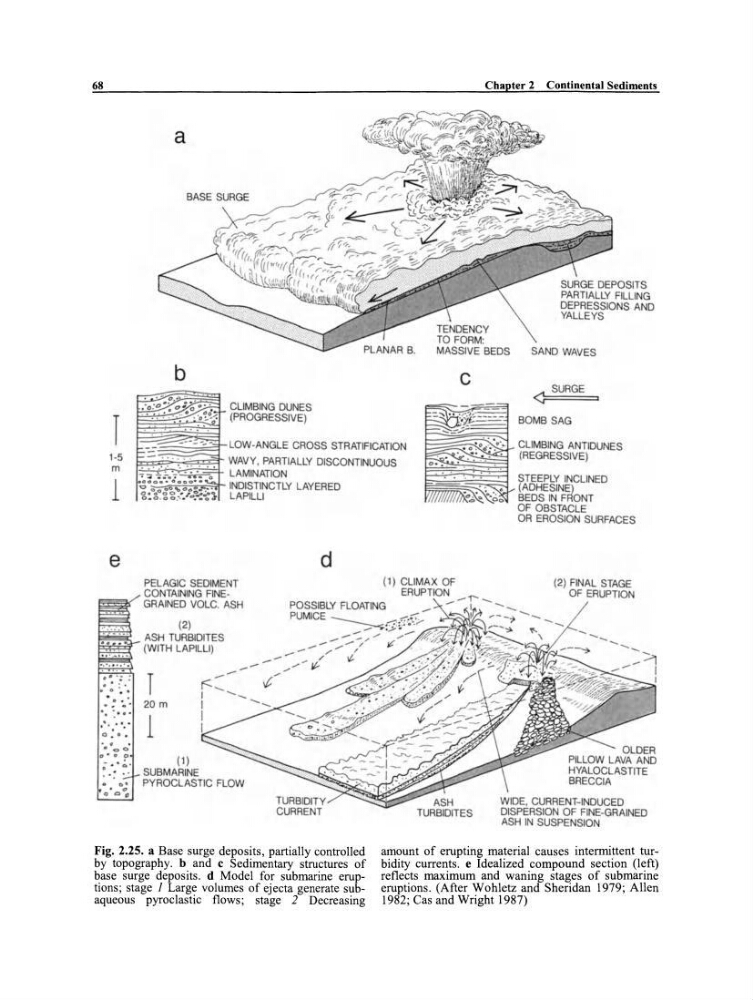
Fig. 2.25. a Base surge deposits, partially controlled
by topography. band c Sedimentary structures of
base surge deposits. d Model for submarine eruptions; stage 1 Large volumes of ejecta generate subaqueous pyroclastic flows; stage 2 Decreasing
STEEPLY INCLlNED
(ADHESINEI
BEDS IN FRONT
OF OBSTACLE
OR EROSION SURFACES
(2) FINAL STAGE
........... - - ...........
OLDER
PILLOW LAVA AND
HYALOCLASTITE
BRECCIA
WIDE, CURRENT-INDUCED
DISPERSION OF FINE-GRAINED
ASH IN SUSPENSION
amount of erupting material causes intermittent turbidity currents. e Idealized compound section (left)
reflects maximum and waning stages of submarine
eruptions. (After Wohletz and Sheridan 1979; Allen
1982; Cas and Wright 1987)
a
b
c
CLiMBING DUNES
Chapter 2 Continental Sediments
SURGE DEPOSITS
PARTIALLY FILLING
DEPRESSIONS AND
YALLEYS
SAND WAVES
<: SURGE
80MB SAG
1·5
m
'1Iil~(PROGRESSIVE)
~
LOW·ANGLE CROSS STRATIFICATION
t:=-:>::Z: ':> ' ;.,; ' . ..,c . =';: . ~q- WAVY , PARTIALLY DISCONTINUOUS
CLiMBING ANTIDUNES
(REGRESSIVE)
' . ' ,' :'.', . . ';.' "
-: '4 .. .o •• ~o
LAMINATION
~ .0°. ;0°';: :::: ., INDISTINCTLY LAYERED
'b! ~~~ ~ . ·. ·.'''::;':l LAPILLI
1
e
d
PELAGIC SEDIMENT
CONTAINING FINE·
GRAINED VOLC. ASH
(2)
ASH TURBIDITES
(WITH LAPILLI)
.., ' " ~ : :
I
.. : . .
•
0
. . .
. . .
" ..... 20 m
· . . ...
.... ' .~ .
1
Q ... CI "
· .
°.,0
( I . 0
?
(1 )
;
• .. CI"
. . ' SUBMARINE
·
o'
. ,. PYROCLASTIC FLOW
o Q Q
Fig. 2.25. a Base surge deposits, partially controlled
by topography. band c Sedimentary structures of
base surge deposits. d Model for submarine eruptions; stage 1 Large volumes of ejecta generate subaqueous pyroclastic flows; stage 2 Decreasing
STEEPLY INCLlNED
(ADHESINEI
BEDS IN FRONT
OF OBSTACLE
OR EROSION SURFACES
(2) FINAL STAGE
........... - - ...........
OLDER
PILLOW LAVA AND
HYALOCLASTITE
BRECCIA
WIDE, CURRENT-INDUCED
DISPERSION OF FINE-GRAINED
ASH IN SUSPENSION
amount of erupting material causes intermittent turbidity currents. e Idealized compound section (left)
reflects maximum and waning stages of submarine
eruptions. (After Wohletz and Sheridan 1979; Allen
1982; Cas and Wright 1987)