

12.8 Pull-Apart Basins
~AULT SEPARATION
,.. ...... ~
'L AZY ·S'·
~
SHAPED
BASIN
~RHOMBOIDAL~_ BASIN
.' .
.. " .
.... ~
OVERLAP OF
. / :.
nER FAULT S
;
;.'
~ LONG TROUGH
. : :
~ - NARROW, - ~
.. : .. '
OCEANIC CRUST
. : : . '
:PREADING RIDGE
o
o
c
d
DEPOSITION RATE 1 mIka
STRETCHING RATE 3 cm/a
J:
Ia..
w
4 0
2
TIME (Ma)
3
HORSETA1L
SPLAY
b
RELEAS1 NG
BEND
FOLDS
RESTRAINING
BEND
~-:-~\ ~~/~~~
AREAS OF
SUBSIDENCE
AND SEDIMENT
ACCUMUL ATION
8
2
NORMAL (N)
SEPARATION
e
..... HULU BASIN
• BOVEY B.
/ / / / / / / /
EN ECHELON
HANMER PLAIN & CARRINGTON B.
PETROCKSTOW B.
o
20
40
60
80
100
LENGTH OF PULL·APART BASIN (km)
631
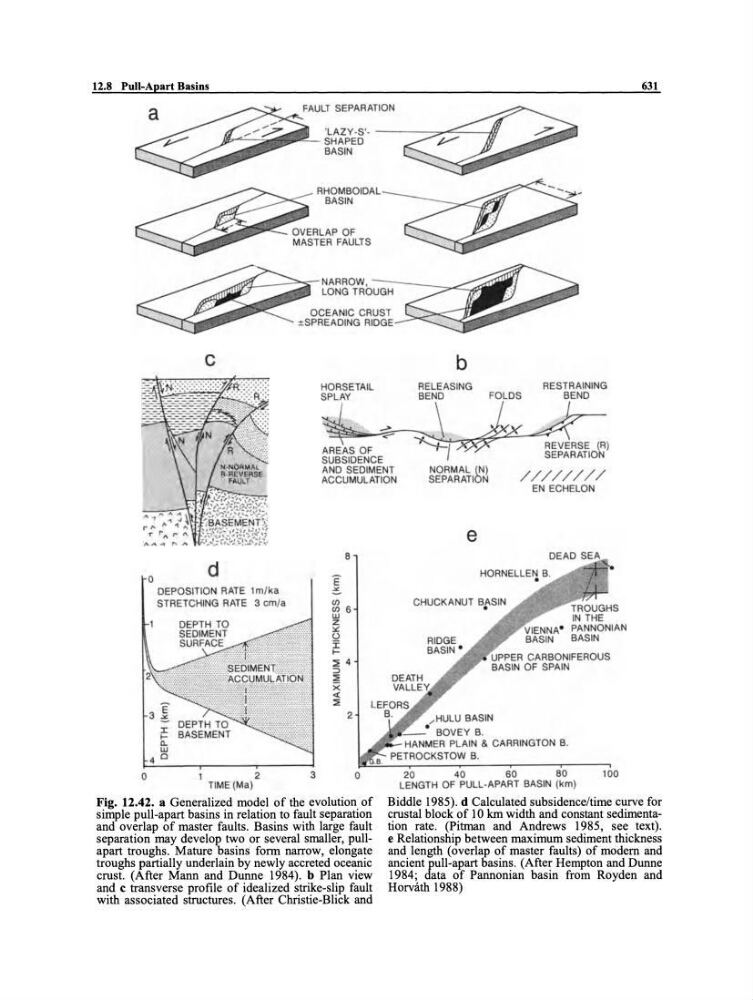
Fig. 12.42. a Generalized model of the evolution of
simple pull-apart basins in relation to fault separation
and overlap of master faults. Basins with large fault
separation rnay develop two or several srnaller, pullapart troughs. Mature basins fonn narrow, elongate
troughs partially underlain by newly accreted oceanic
crust. (After Mann and Dunne 1984). b Plan view
and c transverse profile of idealized strike-slip fault
with associated structures. (After Christie-Blick and
Bidd1e 1985). d Calculated subsidence/time curve for
crustal block of 10 km width and constant sedimentation rate. (Pitrnan and Andrews 1985, see text).
e Relationship between maximum sediment thickness
and length (overlap of master faults) of modem and
ancient pull-apart basins. (After Hempton and Dunne
1984; data of Pannonian basin from Royden and
Horvath 1988)