

520
a
OUTBUILDING
~ oE- ~
SEDIMENT
SUPPlY. 55
~
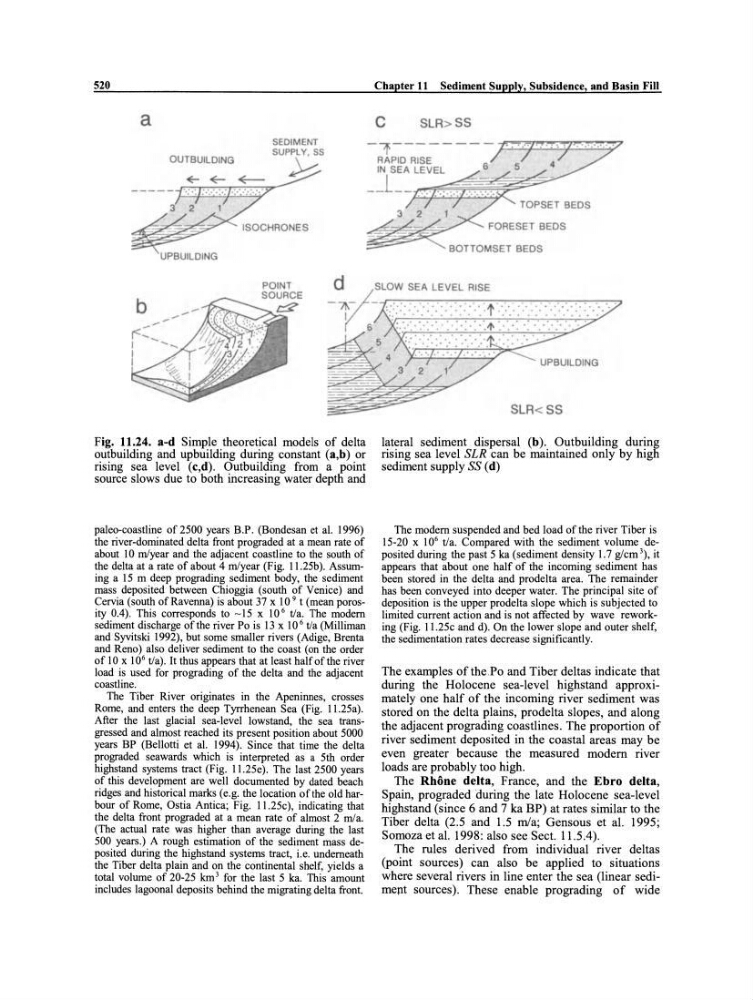
Fig. 11.24. a-d Simple theoretical models of delta
outbuilding and upbuilding during constant (a,b) or
rising sea level (c,d). Outbuilding from a point
source slows due to both increasing water depth and
paleo-coastline of 2500 years B.P. (Bondesan et al. 1996)
the river-dominated delta front prograded at a mean rate of
about 10 mlyear and the adjacent coastline to the south of
the delta at a rate of about 4 mlyear (Fig. 11.25b). Assuming a 15 m deep prograding sediment body, the sediment
mass deposited between Chioggia (south of Venice) and
Cervia (south of Ravenna) is about 37 x 10 9 t (mean porosity 0.4). This corresponds to -15 x 10 6 t1a. The modem
sediment discharge ofthe river Po is 13 X 10 6 t/a (Milliman
and Syvitski 1992), but some smaller rivers (Adige, Brenta
and Reno) also deliver sediment to the coast (on the order
of 10 x 10 6 t1a). It thus appears that at least half of the river
load is used for prograding of the delta and the adjacent
coastline.
The Tiber River originates in the Apeninnes, crosses
Rome, and enters the deep Tyrrhenean Sea (Fig. 11.25a).
After the last glacial sea-Ievel lowstand, the sea transgressed and almost reached its present position about 5000
years BP (Bel10tti et al. 1994). Since that time the delta
prograded seawards which is interpreted as a 5th order
highstand systems tract (Fig. 11.25e). The last 2500 years
of this development are weil documented by dated beach
ridges and historical marks (e.g. the location ofthe old harbour of Rome, Ostia Antica; Fig. 11.25c), indicating that
the delta front prograded at a mean rate of almost 2 mla.
(The actual rate was higher than average during the last
500 years.) A rough estimation of the sediment mass deposited during the highstand systems tract, i.e. undemeath
the Tiber delta plain and on the continental shelf, yields a
total volume of 20-25 km 3 for the last 5 ka. This amount
includes lagoonal deposits behind the migrating delta front.
Chapter 11 Sediment Supply, Subsidence, and Basin Fill
c SLR>SS
-t------- - ~~~==7
RAPID RISE
IN SEA LEVEL
__ L __ ~~~~~
TOPSET BEDS
FORESET SEDS
BOTTOMSET SEDS
UPSUILDING
SLR
rising sea level SLR can be maintained only by high
sediment supply SS (d)
The modem suspended and bed load ofthe river Tiber is
15-20 x 10 6 t1a. Compared with the sediment volume deposited during the past 5 ka (sediment density 1. 7 g/cm 3), it
appears that about one half of the incoming sediment has
been stored in the delta and prodelta area. The remainder
has been conveyed into deeper water. The principal site of
deposition is the upper prodelta slope which is subjected to
Iimited current action and is not affected by wave reworking (Fig. 11.25c and d). On the lower slope and outer shelf,
the sedimentation rates decrease significantly.
The examples of thePo and Tiber deltas indicate that
during the Holocene sea-Ievel highstand approximately one half of the incoming river sediment was
stored on the delta plains, prodelta slopes, and along
the adjacent prograding coastlines. The proportion of
river sediment deposited in the coastal areas may be
even greater because the measured modem river
loads are probably too high.
The RhOne delta, France, and the Ebro delta,
Spain, prograded during the late Holocene sea-Ievel
highstand (since 6 and 7 ka BP) at rates similar to the
Tiber delta (2.5 and 1.5 mla; Gensous et al. 1995;
Somoza et al. 1998: also see Sect. 11.5.4).
The rules derived from individual river deltas
(point sources ) can also be applied to situations
where several rivers in line enter the sea (linear sediment sourees). These enable prograding of wide
a
OUTBUILDING
~ oE- ~
SEDIMENT
SUPPlY. 55
~
Fig. 11.24. a-d Simple theoretical models of delta
outbuilding and upbuilding during constant (a,b) or
rising sea level (c,d). Outbuilding from a point
source slows due to both increasing water depth and
paleo-coastline of 2500 years B.P. (Bondesan et al. 1996)
the river-dominated delta front prograded at a mean rate of
about 10 mlyear and the adjacent coastline to the south of
the delta at a rate of about 4 mlyear (Fig. 11.25b). Assuming a 15 m deep prograding sediment body, the sediment
mass deposited between Chioggia (south of Venice) and
Cervia (south of Ravenna) is about 37 x 10 9 t (mean porosity 0.4). This corresponds to -15 x 10 6 t1a. The modem
sediment discharge ofthe river Po is 13 X 10 6 t/a (Milliman
and Syvitski 1992), but some smaller rivers (Adige, Brenta
and Reno) also deliver sediment to the coast (on the order
of 10 x 10 6 t1a). It thus appears that at least half of the river
load is used for prograding of the delta and the adjacent
coastline.
The Tiber River originates in the Apeninnes, crosses
Rome, and enters the deep Tyrrhenean Sea (Fig. 11.25a).
After the last glacial sea-Ievel lowstand, the sea transgressed and almost reached its present position about 5000
years BP (Bel10tti et al. 1994). Since that time the delta
prograded seawards which is interpreted as a 5th order
highstand systems tract (Fig. 11.25e). The last 2500 years
of this development are weil documented by dated beach
ridges and historical marks (e.g. the location ofthe old harbour of Rome, Ostia Antica; Fig. 11.25c), indicating that
the delta front prograded at a mean rate of almost 2 mla.
(The actual rate was higher than average during the last
500 years.) A rough estimation of the sediment mass deposited during the highstand systems tract, i.e. undemeath
the Tiber delta plain and on the continental shelf, yields a
total volume of 20-25 km 3 for the last 5 ka. This amount
includes lagoonal deposits behind the migrating delta front.
Chapter 11 Sediment Supply, Subsidence, and Basin Fill
c SLR>SS
-t------- - ~~~==7
RAPID RISE
IN SEA LEVEL
__ L __ ~~~~~
TOPSET BEDS
FORESET SEDS
BOTTOMSET SEDS
UPSUILDING
SLR
rising sea level SLR can be maintained only by high
sediment supply SS (d)
The modem suspended and bed load ofthe river Tiber is
15-20 x 10 6 t1a. Compared with the sediment volume deposited during the past 5 ka (sediment density 1. 7 g/cm 3), it
appears that about one half of the incoming sediment has
been stored in the delta and prodelta area. The remainder
has been conveyed into deeper water. The principal site of
deposition is the upper prodelta slope which is subjected to
Iimited current action and is not affected by wave reworking (Fig. 11.25c and d). On the lower slope and outer shelf,
the sedimentation rates decrease significantly.
The examples of thePo and Tiber deltas indicate that
during the Holocene sea-Ievel highstand approximately one half of the incoming river sediment was
stored on the delta plains, prodelta slopes, and along
the adjacent prograding coastlines. The proportion of
river sediment deposited in the coastal areas may be
even greater because the measured modem river
loads are probably too high.
The RhOne delta, France, and the Ebro delta,
Spain, prograded during the late Holocene sea-Ievel
highstand (since 6 and 7 ka BP) at rates similar to the
Tiber delta (2.5 and 1.5 mla; Gensous et al. 1995;
Somoza et al. 1998: also see Sect. 11.5.4).
The rules derived from individual river deltas
(point sources ) can also be applied to situations
where several rivers in line enter the sea (linear sediment sourees). These enable prograding of wide