

518
a
b
Chapter 11 Sediment Supply, Subsidence, and Basin Fill
SHALLOW LAKES
(LOW ENERGYI
SEDIMENT DEPOSITED
PER TIME UNIT
DELTA PROGRADING
DEPOSITION
EPICONTINT AL SHALLOW SEA
RIVER
GRADIENT
± MINOR DELTA
(iNTERMEDIATE TO HIGH ENERGYI
PROGRADING
---------------------------------r
--~ :=-.::;.
~---::;..;..:.::-- ± EQUILIBRIUM PROFILE
- -
CONTROLLED BY WAVES
- , '.
;;.::..::': - -DIFFERENTIAL
AND CURRENTS
,
SUBSIDENCE
\' --- - - - -' ,
.. --~
BYPASSIN~_ ~- - - -
I
. ~
. :i"
C SHELF - DEEP SEA
(HIGH ENERGY)
± DELTA PROGRADING
------- ----------------------7~--~---~~~~:::~=:~1]t;~::~~ O I S T R I B ~ I O N
DEEP-SEA FAN,
PROGRADING SLOPE
\ _ - - -:
=:r:~~.::. : ;;@fi!i.L . . ~ . . :. ~.~. ~~. ~~ 1 <:=J
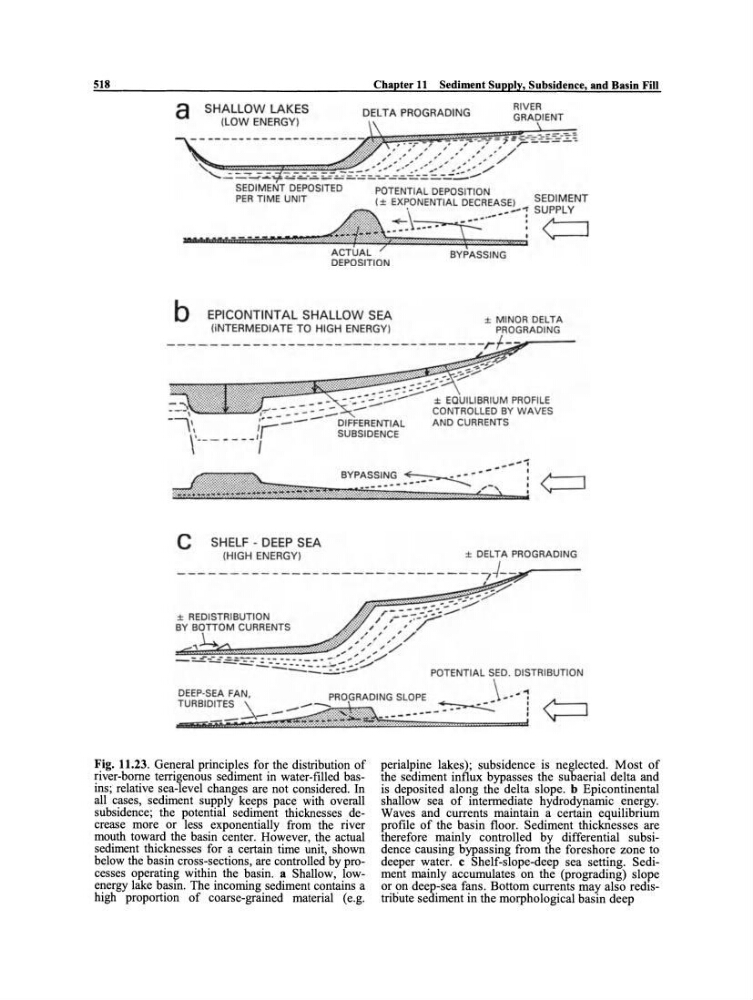
Fig. 11.23. General principles for the distribution of
river-bome terrigenous sediment in water-filled basins; relative sea-Ievel changes are not considered. In
all cases, sediment supply keeps pace with overall
subsidence; the potential sediment thicknesses decrease more or less exponentially from the river
mouth toward the basin center. However, the actual
sediment thicknesses for a certain time unit, shown
below the basin cross-sections, are controlled by processes operating within the basin. a Shallow, lowenergy lake basin. The incorning sediment contains a
high proportion of coarse-grained material (e.g.
perialpine lakes); subsidence is neglected. Most of
the sediment influx bypasses the subaerial delta and
is deposited along the delta slope. b Epicontinental
shallow sea of intermediate hydrodynarnie energy.
Waves and currents maintain a certain equilibrium
profile of the basin floor. Sediment thicknesses are
therefore mainly controlled by differential subsidence causing bypassing from the foreshore zone to
deeper water. c Shelf-slope-deep sea setting. Sediment rnainly accumulates on the (prograding) slope
or on deep-sea fans. Bottom currents mayaiso redistribute sediment in the morphological basin deep
a
b
Chapter 11 Sediment Supply, Subsidence, and Basin Fill
SHALLOW LAKES
(LOW ENERGYI
SEDIMENT DEPOSITED
PER TIME UNIT
DELTA PROGRADING
DEPOSITION
EPICONTINT AL SHALLOW SEA
RIVER
GRADIENT
± MINOR DELTA
(iNTERMEDIATE TO HIGH ENERGYI
PROGRADING
---------------------------------r
--~ :=-.::;.
~---::;..;..:.::-- ± EQUILIBRIUM PROFILE
- -
CONTROLLED BY WAVES
- , '.
;;.::..::': - -DIFFERENTIAL
AND CURRENTS
,
SUBSIDENCE
\' --- - - - -' ,
.. --~
BYPASSIN~_ ~- - - -
I
. ~
. :i"
C SHELF - DEEP SEA
(HIGH ENERGY)
± DELTA PROGRADING
------- ----------------------7~--~---~~~~:::~=:~1]t;~::~~ O I S T R I B ~ I O N
DEEP-SEA FAN,
PROGRADING SLOPE
\ _ - - -:
=:r:~~.::. : ;;@fi!i.L . . ~ . . :. ~.~. ~~. ~~ 1 <:=J
Fig. 11.23. General principles for the distribution of
river-bome terrigenous sediment in water-filled basins; relative sea-Ievel changes are not considered. In
all cases, sediment supply keeps pace with overall
subsidence; the potential sediment thicknesses decrease more or less exponentially from the river
mouth toward the basin center. However, the actual
sediment thicknesses for a certain time unit, shown
below the basin cross-sections, are controlled by processes operating within the basin. a Shallow, lowenergy lake basin. The incorning sediment contains a
high proportion of coarse-grained material (e.g.
perialpine lakes); subsidence is neglected. Most of
the sediment influx bypasses the subaerial delta and
is deposited along the delta slope. b Epicontinental
shallow sea of intermediate hydrodynarnie energy.
Waves and currents maintain a certain equilibrium
profile of the basin floor. Sediment thicknesses are
therefore mainly controlled by differential subsidence causing bypassing from the foreshore zone to
deeper water. c Shelf-slope-deep sea setting. Sediment rnainly accumulates on the (prograding) slope
or on deep-sea fans. Bottom currents mayaiso redistribute sediment in the morphological basin deep