

470
SUN LIGHT
PRODUCTIVITY
VERTICAL CARBON FLUX
Chapter 10 Sedimentation Rates and Organic Matter
0~~~~~~~~~~~~~n7r.n7.0~--~
100
m
::c
Ia..
w
Q
EXPORT PROD.
(PLANKTON,
FISH, ETC.)
(UPT AKE OF CO 2
AND NUTRIENTS)
DEAD
ORGANISMS
FECAL
PELLETS,
AGGREGATES,
HC.
'- ~
~ MINERALIZATION OF
~
~
ORGANIC MATTER,
RELEASE OF CO 2
AND NUTRIENTS
BENTHIC BOUNDARY
lf\~ EPIBENTHOS
several
cm
•••• . ......... "j • )~. • •
(BURROWING ORG.,
\-' _':-' .';;:''.:;J<::!.':;,::.';':: •• . : INFAUNA FUNGI, ETC.)
: .: : SEDIP.1E~': . : ' : : ...
AEROBIC
BACTERIA
• . . . •. . . . . . .
ANAEROBIC
to dm
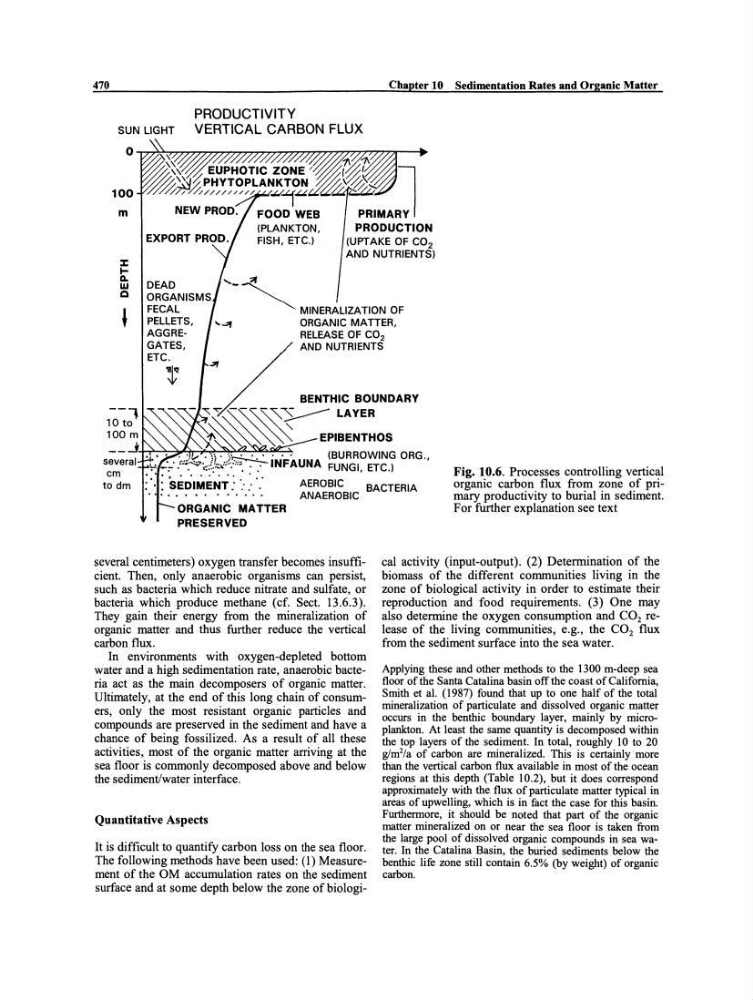
Fig. 10.6. Processes controlling vertical
organic carbon flux from zone of primary productivity to burial in sediment.
For further explanation see text
ORGANIC MATTER
PRESERVED
several centimeters) oxygen transfer becomes insufficient. Then, only anaerobic organisms can persist,
such as bacteria which reduce nitrate and sulfate, or
bacteria which produce methane (cf. Sect. 13.6.3).
They gain their energy from the rnineralization of
organie matter and thus further reduce the vertical
carbon flux.
In environments with oxygen-depleted bottom
water and a high sedimentation rate, anaerobic bacteria act as the main decomposers of organic matter.
Ultimately, at the end of this long chain of consumers, only the most resistant organic particles and
compounds are preserved in the sediment and have a
chance of being fossilized. As a result of all these
activities, most of the organic matter arriving at the
sea floor is commonly decomposed above and below
the sediment/water interface.
Quantitative Aspects
It is difficult to quantify carbon loss on the sea floor.
The following methods have been used: (1) Measurement of the OM accumulation rates on the sediment
surface and at some depth below the zone of biological activity (input-output). (2) Determination of the
biomass of the different communities living in the
zone of biological activity in order to estimate their
reproduction and food requirements. (3) One may
also determine the oxygen consumption and CO2 release of the living communities, e.g., the CO 2 flux
from the sediment surface into the sea water.
Applying these and other methods to the 1300 m-deep sea
floor of the Santa Catalina basin off the coast of Califomia,
Srnith et al. (1987) found that up to one half of the total
mineralization of particulate and dissolved organic matter
occurs in the benthic boundary layer, mainly by microplankton. At least the same quantity is decomposed within
the top layers of the sediment. In total, roughly 10 to 20
g/m 2 /a of carbon are mineralized. This is certainly more
than the vertical carbon flux available in most of the ocean
regions at this depth (Table 10.2), but it does correspond
approximately with the flux of particulate matter typical in
areas of upwelling, which is in fact the case for this basin.
Furthermore, it should be noted that part of the organic
matter mineralized on or near the sea floor is taken from
the large pool of dissolved organic compounds in sea water. In the Catalina Basin, the buried sediments below the
benthic life zone still contain 6.5% (by weight) of organie
carbon.
SUN LIGHT
PRODUCTIVITY
VERTICAL CARBON FLUX
Chapter 10 Sedimentation Rates and Organic Matter
0~~~~~~~~~~~~~n7r.n7.0~--~
100
m
::c
Ia..
w
Q
EXPORT PROD.
(PLANKTON,
FISH, ETC.)
(UPT AKE OF CO 2
AND NUTRIENTS)
DEAD
ORGANISMS
FECAL
PELLETS,
AGGREGATES,
HC.
'- ~
~ MINERALIZATION OF
~
~
ORGANIC MATTER,
RELEASE OF CO 2
AND NUTRIENTS
BENTHIC BOUNDARY
lf\~ EPIBENTHOS
several
cm
•••• . ......... "j • )~. • •
(BURROWING ORG.,
\-' _':-' .';;:''.:;J<::!.':;,::.';':: •• . : INFAUNA FUNGI, ETC.)
: .: : SEDIP.1E~': . : ' : : ...
AEROBIC
BACTERIA
• . . . •. . . . . . .
ANAEROBIC
to dm
Fig. 10.6. Processes controlling vertical
organic carbon flux from zone of primary productivity to burial in sediment.
For further explanation see text
ORGANIC MATTER
PRESERVED
several centimeters) oxygen transfer becomes insufficient. Then, only anaerobic organisms can persist,
such as bacteria which reduce nitrate and sulfate, or
bacteria which produce methane (cf. Sect. 13.6.3).
They gain their energy from the rnineralization of
organie matter and thus further reduce the vertical
carbon flux.
In environments with oxygen-depleted bottom
water and a high sedimentation rate, anaerobic bacteria act as the main decomposers of organic matter.
Ultimately, at the end of this long chain of consumers, only the most resistant organic particles and
compounds are preserved in the sediment and have a
chance of being fossilized. As a result of all these
activities, most of the organic matter arriving at the
sea floor is commonly decomposed above and below
the sediment/water interface.
Quantitative Aspects
It is difficult to quantify carbon loss on the sea floor.
The following methods have been used: (1) Measurement of the OM accumulation rates on the sediment
surface and at some depth below the zone of biological activity (input-output). (2) Determination of the
biomass of the different communities living in the
zone of biological activity in order to estimate their
reproduction and food requirements. (3) One may
also determine the oxygen consumption and CO2 release of the living communities, e.g., the CO 2 flux
from the sediment surface into the sea water.
Applying these and other methods to the 1300 m-deep sea
floor of the Santa Catalina basin off the coast of Califomia,
Srnith et al. (1987) found that up to one half of the total
mineralization of particulate and dissolved organic matter
occurs in the benthic boundary layer, mainly by microplankton. At least the same quantity is decomposed within
the top layers of the sediment. In total, roughly 10 to 20
g/m 2 /a of carbon are mineralized. This is certainly more
than the vertical carbon flux available in most of the ocean
regions at this depth (Table 10.2), but it does correspond
approximately with the flux of particulate matter typical in
areas of upwelling, which is in fact the case for this basin.
Furthermore, it should be noted that part of the organic
matter mineralized on or near the sea floor is taken from
the large pool of dissolved organic compounds in sea water. In the Catalina Basin, the buried sediments below the
benthic life zone still contain 6.5% (by weight) of organie
carbon.