

380
Chapter 7 Sequences, Minor Cycles, and Event Stratigraphy
"SEQUENCING TOOLS
EVENT
"TIME TOOLS"
(ALLOCYCLIC AND AUTOCYCLIC MECHANISMS)
STRA TlG RAPHY
SEQUENCE
STRATIGRAPHY
CYCLO -
CONTIMARINE
STRA TIGRAPHY
NENTAL SHALLOW DEEP
..: 10
C'>
'+=i
111
...
.... (J) IV
0
u
.c c:
,-::: IV
:::::I
vi
0'
IV
(J)
(J)
IV
-r--l I Milank.
I
band
I
(c . 20,
40,100,
HST
400 ka
I
I
$Bundle s
I
-
mfsi- - ~100,
I
_ 'L..
TST
20 Ka
I
± "Floating "
-1- time scale
~
Minor
fluvia l
cycles
I
I
Lake or
playa
Unconform. i
...
c:
IV
,:,t,
"0
U
...
:c 0
I
I
I
~:~~si . , . - - - - - , " " " " " ' " " '
~
"0
...
LST
)
J
Submarine
erosion
M
I
~ ~ aps
ra- I
Beach ,
foreshore
I
_l_
sequ.
fI
- -
_'l._ _ _
Fluvial
Soil
A+
Groups ,
formations
Downhole
± Hiatus measurements,
element ratios, etc.
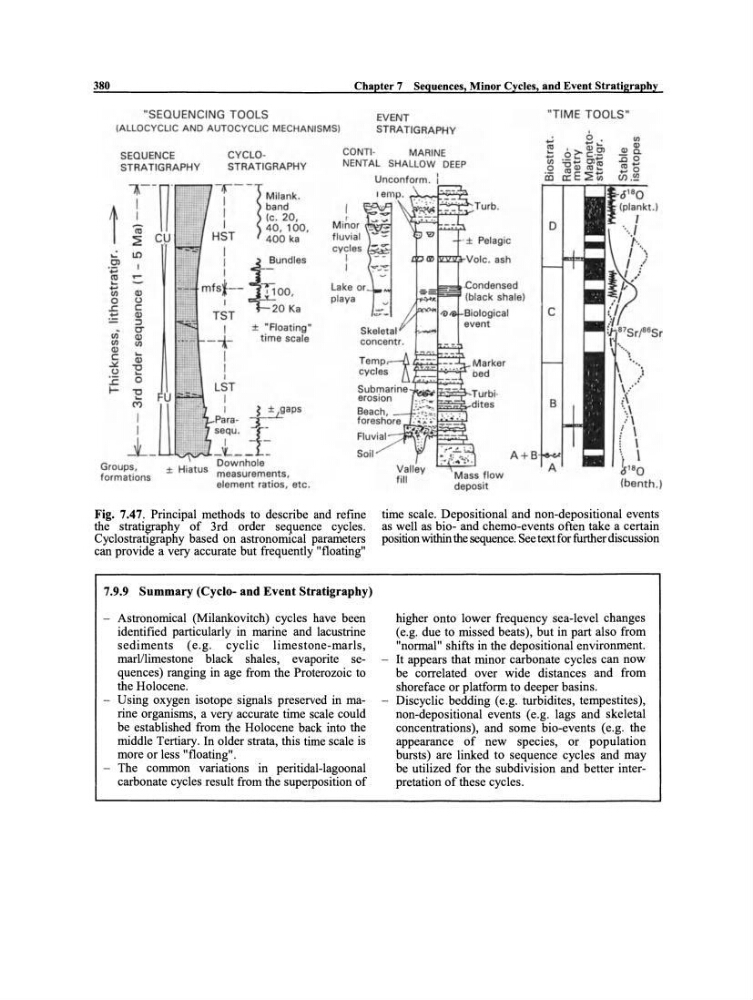
Fig. 7.47. Principal methods to describe and re fine
the stratigraphy of 3rd order sequence cycles.
Cyclostratigraphy based on astronomical parameters
can provide a very accurate but frequently "floating"
7_9.9 Summary (Cyclo- and Event Stratigraphy)
- Astronomical (Milankovitch) cycles have been
identified particularly in marine and lacustrine
sediments (e.g. cyclic limestone-marls,
marl/limestone black shales, evaporite sequences) ranging in age from the Proterozoic to
the Holocene.
Using oxygen isotope signals preserved in marine organisrns, a very accurate time scale could
be established from the Holocene back into the
middle Tertiary. In older strata, this time scale is
more or less "floating".
- The common variations in peritidal-Iagoonal
carbonate cycles result from the superposition of
Mass f low
deposit
time scale. Depositional and non-depositional events
as weIl as bio- and chemo-events often take a certain
position within the sequence. See text for further discussion
higher onto lower frequency sea-Ievel changes
(e.g. due to missed beats), but in part also from
"normal" shifts in the depositional environment.
It appears that minor carbonate cycles can now
be correlated over wide distances and from
shoreface or platform to deeper basins.
Discyclic bedding (e.g. turbidites, tempestites),
non-depositional events (e.g. lags and skeletal
concentrations), and some bio-events (e.g. the
appearance of new species, or population
bursts) are linked to sequence cycles and may
be utilized for the subdivision and better interpretation of these cycles.
Chapter 7 Sequences, Minor Cycles, and Event Stratigraphy
"SEQUENCING TOOLS
EVENT
"TIME TOOLS"
(ALLOCYCLIC AND AUTOCYCLIC MECHANISMS)
STRA TlG RAPHY
SEQUENCE
STRATIGRAPHY
CYCLO -
CONTIMARINE
STRA TIGRAPHY
NENTAL SHALLOW DEEP
..: 10
C'>
'+=i
111
...
.... (J) IV
0
u
.c c:
,-::: IV
:::::I
vi
0'
IV
(J)
(J)
IV
-r--l I Milank.
I
band
I
(c . 20,
40,100,
HST
400 ka
I
I
$Bundle s
I
-
mfsi- - ~100,
I
_ 'L..
TST
20 Ka
I
± "Floating "
-1- time scale
~
Minor
fluvia l
cycles
I
I
Lake or
playa
Unconform. i
...
c:
IV
,:,t,
"0
U
...
:c 0
I
I
I
~:~~si . , . - - - - - , " " " " " ' " " '
~
"0
...
LST
)
J
Submarine
erosion
M
I
~ ~ aps
ra- I
Beach ,
foreshore
I
_l_
sequ.
fI
- -
_'l._ _ _
Fluvial
Soil
A+
Groups ,
formations
Downhole
± Hiatus measurements,
element ratios, etc.
Fig. 7.47. Principal methods to describe and re fine
the stratigraphy of 3rd order sequence cycles.
Cyclostratigraphy based on astronomical parameters
can provide a very accurate but frequently "floating"
7_9.9 Summary (Cyclo- and Event Stratigraphy)
- Astronomical (Milankovitch) cycles have been
identified particularly in marine and lacustrine
sediments (e.g. cyclic limestone-marls,
marl/limestone black shales, evaporite sequences) ranging in age from the Proterozoic to
the Holocene.
Using oxygen isotope signals preserved in marine organisrns, a very accurate time scale could
be established from the Holocene back into the
middle Tertiary. In older strata, this time scale is
more or less "floating".
- The common variations in peritidal-Iagoonal
carbonate cycles result from the superposition of
Mass f low
deposit
time scale. Depositional and non-depositional events
as weIl as bio- and chemo-events often take a certain
position within the sequence. See text for further discussion
higher onto lower frequency sea-Ievel changes
(e.g. due to missed beats), but in part also from
"normal" shifts in the depositional environment.
It appears that minor carbonate cycles can now
be correlated over wide distances and from
shoreface or platform to deeper basins.
Discyclic bedding (e.g. turbidites, tempestites),
non-depositional events (e.g. lags and skeletal
concentrations), and some bio-events (e.g. the
appearance of new species, or population
bursts) are linked to sequence cycles and may
be utilized for the subdivision and better interpretation of these cycles.