

7.1 General Characteristics of Cyclic Sediments
295
VARVE-SCALE
LAMINATIONS
BED-SCALE
RHYTHMS AND
OYCLES
NORMAL FIELD-SCALE
SEDIMENTARY CYCLES
(4th and 3rd order sequ.)
MACRO-SCALE
CYCLIC SEQUENCES
(2nd and 1 st order)
PAflASEQUENCES
MILANKOVITCH
"
RHYTHMS AND BUNDLES
PARALIC COAL
SUPERCYCLE
PLEISTOCENE MARINE
CYCLOTHEMS
NON·ANNUAL
LAMINATONS
(SMALL EVENTS)
T
T
10a
.1
ANNUAL
VARVES
(E. G./SALTS,
CARBONATES)
CYCLES
LAKE
! 1
DEPOSITS ~~.
CHEMICAL. ;...,:.".' .
BIOGENIC _ -
1- 50 m
CLASTICS "7:::' 1
SHALLOW AND
DEEP-MARINE
TRANSGRESSION·
REGRESSION
CYCLES (PRE·
PLEISTOCENE)
several
100 m
__ 1
several 100
to s~fal
1,000m
SUPER- AND MEGACYCLES MAY BE CAUSED
BY REGIONAL tEGTONICS
IN HAND SPECIMENS
BEDDING PHENOMENA
IN SETS OF LARGE
FIELD EXPOSURES.
LOGS OF DEEP WELLS
AND UNDER THE
NORMAL FIELD EXPOSURES
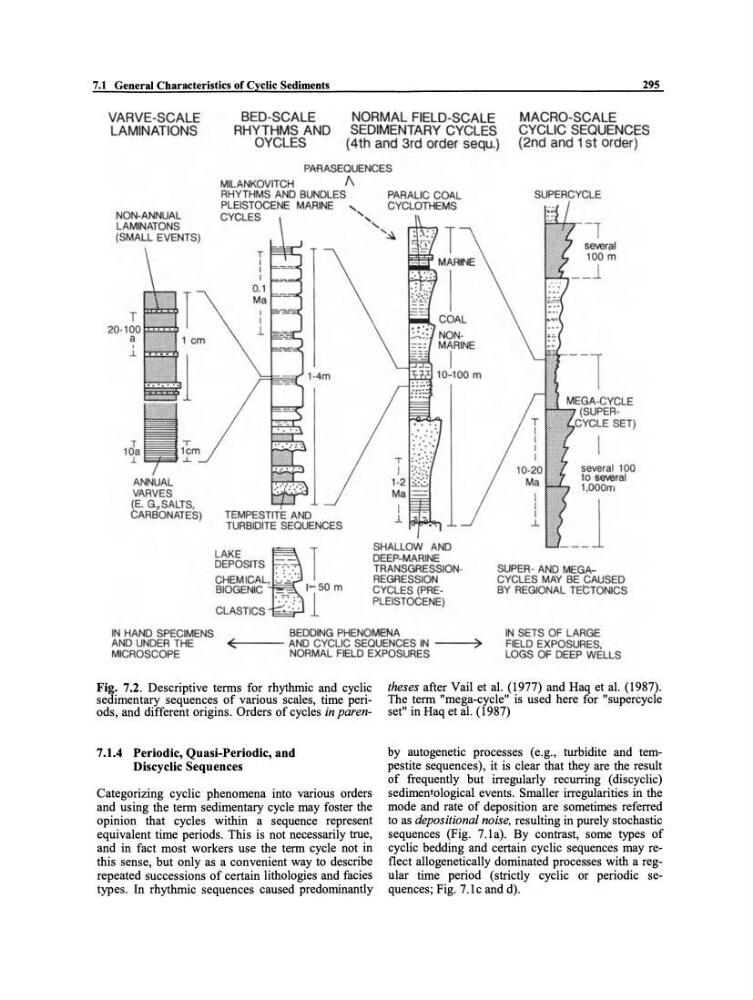
Fig. 7.2. Descriptive terms for rhythmic and cycJic
sedimentary sequences of various scales, time periods, and different origins. Orders of cycJes in paren7.1.4 Periodic, Quasi-Periodic, and
Discyclic Sequences
Categorizing cycJic phenomena into various orders
and using the term sedimentary cycJe may foster the
opinion that cycJes within a sequence represent
equivalent time periods. This is not necessarily true,
and in fact most workers use the term cycJe not in
this sense, but only as a convenient way to describe
repeated successions of certain lithologies and facies
types. In rhythmic sequences caused predominantly
theses after Vail et al. (1977) and Haq et al. (1987).
The term "mega-cycJe" is used here for "supercycJe
set" in Haq et al. (1987)
by autogenetic processes (e.g., turbidite and tempestite sequences), it is cJear that they are the result
of frequently but irregularly recurring (discycJic)
sedimentological events. Smaller irregularities in the
mode and rate of deposition are sometimes referred
to as depositional noise, resulting in purely stochastic
sequences (Fig. 7.la). By contrast, some types of
cyclic bedding and certain cycJic sequences may refleet allogenetically dominated processes with a regular time period (strictly cycJic or periodic sequences; Fig. 7.lc and d).
295
VARVE-SCALE
LAMINATIONS
BED-SCALE
RHYTHMS AND
OYCLES
NORMAL FIELD-SCALE
SEDIMENTARY CYCLES
(4th and 3rd order sequ.)
MACRO-SCALE
CYCLIC SEQUENCES
(2nd and 1 st order)
PAflASEQUENCES
MILANKOVITCH
"
RHYTHMS AND BUNDLES
PARALIC COAL
SUPERCYCLE
PLEISTOCENE MARINE
CYCLOTHEMS
NON·ANNUAL
LAMINATONS
(SMALL EVENTS)
T
T
10a
.1
ANNUAL
VARVES
(E. G./SALTS,
CARBONATES)
CYCLES
LAKE
! 1
DEPOSITS ~~.
CHEMICAL. ;...,:.".' .
BIOGENIC _ -
1- 50 m
CLASTICS "7:::' 1
SHALLOW AND
DEEP-MARINE
TRANSGRESSION·
REGRESSION
CYCLES (PRE·
PLEISTOCENE)
several
100 m
__ 1
several 100
to s~fal
1,000m
SUPER- AND MEGACYCLES MAY BE CAUSED
BY REGIONAL tEGTONICS
IN HAND SPECIMENS
BEDDING PHENOMENA
IN SETS OF LARGE
FIELD EXPOSURES.
LOGS OF DEEP WELLS
AND UNDER THE
NORMAL FIELD EXPOSURES
Fig. 7.2. Descriptive terms for rhythmic and cycJic
sedimentary sequences of various scales, time periods, and different origins. Orders of cycJes in paren7.1.4 Periodic, Quasi-Periodic, and
Discyclic Sequences
Categorizing cycJic phenomena into various orders
and using the term sedimentary cycJe may foster the
opinion that cycJes within a sequence represent
equivalent time periods. This is not necessarily true,
and in fact most workers use the term cycJe not in
this sense, but only as a convenient way to describe
repeated successions of certain lithologies and facies
types. In rhythmic sequences caused predominantly
theses after Vail et al. (1977) and Haq et al. (1987).
The term "mega-cycJe" is used here for "supercycJe
set" in Haq et al. (1987)
by autogenetic processes (e.g., turbidite and tempestite sequences), it is cJear that they are the result
of frequently but irregularly recurring (discycJic)
sedimentological events. Smaller irregularities in the
mode and rate of deposition are sometimes referred
to as depositional noise, resulting in purely stochastic
sequences (Fig. 7.la). By contrast, some types of
cyclic bedding and certain cycJic sequences may refleet allogenetically dominated processes with a regular time period (strictly cycJic or periodic sequences; Fig. 7.lc and d).