

262
SAL T BASIN MODELS
a
SYNSEDIMENTARY
SUBSIDENCE
b
DEEP BASIN,
DEEP WATER
c
MORE
lIMITED
WATER
EXCHANGE
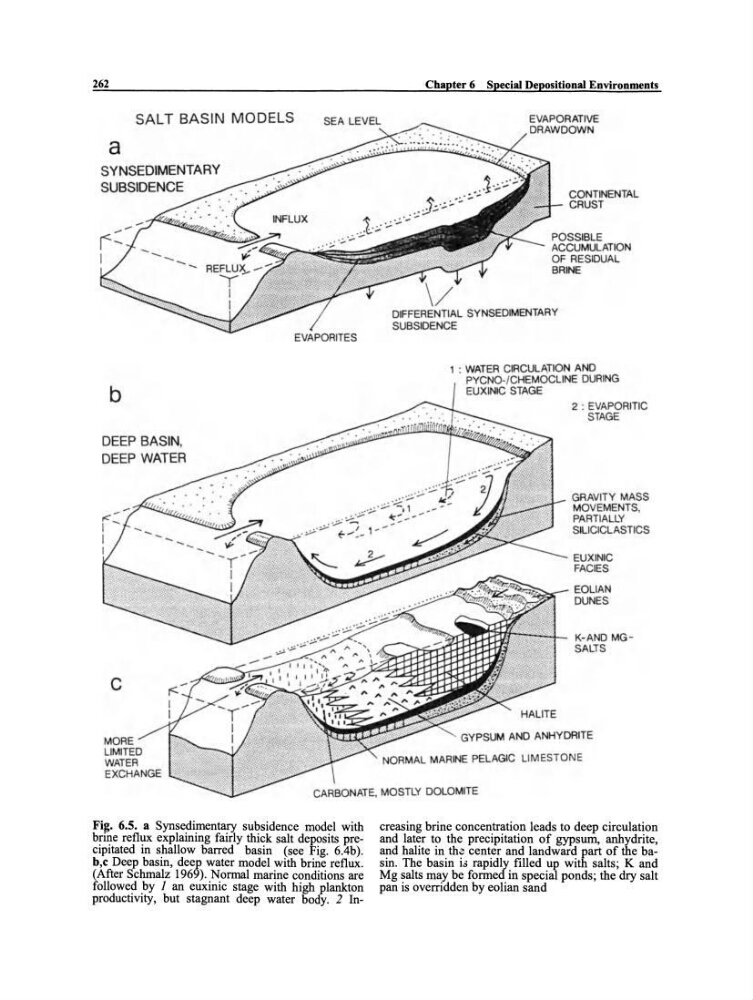
Fig. 6.5. a Synsedimentary subsidence model with
bnne reflux explaining fairly thick salt deposits precipitated in shallow barred basin (see Fig. 6.4b).
b,c Deep basin, deep water model with brine reflux.
(After Schmalz 1969). Normal marine conditions are
followed by 1 an euxinic stage with high plankton
productivity, but stagnant deep water body. 2 InChapter 6 Special Depositional Environments
EVAPORATIVE
DRAWDOWN
CONTINENTAL
CRUST
POSSIBLE
ACCUMULATION
OF RESIDUAL
BRINE
DIFFERENTIAL SYNSEDIMENTARY
SUBSIDENCE
1 : WATER CIRCULAJ'ION AND
PYCNO- / CHEMOCL\NE DURING
EUXINIC STAGE
2 : EVAPORITIC
STAGE
GRAVITY MASS
MOVEMENTS.
PARTIALLY
SlliCICLASTICS
EUXINIC
FACIES
EOLIAN
DUNES
K-AND MG -
SALTS
GYPSUM AND ANHYDRITE
NORMAL MARINE PELAGIC lIMESTONE
creasing brine concentration leads to deep circulation
and later to the precipitation of gypsum, anhydrite,
and halite in th~ center and landward part of the basin. The basin i.> rapidly filled up with salts; K and
Mg salts may be formed in special ponds; the dry salt
pan is overridden by eolian sand
SAL T BASIN MODELS
a
SYNSEDIMENTARY
SUBSIDENCE
b
DEEP BASIN,
DEEP WATER
c
MORE
lIMITED
WATER
EXCHANGE
Fig. 6.5. a Synsedimentary subsidence model with
bnne reflux explaining fairly thick salt deposits precipitated in shallow barred basin (see Fig. 6.4b).
b,c Deep basin, deep water model with brine reflux.
(After Schmalz 1969). Normal marine conditions are
followed by 1 an euxinic stage with high plankton
productivity, but stagnant deep water body. 2 InChapter 6 Special Depositional Environments
EVAPORATIVE
DRAWDOWN
CONTINENTAL
CRUST
POSSIBLE
ACCUMULATION
OF RESIDUAL
BRINE
DIFFERENTIAL SYNSEDIMENTARY
SUBSIDENCE
1 : WATER CIRCULAJ'ION AND
PYCNO- / CHEMOCL\NE DURING
EUXINIC STAGE
2 : EVAPORITIC
STAGE
GRAVITY MASS
MOVEMENTS.
PARTIALLY
SlliCICLASTICS
EUXINIC
FACIES
EOLIAN
DUNES
K-AND MG -
SALTS
GYPSUM AND ANHYDRITE
NORMAL MARINE PELAGIC lIMESTONE
creasing brine concentration leads to deep circulation
and later to the precipitation of gypsum, anhydrite,
and halite in th~ center and landward part of the basin. The basin i.> rapidly filled up with salts; K and
Mg salts may be formed in special ponds; the dry salt
pan is overridden by eolian sand