

6.2 Oolitic Ironstones
253
a
REWORKING
AND REDEPOSITION
DURING
REGRESSION
POSSIBLY SO ME
GROUNDWATER
DISCHARGE
WITH Fe++
MUDFLATS.
MICRO-CON·
CRETIONS OF
Fe·CHLORITE
(CHA MOSITE)
DEEPLY WEATHERED SOlLS OF
TROPICAL TO SUBTROPICAL CLiMATE
IRON OOLITES
POSSIBLY INPUT
OF SOlL IRON
~::::-:...-:::--...:::;::=- 0010 S
DELTAIC MUD WITH
SOME PYRITE AND
SIDERITE
SEA LEVEL
c
IRON OOLITES
(GOETHITE AND CHAMOSITE)
RISE
FALL
POSSIBLY PHOSPHORITE
AND GLAUCONITIC MIN.
IRON OOLITE
SHELL BED
SAND
SIDERITE
......... ~_ DARK SHALE
WITH PYRITE
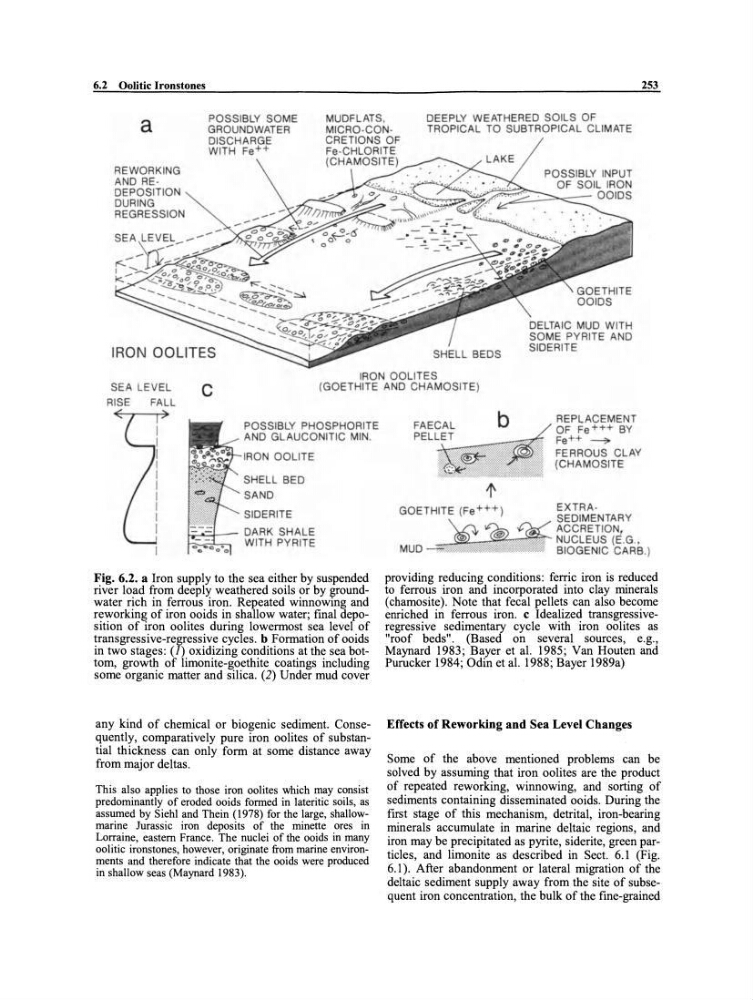
Fig. 6.2. a Iron supply to the sea either by suspended
river load from deeply weathered soils or by groundwater rich in ferrous iron. Repeated winnowing and
reworking of iron ooids in shallow water; final deposition of iron oolites during lowermost sea level of
transgressive-regressive cycles. b Formation of ooids
in two stages: (1) oxidizing conditions at the sea bottom, growth of limonite-goethite coatings including
some organic matter and silica. (2) Under mud cover
any kind of chemical or bio genie sediment. Consequently, comparatively pure iron oolites of substantial thickness can only form at some distance away
from major deltas.
This also applies to those iron oolites which may consist
predominantly of eroded ooids formed in lateritic soils, as
assumed by Siehl and Thein (1978) for the large, shallowmarine Jurassie iron deposits of the minette ores in
Lorraine, eastem France. The nuclei of the ooids in many
oolitic ironstones, however, originate from marine environments and therefore indicate that the ooids were produced
in shallow seas (Maynard 1983).
REPLACEMENT
OF Fe+++ BY
Fe ++ ~
FE RROUS ClAY
(CHAMOSITE
providing reducing conditions: ferric iron is reduced
to ferrous iron and incorporated into elay minerals
(ehamosite). Note that fecal pellets ean also beeome
enriehed in ferrous iron. c Idealized transgressiveregressive sedimentary eycle with iron oolites as
"roof beds". (Based on several sourees, e.g.,
Maynard 1983; Bayer et al. 1985; Van Houten and
Purucker 1984; Odin et al. 1988; Bayer 1989a)
Effects of Reworking and Sea Level Changes
Some of the above mentioned problems ean be
solved by assuming that iron oolites are the product
of repeated reworking, winnowing, and sorting of
sediments containing disseminated ooids. During the
first stage of this meehanism, detrital, iron-bearing
minerals aecumulate in marine deltaic regions, and
iron may be precipitated as pyrite, siderite, green particles, and limonite as described in Sect. 6.1 (Fig.
6.1). After abandonment or lateral migration of the
deltaic sediment supply away from the site of subsequent iron eoncentration, the bulk of the fine-grained
253
a
REWORKING
AND REDEPOSITION
DURING
REGRESSION
POSSIBLY SO ME
GROUNDWATER
DISCHARGE
WITH Fe++
MUDFLATS.
MICRO-CON·
CRETIONS OF
Fe·CHLORITE
(CHA MOSITE)
DEEPLY WEATHERED SOlLS OF
TROPICAL TO SUBTROPICAL CLiMATE
IRON OOLITES
POSSIBLY INPUT
OF SOlL IRON
~::::-:...-:::--...:::;::=- 0010 S
DELTAIC MUD WITH
SOME PYRITE AND
SIDERITE
SEA LEVEL
c
IRON OOLITES
(GOETHITE AND CHAMOSITE)
RISE
FALL
POSSIBLY PHOSPHORITE
AND GLAUCONITIC MIN.
IRON OOLITE
SHELL BED
SAND
SIDERITE
......... ~_ DARK SHALE
WITH PYRITE
Fig. 6.2. a Iron supply to the sea either by suspended
river load from deeply weathered soils or by groundwater rich in ferrous iron. Repeated winnowing and
reworking of iron ooids in shallow water; final deposition of iron oolites during lowermost sea level of
transgressive-regressive cycles. b Formation of ooids
in two stages: (1) oxidizing conditions at the sea bottom, growth of limonite-goethite coatings including
some organic matter and silica. (2) Under mud cover
any kind of chemical or bio genie sediment. Consequently, comparatively pure iron oolites of substantial thickness can only form at some distance away
from major deltas.
This also applies to those iron oolites which may consist
predominantly of eroded ooids formed in lateritic soils, as
assumed by Siehl and Thein (1978) for the large, shallowmarine Jurassie iron deposits of the minette ores in
Lorraine, eastem France. The nuclei of the ooids in many
oolitic ironstones, however, originate from marine environments and therefore indicate that the ooids were produced
in shallow seas (Maynard 1983).
REPLACEMENT
OF Fe+++ BY
Fe ++ ~
FE RROUS ClAY
(CHAMOSITE
providing reducing conditions: ferric iron is reduced
to ferrous iron and incorporated into elay minerals
(ehamosite). Note that fecal pellets ean also beeome
enriehed in ferrous iron. c Idealized transgressiveregressive sedimentary eycle with iron oolites as
"roof beds". (Based on several sourees, e.g.,
Maynard 1983; Bayer et al. 1985; Van Houten and
Purucker 1984; Odin et al. 1988; Bayer 1989a)
Effects of Reworking and Sea Level Changes
Some of the above mentioned problems ean be
solved by assuming that iron oolites are the product
of repeated reworking, winnowing, and sorting of
sediments containing disseminated ooids. During the
first stage of this meehanism, detrital, iron-bearing
minerals aecumulate in marine deltaic regions, and
iron may be precipitated as pyrite, siderite, green particles, and limonite as described in Sect. 6.1 (Fig.
6.1). After abandonment or lateral migration of the
deltaic sediment supply away from the site of subsequent iron eoncentration, the bulk of the fine-grained