

6.1 Green Marine Clays
251
GREEN MARINE CLAYS AND GLAUCONITE
HYDROTHERMAL
SYSTEMS PROVIDING
IRON
.. PYRITE
Fe -SMECTITE
VERDINE FACIES
(PHYLLlTE- TYPE
CLAY MINERAL,
RICH IN Fe + Mg)
FERROMANGANESE
NODULES
--PARTIAL REDUCTION
OF IRON
FLUVIAL INPUT
OF DETRITAL
/ ' IRON
.. PYRITE, SIDERITE
~
GLAUCONY FACIES
(WITH GLAUCONITIC
MINERALS)
CELADONITE FACIES
(Fe-R ICH CLAY MINERAL)
Fe-RICH SMECTITES
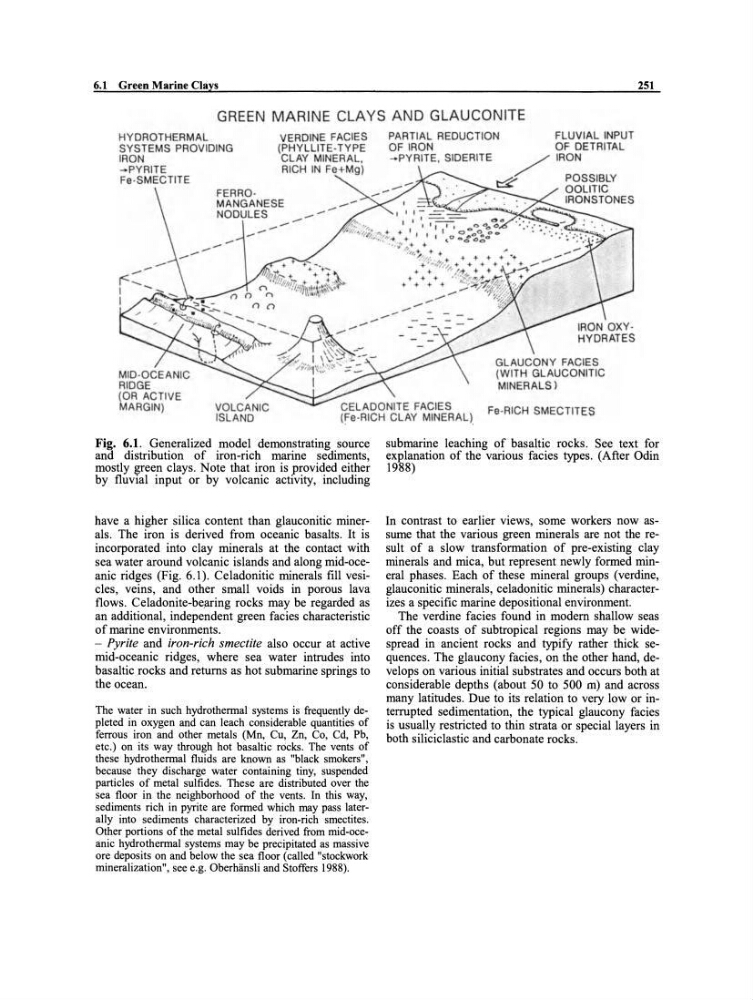
Fig. 6.1. Generalized model demonstrating source
and distribution of iron-rich marine sediments,
mostly green clays. Note that iron is provided either
by fluvial input or by volcanic activity, including
have a higher silica content than glauconitic minerals. The iron is derived from oceanic basalts. It is
incorporated into clay minerals at the contact with
sea water around volcanic islands and along mid-oceanic ridges (Fig. 6.1). Celadonitic minerals fill vesieIes, veins, and other small voids in porous lava
flows. Celadonite-be.aring rocks may be regarded as
an additional, independent green facies characteristic
of marine environments.
- Pyrite and iron-rich smectite also occur at active
mid-oceanic ridges, where sea water intrudes into
basaltic rocks and returns as hot submarine springs to
the ocean.
The water in such hydrothennal systems is frequently depleted in oxygen and can leach considerable quantities of
ferrous iron and other metals (Mn, Cu, Zn, Co, Cd, Pb,
etc.) on its way through hot basaltic rocks. The vents of
these hydrothennal fluids are known as "blaek smokers",
because they discharge water containing tiny, suspended
particles of metal sulfides. These are distributed over the
sea floor in the neighborhood of the vents. In this way,
sediments rieh in pyrite are fonned which may pass laterally into sediments characterized by iron-rieh smectites.
Other portions of the metal sulfides derived from mid-oceanic hydrothennal systems may be precipitated as massive
ore deposits on and below the sea floor (ealled "stoekwork
mineralization", see e.g. Oberhänsli and Stoffers 1988).
submarine leaching of basaltic rocks. See text for
explanation of the various facies types. (After Odin
1988)
In contrast to earlier views, some workers now assume that the various green minerals are not the result of a slow transformation of pre-existing clay
minerals and mica, but represent newly formed mineral phases. Each of these mineral groups (verdine,
glauconitic minerals, celadonitic minerals) characterizes a specific marine depositional environment.
The verdine facies found in modem shallow seas
off the coasts of subtropical regions may be widespread in ancient rocks and typify rather thick sequences. The glaucony facies, on the other hand, develops on various initial substrates and occurs both at
considerable depths (about 50 to 500 m) and across
many latitudes. Due to its relation to very low or interrupted sedimentation, the typical glaucony facies
is usually restricted to thin strata or special layers in
both siliciclastic and carbonate rocks.
251
GREEN MARINE CLAYS AND GLAUCONITE
HYDROTHERMAL
SYSTEMS PROVIDING
IRON
.. PYRITE
Fe -SMECTITE
VERDINE FACIES
(PHYLLlTE- TYPE
CLAY MINERAL,
RICH IN Fe + Mg)
FERROMANGANESE
NODULES
--PARTIAL REDUCTION
OF IRON
FLUVIAL INPUT
OF DETRITAL
/ ' IRON
.. PYRITE, SIDERITE
~
GLAUCONY FACIES
(WITH GLAUCONITIC
MINERALS)
CELADONITE FACIES
(Fe-R ICH CLAY MINERAL)
Fe-RICH SMECTITES
Fig. 6.1. Generalized model demonstrating source
and distribution of iron-rich marine sediments,
mostly green clays. Note that iron is provided either
by fluvial input or by volcanic activity, including
have a higher silica content than glauconitic minerals. The iron is derived from oceanic basalts. It is
incorporated into clay minerals at the contact with
sea water around volcanic islands and along mid-oceanic ridges (Fig. 6.1). Celadonitic minerals fill vesieIes, veins, and other small voids in porous lava
flows. Celadonite-be.aring rocks may be regarded as
an additional, independent green facies characteristic
of marine environments.
- Pyrite and iron-rich smectite also occur at active
mid-oceanic ridges, where sea water intrudes into
basaltic rocks and returns as hot submarine springs to
the ocean.
The water in such hydrothennal systems is frequently depleted in oxygen and can leach considerable quantities of
ferrous iron and other metals (Mn, Cu, Zn, Co, Cd, Pb,
etc.) on its way through hot basaltic rocks. The vents of
these hydrothennal fluids are known as "blaek smokers",
because they discharge water containing tiny, suspended
particles of metal sulfides. These are distributed over the
sea floor in the neighborhood of the vents. In this way,
sediments rieh in pyrite are fonned which may pass laterally into sediments characterized by iron-rieh smectites.
Other portions of the metal sulfides derived from mid-oceanic hydrothennal systems may be precipitated as massive
ore deposits on and below the sea floor (ealled "stoekwork
mineralization", see e.g. Oberhänsli and Stoffers 1988).
submarine leaching of basaltic rocks. See text for
explanation of the various facies types. (After Odin
1988)
In contrast to earlier views, some workers now assume that the various green minerals are not the result of a slow transformation of pre-existing clay
minerals and mica, but represent newly formed mineral phases. Each of these mineral groups (verdine,
glauconitic minerals, celadonitic minerals) characterizes a specific marine depositional environment.
The verdine facies found in modem shallow seas
off the coasts of subtropical regions may be widespread in ancient rocks and typify rather thick sequences. The glaucony facies, on the other hand, develops on various initial substrates and occurs both at
considerable depths (about 50 to 500 m) and across
many latitudes. Due to its relation to very low or interrupted sedimentation, the typical glaucony facies
is usually restricted to thin strata or special layers in
both siliciclastic and carbonate rocks.