

228
Chapter 5 Oceanic Sediments
CLASSIFICATION OF DEEP-WATER FAN SYSTEMS
GRANULOMETRY
POINT
SOURCE
MULITPLE
SOUACE
SLOPE APRON,
LINEAR SOURCE
GRAVELRICH
SAND·
RICH
SAND/ MUD·
RICH
CHUTES
CHANNELIZED
LOBES
COALESCING SLOPES
COALESCING
TURBlqlTE SANDS
MUD·
RICH
~
~~~~== -' -...;-..;;
- -===-=:::=.=:COASTlIN~: ~. ~
MUDDY SHELF=---::....---:...:--=-=--==
- - - - - - - -
--------~
-
-
-
- - - -
~
'a-:; ~r ·.\- ':'-~\'
- -
,.... ~ ~
..... . \ ' ..,r __ .,~ -
CHANNEL· LEVEE·
COMPLEX
-..... ..... ....-..
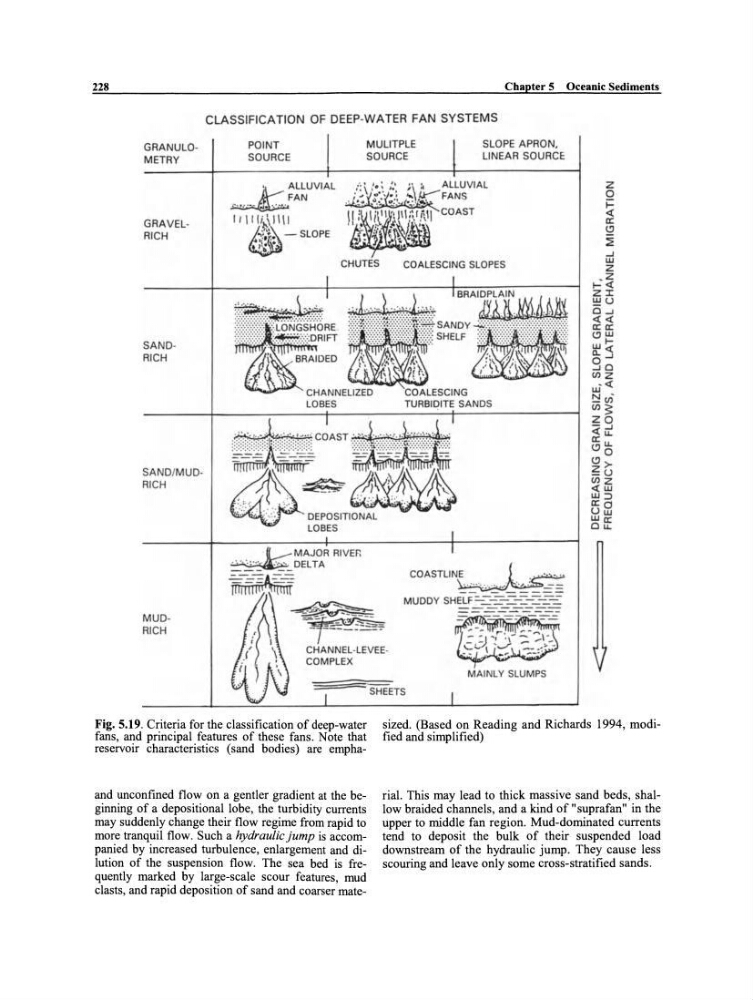
Fig. 5.19. Criteria for the elassification of deep-water
fans, and principal features of these fans. Note that
reservoir characteristics (sand bodies) are emphaand unconfined flow on a gentler gradient at the beginning of a depositional lobe, the turbidity currents
may suddenly change their flow regime from rapid to
more tranquil flow. Such a hydraulic jump is accompanied by increased turbulence, enlargement and dilution of the suspension flow. The sea bed is frequently marked by large-scale scour features, mud
elasts, and rapid deposition of sand and coarser mateMAINLY SLUMPS
SHEETS
sized. (Based on Reading and Richards 1994, modified and simplified)
rial. This may lead to thick massive sand beds, shallow braided channels, and a kind of "suprafan" in the
upper to middle fan region. Mud-dominated currents
tend to deposit the bulk of their suspended load
downstream of the hydraulic jump. Theycause less
scouring and leave only some cross-stratified sands.
Chapter 5 Oceanic Sediments
CLASSIFICATION OF DEEP-WATER FAN SYSTEMS
GRANULOMETRY
POINT
SOURCE
MULITPLE
SOUACE
SLOPE APRON,
LINEAR SOURCE
GRAVELRICH
SAND·
RICH
SAND/ MUD·
RICH
CHUTES
CHANNELIZED
LOBES
COALESCING SLOPES
COALESCING
TURBlqlTE SANDS
MUD·
RICH
~
~~~~== -' -...;-..;;
- -===-=:::=.=:COASTlIN~: ~. ~
MUDDY SHELF=---::....---:...:--=-=--==
- - - - - - - -
--------~
-
-
-
- - - -
~
'a-:; ~r ·.\- ':'-~\'
- -
,.... ~ ~
..... . \ ' ..,r __ .,~ -
CHANNEL· LEVEE·
COMPLEX
-..... ..... ....-..
Fig. 5.19. Criteria for the elassification of deep-water
fans, and principal features of these fans. Note that
reservoir characteristics (sand bodies) are emphaand unconfined flow on a gentler gradient at the beginning of a depositional lobe, the turbidity currents
may suddenly change their flow regime from rapid to
more tranquil flow. Such a hydraulic jump is accompanied by increased turbulence, enlargement and dilution of the suspension flow. The sea bed is frequently marked by large-scale scour features, mud
elasts, and rapid deposition of sand and coarser mateMAINLY SLUMPS
SHEETS
sized. (Based on Reading and Richards 1994, modified and simplified)
rial. This may lead to thick massive sand beds, shallow braided channels, and a kind of "suprafan" in the
upper to middle fan region. Mud-dominated currents
tend to deposit the bulk of their suspended load
downstream of the hydraulic jump. Theycause less
scouring and leave only some cross-stratified sands.