

5.4 Gravity Mass Flow
219
MUD TURBIDITES
TM
a SAND TURBIDITES
TS
SLUMPS, DEBRIS AND MUD FLOWS
SL, DF, MF
PE. PELAGIC TO
am, AMALGAMATION
r.:; ....... .-r- ee, EXTRACLAST
HE MI PELAGIC (TI )
PE (F)
bi, BIOTURBATED
Im, LAMINATED MUD (Td,e)
ev, CONVOLUTE BEDDING
I~~~ cb, CROSS·BEDDED ( Te)
le, INTRACLAST
kJ~~.-- wl, WINNOWING
gr, NORMAL GRADING
LOW
DE~NSITY /i}/;.
15, (PLANAR) LAMINATED
SAND (Tb)
OB
01 , OLiSTOLITH
gm, GRADED,
(MASSIVE)
MUD (E2)
TS -.; ' :IJ ,.
am, AMALGAMATION
ig, INVERSE
GRADING
TM
. . t .. '
mv, MASSIVE AND :!: gr S .
Im, l AMINAT':D
MUD (EI )
I-oii-ß-!-'J="gs, GRADED SAND
.':" -: : ',", gr, GRADED (SUS·
PENSION SEDI·
MENTATION, Ta)
Ig, INVERSE GRADING
(TRACTION CARPET)
(FOR FURTHER
DETAILS SEE TS)
SI, STRATIFIED (NORMAL
CURRENT - TRAC TlON)
SYMBOLS MAY BE COMBINEO TO
TM FOR NON·DIFFERENTIATE D
TS-TM
TM Im,gm
eIe.
TS gr,15
TSgr_lm
TSIg.mv
eIe.
SL sh
DBig.gr
MFie
DB-TS ls.eb
MF-TM
eIe.
b MINOR FEATURES OF GRADING
T
8
5mm
105 ef
GRADED
LAMINATION
(gi)
T. "/
2· 10 :'
;
cm .....
.; h.
.i >-/' ,~/.
GRADEO
CROSS·BEDDING
(geb)
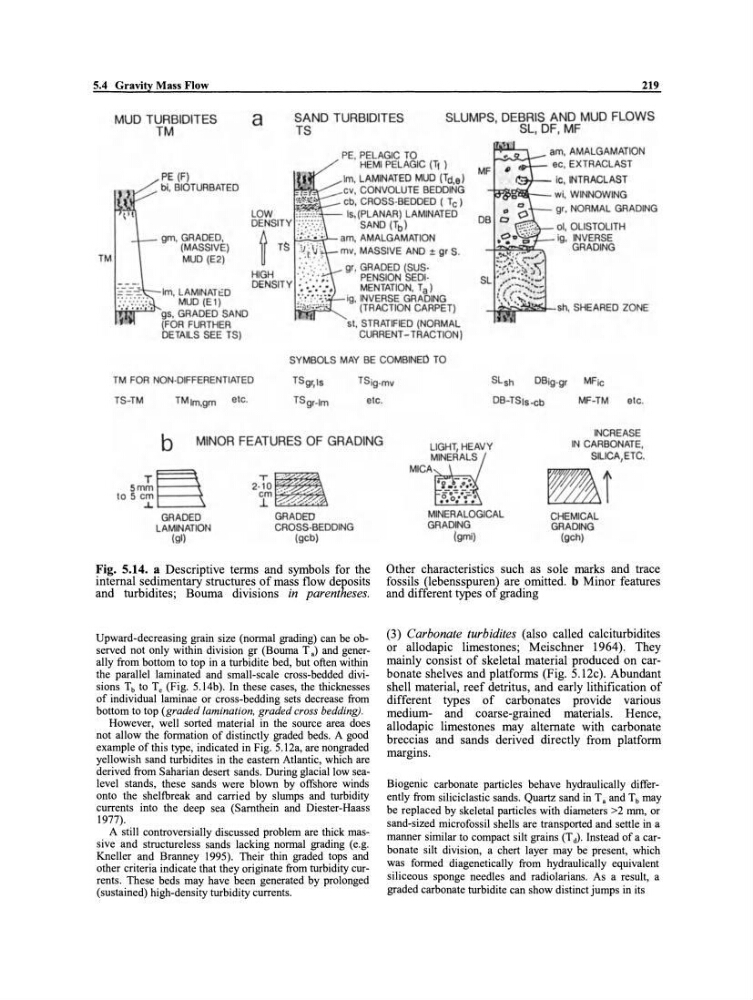
Fig. 5.14. a Descriptive terms and symbols far the
internal sedimentary structures of mass flow deposits
and turbidites; Bouma divisions in parentheses.
Upward-decreasing grain size (normal grading) can be observed not only within division gr (Bouma Ta) and generally from bottom to top in a turbidite bed, but often within
the parallellaminated and small-scale cross-bedded divisions Tb to Te (Fig. 5.14b). In these cases, the thicknesses
of individual laminae or cross-bedding sets decrease from
bottom to top (graded lamination, graded cross bedding).
However, weil sorted material in the source area does
not allow the formation of distinctly graded beds. A good
example of this type, indicated in Fig. 5.12a, are nongraded
yellowish sand turbidites in the eastem Atlantic, which are
derived from Saharian desert sands. During glaciallow sealevel stands, these sands were blown by offshore winds
onto the shelfbreak and carried by slumps and turbidity
currents into the deep sea (Samthein and Diester-Haass
1977).
A still controversially discussed problem are thick massive and structureless sands lacking normal grading (e.g.
Kneller and Branney 1995). Their thin graded tops and
other criteria indicate that they originate from turbidity currents. These beds may have been generated by prolonged
(sustained) high-density turbidity currents.
MINERALOGICAl
GRADING
(gmi)
INCREASE
IN CARBONATE,
SILlCA, ETC.
CHEMICAL
GRADING
(geh)
Other characteristics such as sole marks and trace
fossils (lebens spuren) are omitted. b Minor features
and different types of grading
(3) Carbonate turbidites (also called calciturbidites
or allodapic limestones; Meischner 1964). They
mainly consist of skeletal material produced on carbonate shelves and platforms (Fig. 5.12c). Abundant
shell material, reef detritus, and early lithification of
different types of carbonates provide various
medium- and coarse-grained materials. Hence,
allodapic limestones may alternate with carbonate
breccias and sands derived directly from platform
margins.
Biogenic carbonate particles behave hydraulically differently from siliciclastic sands. Quartz sand in Ta and Tb may
be replaced by skeletal particles with diameters >2 mm, or
sand-sized microfossil shells are transported and settle in a
manner similar to compact silt grains (T J. Instead of a carbonate silt division, a chert layer may be present, which
was formed diagenetically from hydraulically equivalent
siliceous sponge needles and radiolarians. As a result, a
graded carbonate turbidite can show distinct jumps in its
219
MUD TURBIDITES
TM
a SAND TURBIDITES
TS
SLUMPS, DEBRIS AND MUD FLOWS
SL, DF, MF
PE. PELAGIC TO
am, AMALGAMATION
r.:; ....... .-r- ee, EXTRACLAST
HE MI PELAGIC (TI )
PE (F)
bi, BIOTURBATED
Im, LAMINATED MUD (Td,e)
ev, CONVOLUTE BEDDING
I~~~ cb, CROSS·BEDDED ( Te)
le, INTRACLAST
kJ~~.-- wl, WINNOWING
gr, NORMAL GRADING
LOW
DE~NSITY /i}/;.
15, (PLANAR) LAMINATED
SAND (Tb)
OB
01 , OLiSTOLITH
gm, GRADED,
(MASSIVE)
MUD (E2)
TS -.; ' :IJ ,.
am, AMALGAMATION
ig, INVERSE
GRADING
TM
. . t .. '
mv, MASSIVE AND :!: gr S .
Im, l AMINAT':D
MUD (EI )
I-oii-ß-!-'J="gs, GRADED SAND
.':" -: : ',", gr, GRADED (SUS·
PENSION SEDI·
MENTATION, Ta)
Ig, INVERSE GRADING
(TRACTION CARPET)
(FOR FURTHER
DETAILS SEE TS)
SI, STRATIFIED (NORMAL
CURRENT - TRAC TlON)
SYMBOLS MAY BE COMBINEO TO
TM FOR NON·DIFFERENTIATE D
TS-TM
TM Im,gm
eIe.
TS gr,15
TSgr_lm
TSIg.mv
eIe.
SL sh
DBig.gr
MFie
DB-TS ls.eb
MF-TM
eIe.
b MINOR FEATURES OF GRADING
T
8
5mm
105 ef
GRADED
LAMINATION
(gi)
T. "/
2· 10 :'
;
cm .....
.; h.
.i >-/' ,~/.
GRADEO
CROSS·BEDDING
(geb)
Fig. 5.14. a Descriptive terms and symbols far the
internal sedimentary structures of mass flow deposits
and turbidites; Bouma divisions in parentheses.
Upward-decreasing grain size (normal grading) can be observed not only within division gr (Bouma Ta) and generally from bottom to top in a turbidite bed, but often within
the parallellaminated and small-scale cross-bedded divisions Tb to Te (Fig. 5.14b). In these cases, the thicknesses
of individual laminae or cross-bedding sets decrease from
bottom to top (graded lamination, graded cross bedding).
However, weil sorted material in the source area does
not allow the formation of distinctly graded beds. A good
example of this type, indicated in Fig. 5.12a, are nongraded
yellowish sand turbidites in the eastem Atlantic, which are
derived from Saharian desert sands. During glaciallow sealevel stands, these sands were blown by offshore winds
onto the shelfbreak and carried by slumps and turbidity
currents into the deep sea (Samthein and Diester-Haass
1977).
A still controversially discussed problem are thick massive and structureless sands lacking normal grading (e.g.
Kneller and Branney 1995). Their thin graded tops and
other criteria indicate that they originate from turbidity currents. These beds may have been generated by prolonged
(sustained) high-density turbidity currents.
MINERALOGICAl
GRADING
(gmi)
INCREASE
IN CARBONATE,
SILlCA, ETC.
CHEMICAL
GRADING
(geh)
Other characteristics such as sole marks and trace
fossils (lebens spuren) are omitted. b Minor features
and different types of grading
(3) Carbonate turbidites (also called calciturbidites
or allodapic limestones; Meischner 1964). They
mainly consist of skeletal material produced on carbonate shelves and platforms (Fig. 5.12c). Abundant
shell material, reef detritus, and early lithification of
different types of carbonates provide various
medium- and coarse-grained materials. Hence,
allodapic limestones may alternate with carbonate
breccias and sands derived directly from platform
margins.
Biogenic carbonate particles behave hydraulically differently from siliciclastic sands. Quartz sand in Ta and Tb may
be replaced by skeletal particles with diameters >2 mm, or
sand-sized microfossil shells are transported and settle in a
manner similar to compact silt grains (T J. Instead of a carbonate silt division, a chert layer may be present, which
was formed diagenetically from hydraulically equivalent
siliceous sponge needles and radiolarians. As a result, a
graded carbonate turbidite can show distinct jumps in its