

In addition to being lighter when compared to basalts, serpentinized peridotites
also have low frictional strength and low permeability. The presence of such
relatively soft complexes enhances the deformation of the material through which
they intrude. Serpentinization facilitates detachment faulting, often accompanied
by rock fragmentation and avalanches along slopes. It is believed that serpentinization occurs with a change in volume. The volume changes will depend on the
degree of serpentinization and might be as much as 20–50 % of the bulk rock.
The exposure of serpentinized peridotites will provide a unique opportunity to
study mantle-basalt relationships and the magma genesis of the most common rock
types found on the sea floor. The tectonic constraints related to the mechanics of
peridotite emplacement are important for understanding the lithosphere’s deformation and its influence on melt circulation underneath spreading ridges. Escartin
et al. (1997) suggested that serpentinization weakens the oceanic lithosphere and
enhances faulting.
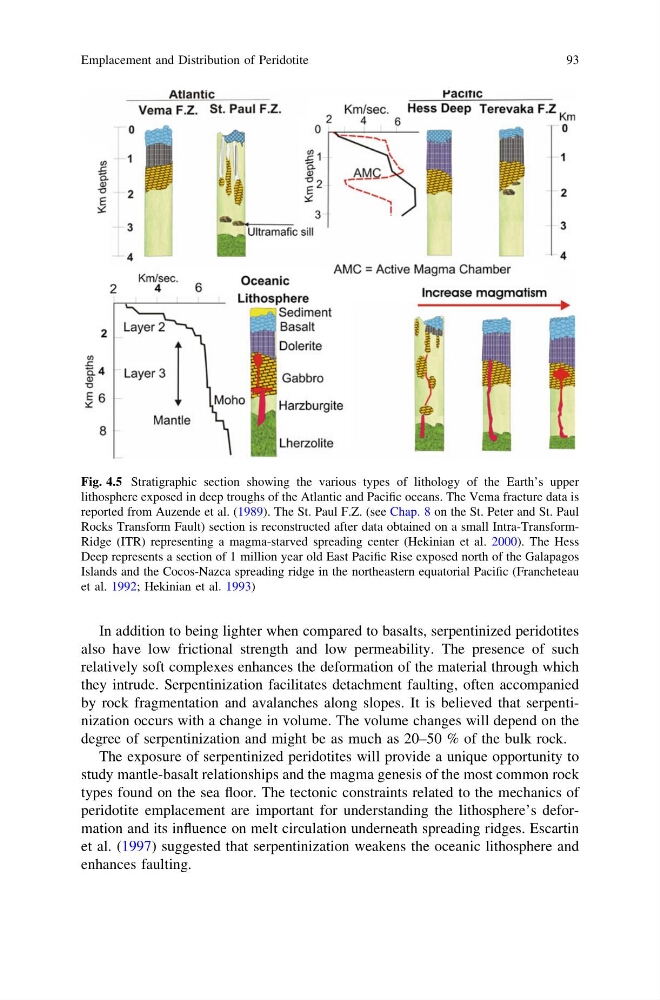
Fig. 4.5 Stratigraphic section showing the various types of lithology of the Earth’s upper
lithosphere exposed in deep troughs of the Atlantic and Pacific oceans. The Vema fracture data is
reported from Auzende et al. (1989). The St. Paul F.Z. (see Chap. 8 on the St. Peter and St. Paul
Rocks Transform Fault) section is reconstructed after data obtained on a small Intra-TransformRidge (ITR) representing a magma-starved spreading center (Hekinian et al. 2000). The Hess
Deep represents a section of 1 million year old East Pacific Rise exposed north of the Galapagos
Islands and the Cocos-Nazca spreading ridge in the northeastern equatorial Pacific (Francheteau
et al. 1992; Hekinian et al. 1993)
Emplacement and Distribution of Peridotite
93
also have low frictional strength and low permeability. The presence of such
relatively soft complexes enhances the deformation of the material through which
they intrude. Serpentinization facilitates detachment faulting, often accompanied
by rock fragmentation and avalanches along slopes. It is believed that serpentinization occurs with a change in volume. The volume changes will depend on the
degree of serpentinization and might be as much as 20–50 % of the bulk rock.
The exposure of serpentinized peridotites will provide a unique opportunity to
study mantle-basalt relationships and the magma genesis of the most common rock
types found on the sea floor. The tectonic constraints related to the mechanics of
peridotite emplacement are important for understanding the lithosphere’s deformation and its influence on melt circulation underneath spreading ridges. Escartin
et al. (1997) suggested that serpentinization weakens the oceanic lithosphere and
enhances faulting.
Fig. 4.5 Stratigraphic section showing the various types of lithology of the Earth’s upper
lithosphere exposed in deep troughs of the Atlantic and Pacific oceans. The Vema fracture data is
reported from Auzende et al. (1989). The St. Paul F.Z. (see Chap. 8 on the St. Peter and St. Paul
Rocks Transform Fault) section is reconstructed after data obtained on a small Intra-TransformRidge (ITR) representing a magma-starved spreading center (Hekinian et al. 2000). The Hess
Deep represents a section of 1 million year old East Pacific Rise exposed north of the Galapagos
Islands and the Cocos-Nazca spreading ridge in the northeastern equatorial Pacific (Francheteau
et al. 1992; Hekinian et al. 1993)
Emplacement and Distribution of Peridotite
93