

as seen at BP’s Deepwater Horizon disaster. Besides
subsalt plays, advances in deep water have been made in
exploiting stratigraphic traps, deltas, thrust structures,
and carbonate reservoirs. Exploration success often is
driven by a better understanding of the geology. Our present knowledge about the structure and architecture of
passive continental margins (see Regional Marine Geology) is mainly derived from the interpretation of seismic
data, supported by other geophysical data (see Technology
in Marine Geosciences), and at times controlled by
drilling. Such interpretation underpins exploration concepts, and future exploration is expected to be challenged
by the maturation of conceptual models.
There are two end-member extremes of passive rifted
margins: (1) magma-poor rifted margins and (2) volcanic
rifted margins (Whitmarsh et al., 2001; Menzies et al.,
2002; Franke, 2013; Peron-Pinvidic et al., 2013).
Magma-poor rifted margins typically evolve along wide
rifts that may be divided into a proximal and a distal part
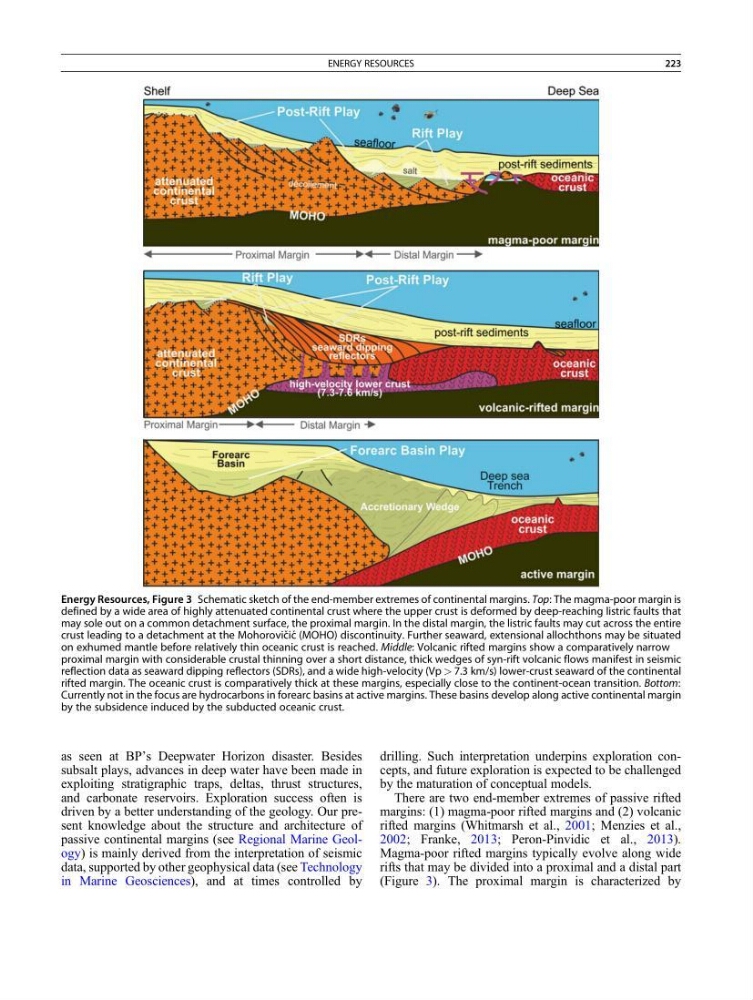
(Figure 3). The proximal margin is characterized by
Energy Resources, Figure 3 Schematic sketch of the end-member extremes of continental margins. Top: The magma-poor margin is
defined by a wide area of highly attenuated continental crust where the upper crust is deformed by deep-reaching listric faults that
may sole out on a common detachment surface, the proximal margin. In the distal margin, the listric faults may cut across the entire
crust leading to a detachment at the Mohorovic ˇic ´ (MOHO) discontinuity. Further seaward, extensional allochthons may be situated
on exhumed mantle before relatively thin oceanic crust is reached. Middle: Volcanic rifted margins show a comparatively narrow
proximal margin with considerable crustal thinning over a short distance, thick wedges of syn-rift volcanic flows manifest in seismic
reflection data as seaward dipping reflectors (SDRs), and a wide high-velocity (Vp > 7.3 km/s) lower-crust seaward of the continental
rifted margin. The oceanic crust is comparatively thick at these margins, especially close to the continent-ocean transition. Bottom:
Currently not in the focus are hydrocarbons in forearc basins at active margins. These basins develop along active continental margin
by the subsidence induced by the subducted oceanic crust.
ENERGY RESOURCES
223
subsalt plays, advances in deep water have been made in
exploiting stratigraphic traps, deltas, thrust structures,
and carbonate reservoirs. Exploration success often is
driven by a better understanding of the geology. Our present knowledge about the structure and architecture of
passive continental margins (see Regional Marine Geology) is mainly derived from the interpretation of seismic
data, supported by other geophysical data (see Technology
in Marine Geosciences), and at times controlled by
drilling. Such interpretation underpins exploration concepts, and future exploration is expected to be challenged
by the maturation of conceptual models.
There are two end-member extremes of passive rifted
margins: (1) magma-poor rifted margins and (2) volcanic
rifted margins (Whitmarsh et al., 2001; Menzies et al.,
2002; Franke, 2013; Peron-Pinvidic et al., 2013).
Magma-poor rifted margins typically evolve along wide
rifts that may be divided into a proximal and a distal part
(Figure 3). The proximal margin is characterized by
Energy Resources, Figure 3 Schematic sketch of the end-member extremes of continental margins. Top: The magma-poor margin is
defined by a wide area of highly attenuated continental crust where the upper crust is deformed by deep-reaching listric faults that
may sole out on a common detachment surface, the proximal margin. In the distal margin, the listric faults may cut across the entire
crust leading to a detachment at the Mohorovic ˇic ´ (MOHO) discontinuity. Further seaward, extensional allochthons may be situated
on exhumed mantle before relatively thin oceanic crust is reached. Middle: Volcanic rifted margins show a comparatively narrow
proximal margin with considerable crustal thinning over a short distance, thick wedges of syn-rift volcanic flows manifest in seismic
reflection data as seaward dipping reflectors (SDRs), and a wide high-velocity (Vp > 7.3 km/s) lower-crust seaward of the continental
rifted margin. The oceanic crust is comparatively thick at these margins, especially close to the continent-ocean transition. Bottom:
Currently not in the focus are hydrocarbons in forearc basins at active margins. These basins develop along active continental margin
by the subsidence induced by the subducted oceanic crust.
ENERGY RESOURCES
223