

prevent movement of the stone in storm wave conditions.
Filter cloth is often used on the base of the foundation to
prevent erosion.
Berm breakwaters
Berm breakwaters are detached breakwater constructed in
series parallel to the shore, either submerged or with a low
elevation above the still water level. Sited at the proper
distance offshore and with the correct gaps between them,
they can create a salient or widening of the beach directly
in their lee. When the salient gets too large, a tombolo is
formed; the collected sand connects the beach to the
breakwater structure. Generally this type of beach is used
to grow and protect the shoreline of a recreational beach;
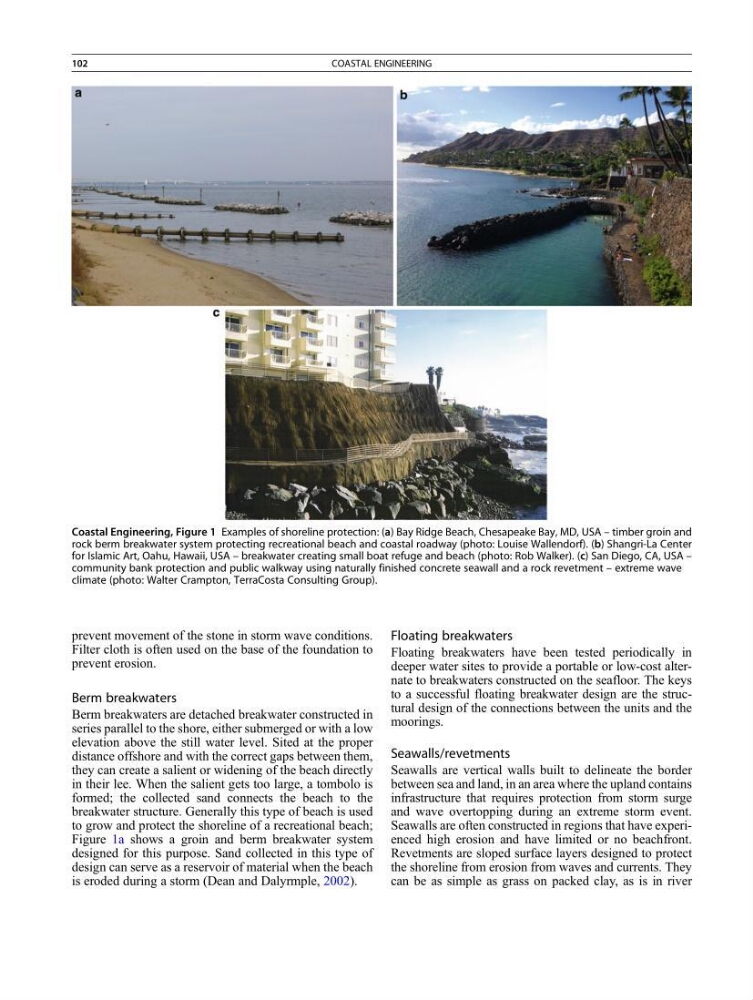
Figure 1a shows a groin and berm breakwater system
designed for this purpose. Sand collected in this type of
design can serve as a reservoir of material when the beach
is eroded during a storm (Dean and Dalyrmple, 2002).
Floating breakwaters
Floating breakwaters have been tested periodically in
deeper water sites to provide a portable or low-cost alternate to breakwaters constructed on the seafloor. The keys
to a successful floating breakwater design are the structural design of the connections between the units and the
moorings.
Seawalls/revetments
Seawalls are vertical walls built to delineate the border
between sea and land, in an area where the upland contains
infrastructure that requires protection from storm surge
and wave overtopping during an extreme storm event.
Seawalls are often constructed in regions that have experienced high erosion and have limited or no beachfront.
Revetments are sloped surface layers designed to protect
the shoreline from erosion from waves and currents. They
can be as simple as grass on packed clay, as is in river
Coastal Engineering, Figure 1 Examples of shoreline protection: (a) Bay Ridge Beach, Chesapeake Bay, MD, USA – timber groin and
rock berm breakwater system protecting recreational beach and coastal roadway (photo: Louise Wallendorf). (b) Shangri-La Center
for Islamic Art, Oahu, Hawaii, USA – breakwater creating small boat refuge and beach (photo: Rob Walker). (c) San Diego, CA, USA –
community bank protection and public walkway using naturally finished concrete seawall and a rock revetment – extreme wave
climate (photo: Walter Crampton, TerraCosta Consulting Group).
102
COASTAL ENGINEERING
Filter cloth is often used on the base of the foundation to
prevent erosion.
Berm breakwaters
Berm breakwaters are detached breakwater constructed in
series parallel to the shore, either submerged or with a low
elevation above the still water level. Sited at the proper
distance offshore and with the correct gaps between them,
they can create a salient or widening of the beach directly
in their lee. When the salient gets too large, a tombolo is
formed; the collected sand connects the beach to the
breakwater structure. Generally this type of beach is used
to grow and protect the shoreline of a recreational beach;
Figure 1a shows a groin and berm breakwater system
designed for this purpose. Sand collected in this type of
design can serve as a reservoir of material when the beach
is eroded during a storm (Dean and Dalyrmple, 2002).
Floating breakwaters
Floating breakwaters have been tested periodically in
deeper water sites to provide a portable or low-cost alternate to breakwaters constructed on the seafloor. The keys
to a successful floating breakwater design are the structural design of the connections between the units and the
moorings.
Seawalls/revetments
Seawalls are vertical walls built to delineate the border
between sea and land, in an area where the upland contains
infrastructure that requires protection from storm surge
and wave overtopping during an extreme storm event.
Seawalls are often constructed in regions that have experienced high erosion and have limited or no beachfront.
Revetments are sloped surface layers designed to protect
the shoreline from erosion from waves and currents. They
can be as simple as grass on packed clay, as is in river
Coastal Engineering, Figure 1 Examples of shoreline protection: (a) Bay Ridge Beach, Chesapeake Bay, MD, USA – timber groin and
rock berm breakwater system protecting recreational beach and coastal roadway (photo: Louise Wallendorf). (b) Shangri-La Center
for Islamic Art, Oahu, Hawaii, USA – breakwater creating small boat refuge and beach (photo: Rob Walker). (c) San Diego, CA, USA –
community bank protection and public walkway using naturally finished concrete seawall and a rock revetment – extreme wave
climate (photo: Walter Crampton, TerraCosta Consulting Group).
102
COASTAL ENGINEERING