

English text calls Bruges an important maritime trading centre. English wool, furs,
amber, flax, and honey were the major imports adding wine and cloth to its trade
over time. But by the end of the century access from the sea is closed by silting and
Bruges’ success is hindered by Mother Nature.
Not giving up, in 1134 canals are built after a storm flood shifted the silt thereby
opening an inlet from the Zwin to Damme, very near to Bruges and allowing the
re-opening of the maritime trading route. Damme (only 7.5 km or 4.7 mi away)
became an outer port for Bruges and later Sluis took on the role when the route to
Damme became impractical. From there small barges would move goods along the
Langeroi. Damme, in the twelfth century, was a small fishing settlement on the
Zwin, but accessible to reasonably sized draught ships. Then in 1180 Philip of
Alsace (1165–1191), the Count of Flanders, granted it city status. That conveyed to
Damme warehousing rights on Bordeaux wines and herring, a privilege that carried
profitable income. Goods would be transferred to flat-bottom boats to complete
their journey to Bruges. Philip II, (called Philip Augustus 1180–1223) King of
France and the suzerain nemesis of Flanders, put Damme to the torch in 1218 out of
anger over defeat in what is considered the first British naval victory, but by
1225–1241 the people had reconstructed a church, and “hallen” (covered market).
Damme’s fate remained linked to Bruges’.
Like most Flemish towns of the Middle Ages, textiles fueled the prosperity and
importance of Bruges. And by the end of the thirteenth century, the history and
prosperity of Bruges was buoyed by the wool trade. As an emerging market
powerhouse, the Bruges Bourse made its appearance in 1309 and is thought by
many to have been the world’s earliest stock exchange (Coispeau 2016). From 1200
to 1400 Bruges threatened to eclipse Venice as a trade mecca. Bruges became the
most important trading center of Europe with its stock exchange, large consulates,
and flourishing art community. The first book printed in English the Recuyell of the
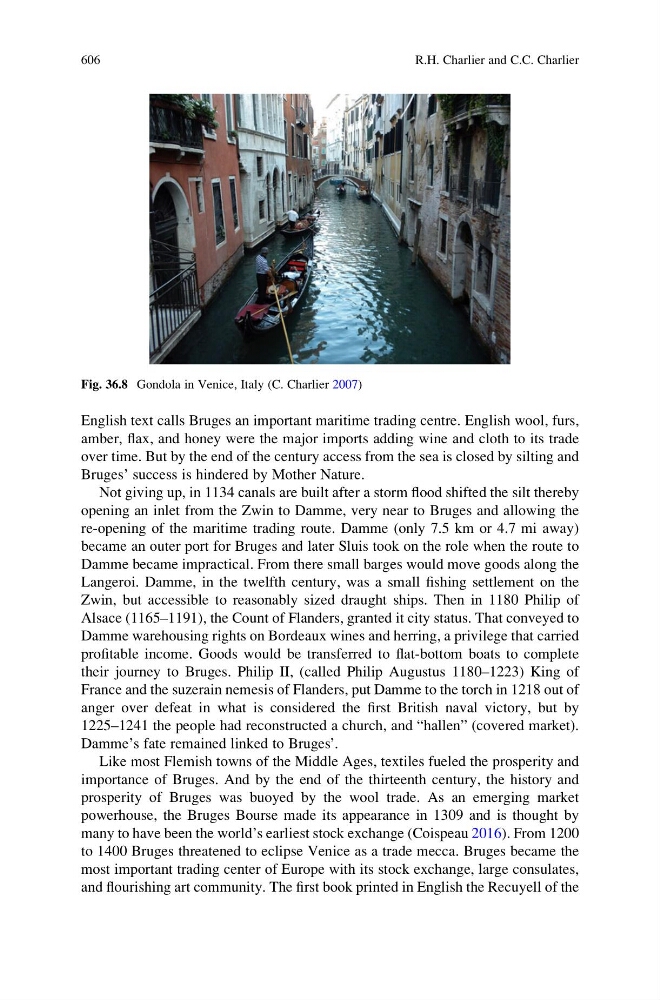
Fig. 36.8 Gondola in Venice, Italy (C. Charlier 2007)
606
R.H. Charlier and C.C. Charlier
amber, flax, and honey were the major imports adding wine and cloth to its trade
over time. But by the end of the century access from the sea is closed by silting and
Bruges’ success is hindered by Mother Nature.
Not giving up, in 1134 canals are built after a storm flood shifted the silt thereby
opening an inlet from the Zwin to Damme, very near to Bruges and allowing the
re-opening of the maritime trading route. Damme (only 7.5 km or 4.7 mi away)
became an outer port for Bruges and later Sluis took on the role when the route to
Damme became impractical. From there small barges would move goods along the
Langeroi. Damme, in the twelfth century, was a small fishing settlement on the
Zwin, but accessible to reasonably sized draught ships. Then in 1180 Philip of
Alsace (1165–1191), the Count of Flanders, granted it city status. That conveyed to
Damme warehousing rights on Bordeaux wines and herring, a privilege that carried
profitable income. Goods would be transferred to flat-bottom boats to complete
their journey to Bruges. Philip II, (called Philip Augustus 1180–1223) King of
France and the suzerain nemesis of Flanders, put Damme to the torch in 1218 out of
anger over defeat in what is considered the first British naval victory, but by
1225–1241 the people had reconstructed a church, and “hallen” (covered market).
Damme’s fate remained linked to Bruges’.
Like most Flemish towns of the Middle Ages, textiles fueled the prosperity and
importance of Bruges. And by the end of the thirteenth century, the history and
prosperity of Bruges was buoyed by the wool trade. As an emerging market
powerhouse, the Bruges Bourse made its appearance in 1309 and is thought by
many to have been the world’s earliest stock exchange (Coispeau 2016). From 1200
to 1400 Bruges threatened to eclipse Venice as a trade mecca. Bruges became the
most important trading center of Europe with its stock exchange, large consulates,
and flourishing art community. The first book printed in English the Recuyell of the
Fig. 36.8 Gondola in Venice, Italy (C. Charlier 2007)
606
R.H. Charlier and C.C. Charlier