

At the end of august 1959 the first conference post-war had taken place with
subjects regarding hydrography, where were adopted important documents:
Instruction for the maritime survey, the Atlas for conventional marks for the
maritime charts and the Maritime Signaling System.
Simultaneously with the reentering in function of monitors, The danube Flottila
was reconstructed, named from 1959 The Fluvial Brigade. In 1962 was founded
The Maritime Division, the successor of Sea Divion’s traditions, which was the
great Romanian Navy unit disbanded at the end of World War II.
Between 1965 and 1989, the Romanian Navy Staff had prepared, sustained and
coordinated the development of the Navy, in accordance with the intern and extern
Romanian policy, as well as with The National defence doctrine in that period.
A series of maritime military ships built in the Romanian shipyards at the end of the
1970s and the beginning of the 1980s.
The period 1959–1964 is characterized by a productive hydrographic activity,
which allowed the hydrographic and hydrological analysis, from Vama Veche to
Baia Musara to be completed. At the hydrographic and hydrological survey contributed as on top of specialists of Maritime Hydrographic Directorate, staff from
State Committee of Waters and Oceanography Laboratory of the Romanian Academy. The detailed study of the areas in wich the hydrographic case presented
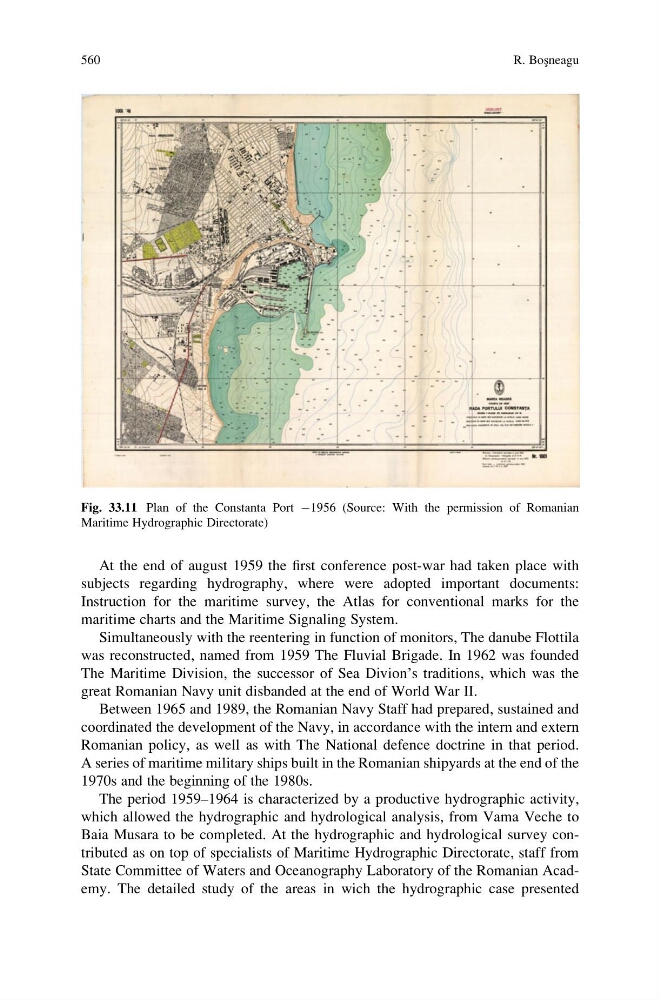
Fig. 33.11 Plan of the Constanta Port À1956 (Source: With the permission of Romanian
Maritime Hydrographic Directorate)
560
R. Bos ¸neagu
subjects regarding hydrography, where were adopted important documents:
Instruction for the maritime survey, the Atlas for conventional marks for the
maritime charts and the Maritime Signaling System.
Simultaneously with the reentering in function of monitors, The danube Flottila
was reconstructed, named from 1959 The Fluvial Brigade. In 1962 was founded
The Maritime Division, the successor of Sea Divion’s traditions, which was the
great Romanian Navy unit disbanded at the end of World War II.
Between 1965 and 1989, the Romanian Navy Staff had prepared, sustained and
coordinated the development of the Navy, in accordance with the intern and extern
Romanian policy, as well as with The National defence doctrine in that period.
A series of maritime military ships built in the Romanian shipyards at the end of the
1970s and the beginning of the 1980s.
The period 1959–1964 is characterized by a productive hydrographic activity,
which allowed the hydrographic and hydrological analysis, from Vama Veche to
Baia Musara to be completed. At the hydrographic and hydrological survey contributed as on top of specialists of Maritime Hydrographic Directorate, staff from
State Committee of Waters and Oceanography Laboratory of the Romanian Academy. The detailed study of the areas in wich the hydrographic case presented
Fig. 33.11 Plan of the Constanta Port À1956 (Source: With the permission of Romanian
Maritime Hydrographic Directorate)
560
R. Bos ¸neagu