

average plutonium fluxes in different period before and after the Chernobyl accident (Gulin et al. 2002; Tereshchenko et al. 2012, 2016; Egorov et al. 2013) In open
area in the Western Black Sea annual average fluxes of
239þ240 Pu ranged from 0.53
to 6.07 Bq∙m
À2
∙year
À1 . In 1962–1963 – maximum of the global fallout was 6.07, in
1986–1988 – maximum of the Chernobyl fallout – 3.16 and now – 0.53–0.55 Bq m
À2 year
À1 . So, the density of the maximum of Chernobyl fallout was less 2 times
compared with the maximum of global fallout in the open area of the Western Black
Sea. In this layer the ratio of
238 Pu/
239þ240 Pu was equal 0.34 and it exceeded the
global ratio 19 times. The rest of the plutonium amount replenished radioactive
contamination from the global fallout. After the peak of receipt of the Chernobyl
contamination in the next time–point the ratio of
238 Pu/
239þ240 Pu decreased to
0.03–0.04, and the proportion of Chernobyl plutonium also fell to 2–5%. Thus,
the basic amount of plutonium Chernobyl origin arrived in the deep zone of the
Black Sea primarily through atmospheric transport in the first period after the
accident on the Chernobyl nuclear power plant but the main source of Pu contamination of the Black Sea is the global fallout (Fig. 16.5).
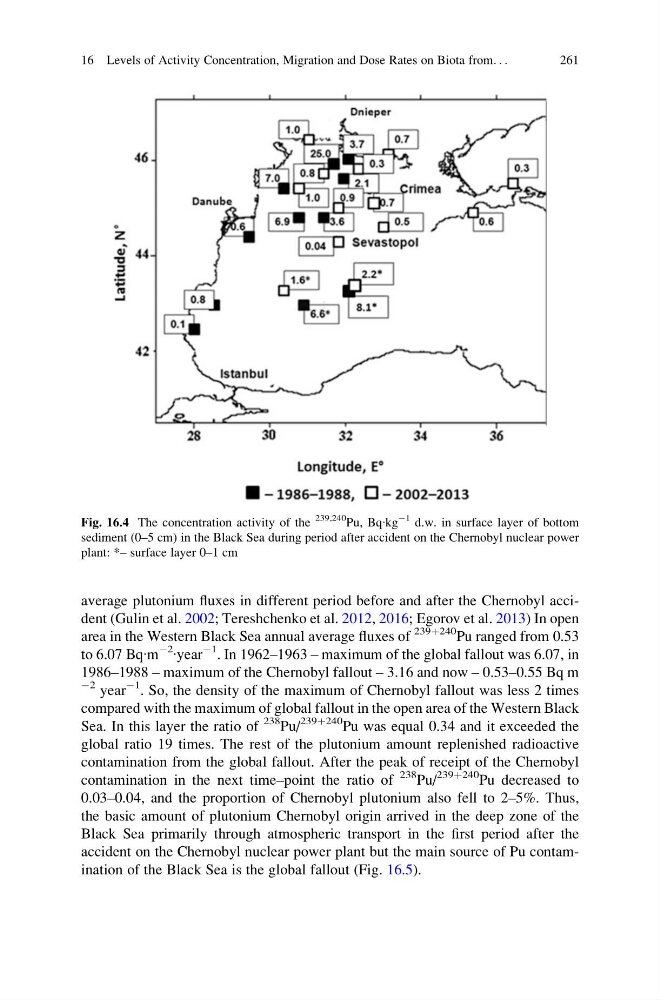
Fig. 16.4 The concentration activity of the
239,240
Pu, Bq∙kg
À1 d.w. in surface layer of bottom
sediment (0–5 cm) in the Black Sea during period after accident on the Chernobyl nuclear power
plant: *– surface layer 0–1 cm
16 Levels of Activity Concentration, Migration and Dose Rates on Biota from. . .
261
area in the Western Black Sea annual average fluxes of
239þ240 Pu ranged from 0.53
to 6.07 Bq∙m
À2
∙year
À1 . In 1962–1963 – maximum of the global fallout was 6.07, in
1986–1988 – maximum of the Chernobyl fallout – 3.16 and now – 0.53–0.55 Bq m
À2 year
À1 . So, the density of the maximum of Chernobyl fallout was less 2 times
compared with the maximum of global fallout in the open area of the Western Black
Sea. In this layer the ratio of
238 Pu/
239þ240 Pu was equal 0.34 and it exceeded the
global ratio 19 times. The rest of the plutonium amount replenished radioactive
contamination from the global fallout. After the peak of receipt of the Chernobyl
contamination in the next time–point the ratio of
238 Pu/
239þ240 Pu decreased to
0.03–0.04, and the proportion of Chernobyl plutonium also fell to 2–5%. Thus,
the basic amount of plutonium Chernobyl origin arrived in the deep zone of the
Black Sea primarily through atmospheric transport in the first period after the
accident on the Chernobyl nuclear power plant but the main source of Pu contamination of the Black Sea is the global fallout (Fig. 16.5).
Fig. 16.4 The concentration activity of the
239,240
Pu, Bq∙kg
À1 d.w. in surface layer of bottom
sediment (0–5 cm) in the Black Sea during period after accident on the Chernobyl nuclear power
plant: *– surface layer 0–1 cm
16 Levels of Activity Concentration, Migration and Dose Rates on Biota from. . .
261