

8.4 Problem 3: Closure of a Bay
191
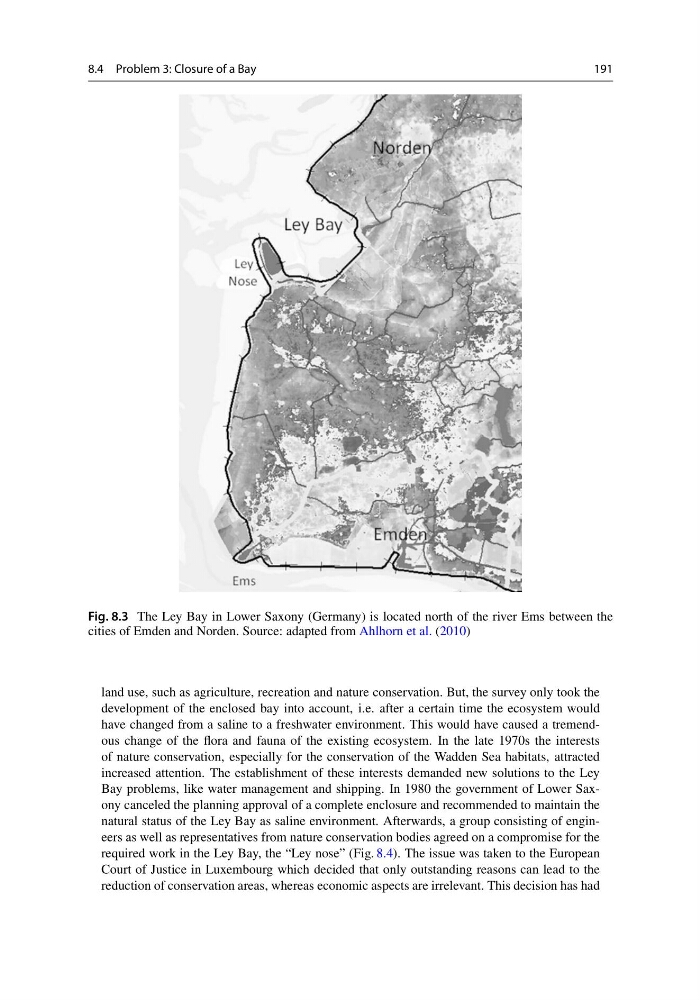
Fig. 8.3 The Ley Bay in Lower Saxony (Germany) is located north of the river Ems between the
cities of Emden and Norden. Source: adapted from Ahlhorn et al. (2010)
land use, such as agriculture, recreation and nature conservation. But, the survey only took the
development of the enclosed bay into account, i.e. after a certain time the ecosystem would
have changed from a saline to a freshwater environment. This would have caused a tremendous change of the flora and fauna of the existing ecosystem. In the late 1970s the interests
of nature conservation, especially for the conservation of the Wadden Sea habitats, attracted
increased attention. The establishment of these interests demanded new solutions to the Ley
Bay problems, like water management and shipping. In 1980 the government of Lower Saxony canceled the planning approval of a complete enclosure and recommended to maintain the
natural status of the Ley Bay as saline environment. Afterwards, a group consisting of engineers as well as representatives from nature conservation bodies agreed on a compromise for the
required work in the Ley Bay, the “Ley nose” (Fig. 8.4). The issue was taken to the European
Court of Justice in Luxembourg which decided that only outstanding reasons can lead to the
reduction of conservation areas, whereas economic aspects are irrelevant. This decision has had
191
Fig. 8.3 The Ley Bay in Lower Saxony (Germany) is located north of the river Ems between the
cities of Emden and Norden. Source: adapted from Ahlhorn et al. (2010)
land use, such as agriculture, recreation and nature conservation. But, the survey only took the
development of the enclosed bay into account, i.e. after a certain time the ecosystem would
have changed from a saline to a freshwater environment. This would have caused a tremendous change of the flora and fauna of the existing ecosystem. In the late 1970s the interests
of nature conservation, especially for the conservation of the Wadden Sea habitats, attracted
increased attention. The establishment of these interests demanded new solutions to the Ley
Bay problems, like water management and shipping. In 1980 the government of Lower Saxony canceled the planning approval of a complete enclosure and recommended to maintain the
natural status of the Ley Bay as saline environment. Afterwards, a group consisting of engineers as well as representatives from nature conservation bodies agreed on a compromise for the
required work in the Ley Bay, the “Ley nose” (Fig. 8.4). The issue was taken to the European
Court of Justice in Luxembourg which decided that only outstanding reasons can lead to the
reduction of conservation areas, whereas economic aspects are irrelevant. This decision has had