

4
1 The Coast
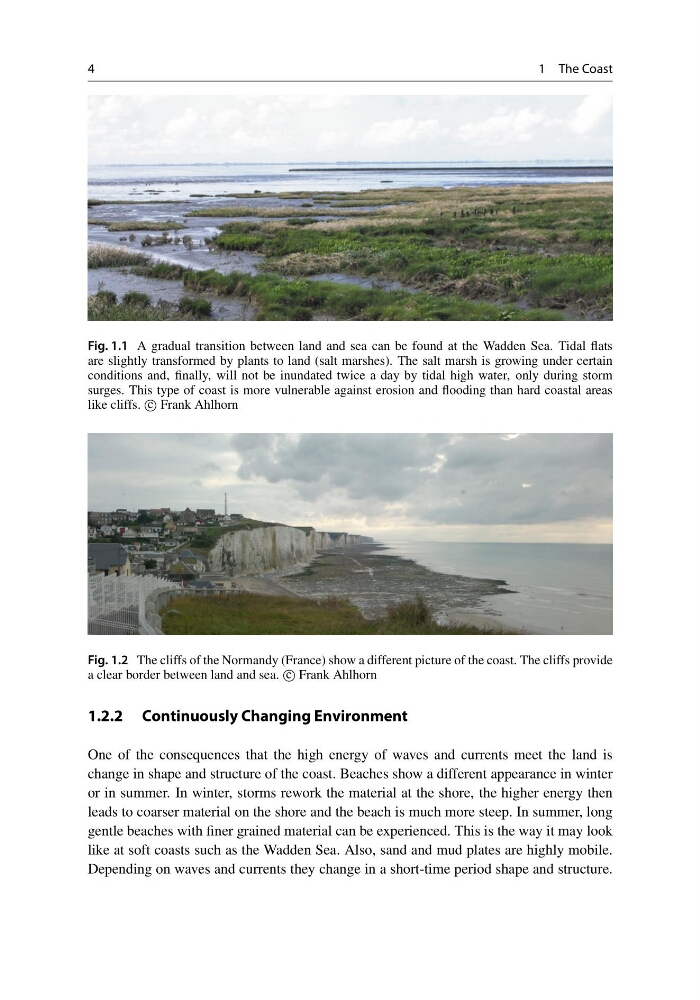
Fig. 1.1 A gradual transition between land and sea can be found at the Wadden Sea. Tidal flats
are slightly transformed by plants to land (salt marshes). The salt marsh is growing under certain
conditions and, finally, will not be inundated twice a day by tidal high water, only during storm
surges. This type of coast is more vulnerable against erosion and flooding than hard coastal areas
like cliffs. c
Frank Ahlhorn
Fig. 1.2 The cliffs of the Normandy (France) show a different picture of the coast. The cliffs provide
a clear border between land and sea. c
Frank Ahlhorn
1.2.2 Continuously Changing Environment
One of the consequences that the high energy of waves and currents meet the land is
change in shape and structure of the coast. Beaches show a different appearance in winter
or in summer. In winter, storms rework the material at the shore, the higher energy then
leads to coarser material on the shore and the beach is much more steep. In summer, long
gentle beaches with finer grained material can be experienced. This is the way it may look
like at soft coasts such as the Wadden Sea. Also, sand and mud plates are highly mobile.
Depending on waves and currents they change in a short-time period shape and structure.
1 The Coast
Fig. 1.1 A gradual transition between land and sea can be found at the Wadden Sea. Tidal flats
are slightly transformed by plants to land (salt marshes). The salt marsh is growing under certain
conditions and, finally, will not be inundated twice a day by tidal high water, only during storm
surges. This type of coast is more vulnerable against erosion and flooding than hard coastal areas
like cliffs. c
Frank Ahlhorn
Fig. 1.2 The cliffs of the Normandy (France) show a different picture of the coast. The cliffs provide
a clear border between land and sea. c
Frank Ahlhorn
1.2.2 Continuously Changing Environment
One of the consequences that the high energy of waves and currents meet the land is
change in shape and structure of the coast. Beaches show a different appearance in winter
or in summer. In winter, storms rework the material at the shore, the higher energy then
leads to coarser material on the shore and the beach is much more steep. In summer, long
gentle beaches with finer grained material can be experienced. This is the way it may look
like at soft coasts such as the Wadden Sea. Also, sand and mud plates are highly mobile.
Depending on waves and currents they change in a short-time period shape and structure.