

144
6 Prospects: Approaches of Integrated Management
Water level Hydraulic load
Probability of a flood
Height and strength
of a dike
Consequences
Risk at flooding
(Likelihood * Consequence)
Indirect
damage
Evacuation fraction
Fatalities
Flood progress and pattern
Direct
damage
Total
damage
Casualties
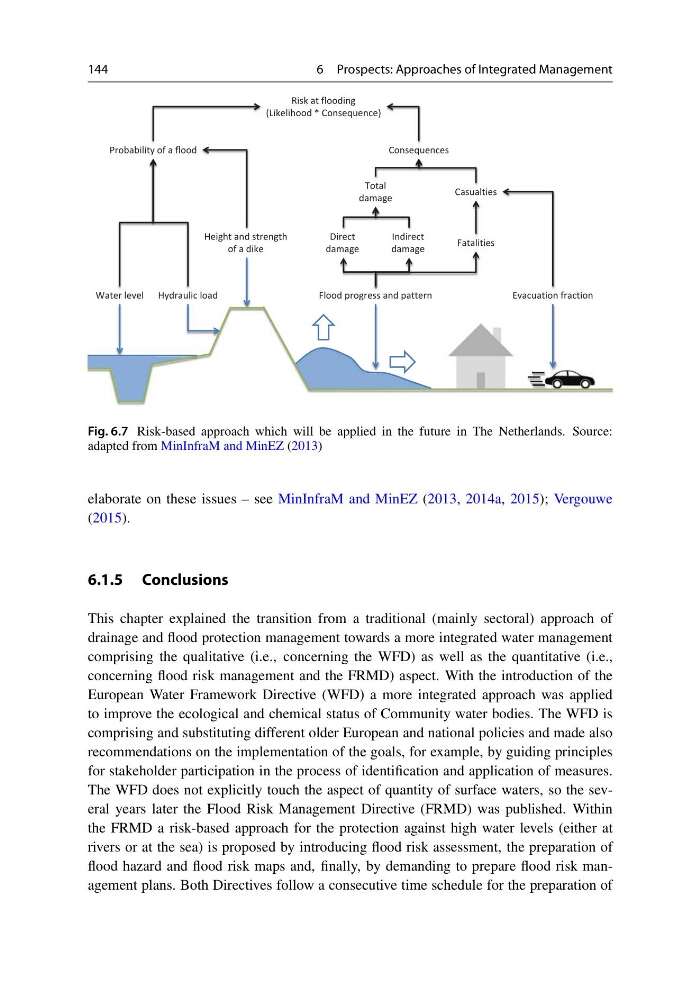
Fig. 6.7 Risk-based approach which will be applied in the future in The Netherlands. Source:
adapted from MinInfraM and MinEZ (2013)
elaborate on these issues – see MinInfraM and MinEZ (2013, 2014a, 2015); Vergouwe
(2015).
6.1.5 Conclusions
This chapter explained the transition from a traditional (mainly sectoral) approach of
drainage and flood protection management towards a more integrated water management
comprising the qualitative (i.e., concerning the WFD) as well as the quantitative (i.e.,
concerning flood risk management and the FRMD) aspect. With the introduction of the
European Water Framework Directive (WFD) a more integrated approach was applied
to improve the ecological and chemical status of Community water bodies. The WFD is
comprising and substituting different older European and national policies and made also
recommendations on the implementation of the goals, for example, by guiding principles
for stakeholder participation in the process of identification and application of measures.
The WFD does not explicitly touch the aspect of quantity of surface waters, so the several years later the Flood Risk Management Directive (FRMD) was published. Within
the FRMD a risk-based approach for the protection against high water levels (either at
rivers or at the sea) is proposed by introducing flood risk assessment, the preparation of
flood hazard and flood risk maps and, finally, by demanding to prepare flood risk management plans. Both Directives follow a consecutive time schedule for the preparation of
6 Prospects: Approaches of Integrated Management
Water level Hydraulic load
Probability of a flood
Height and strength
of a dike
Consequences
Risk at flooding
(Likelihood * Consequence)
Indirect
damage
Evacuation fraction
Fatalities
Flood progress and pattern
Direct
damage
Total
damage
Casualties
Fig. 6.7 Risk-based approach which will be applied in the future in The Netherlands. Source:
adapted from MinInfraM and MinEZ (2013)
elaborate on these issues – see MinInfraM and MinEZ (2013, 2014a, 2015); Vergouwe
(2015).
6.1.5 Conclusions
This chapter explained the transition from a traditional (mainly sectoral) approach of
drainage and flood protection management towards a more integrated water management
comprising the qualitative (i.e., concerning the WFD) as well as the quantitative (i.e.,
concerning flood risk management and the FRMD) aspect. With the introduction of the
European Water Framework Directive (WFD) a more integrated approach was applied
to improve the ecological and chemical status of Community water bodies. The WFD is
comprising and substituting different older European and national policies and made also
recommendations on the implementation of the goals, for example, by guiding principles
for stakeholder participation in the process of identification and application of measures.
The WFD does not explicitly touch the aspect of quantity of surface waters, so the several years later the Flood Risk Management Directive (FRMD) was published. Within
the FRMD a risk-based approach for the protection against high water levels (either at
rivers or at the sea) is proposed by introducing flood risk assessment, the preparation of
flood hazard and flood risk maps and, finally, by demanding to prepare flood risk management plans. Both Directives follow a consecutive time schedule for the preparation of