

Cd- Cu
10em
35 em
25 em
PYREX
GLASS
WOOL
Inorganic Nutrients
ml
50
40
30
20
10
2 mmlD
CAPILLARY
TUBING
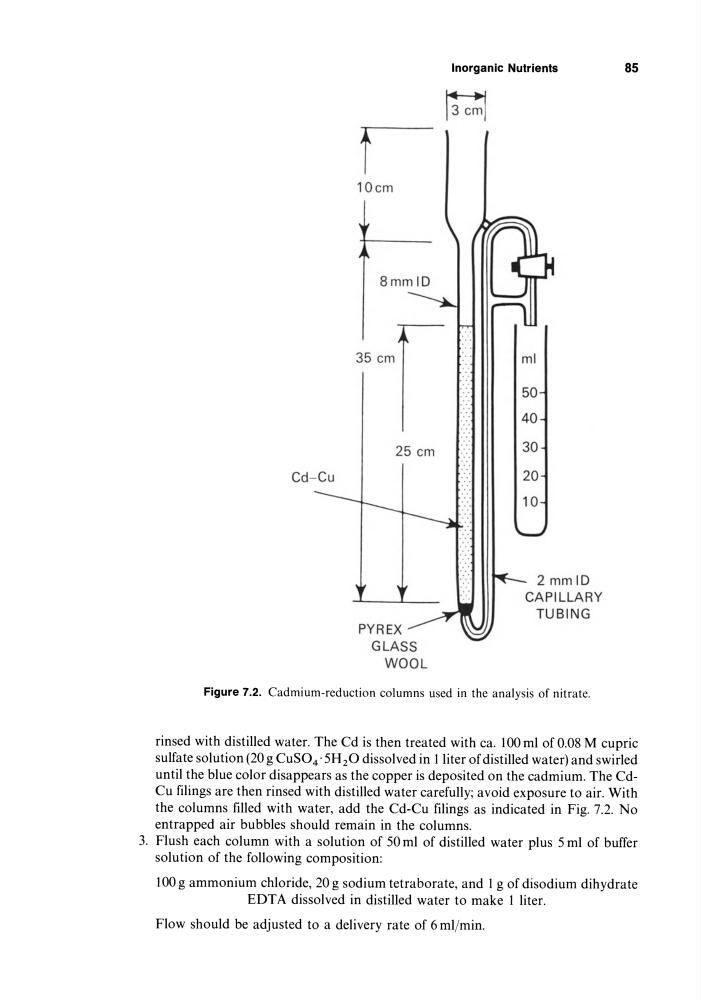
Figure 7.2. Cadmium-reduction columns used in the analysis of nitrate.
85
rinsed with distilled water. The Cd is then treated with ca. 100 ml of 0.08 M cupric
sulfate solution (20 g CuS04 ' 5H 20 dissolved in 1 liter of distilled water) and swirled
until the blue color disappears as the copper is deposited on the cadmium. The CdCu filings are then rinsed with distilled water carefully; avoid exposure to air. With
the columns filled with water, add the Cd-Cu filings as indicated in Fig. 7.2. No
entrapped air bubbles should remain in the columns.
3. Flush each column with a solution of 50 ml of distilled water plus 5 ml of buffer
solution of the following composition:
100 g ammonium chloride, 20 g sodium tetraborate, and I g of disodium dihydrate
EDT A dissolved in distilled water to make 1 liter.
Flow should be adjusted to a delivery rate of 6 ml/min.
10em
35 em
25 em
PYREX
GLASS
WOOL
Inorganic Nutrients
ml
50
40
30
20
10
2 mmlD
CAPILLARY
TUBING
Figure 7.2. Cadmium-reduction columns used in the analysis of nitrate.
85
rinsed with distilled water. The Cd is then treated with ca. 100 ml of 0.08 M cupric
sulfate solution (20 g CuS04 ' 5H 20 dissolved in 1 liter of distilled water) and swirled
until the blue color disappears as the copper is deposited on the cadmium. The CdCu filings are then rinsed with distilled water carefully; avoid exposure to air. With
the columns filled with water, add the Cd-Cu filings as indicated in Fig. 7.2. No
entrapped air bubbles should remain in the columns.
3. Flush each column with a solution of 50 ml of distilled water plus 5 ml of buffer
solution of the following composition:
100 g ammonium chloride, 20 g sodium tetraborate, and I g of disodium dihydrate
EDT A dissolved in distilled water to make 1 liter.
Flow should be adjusted to a delivery rate of 6 ml/min.