

Collection, Enumeration, and Biomass of Zooplankton
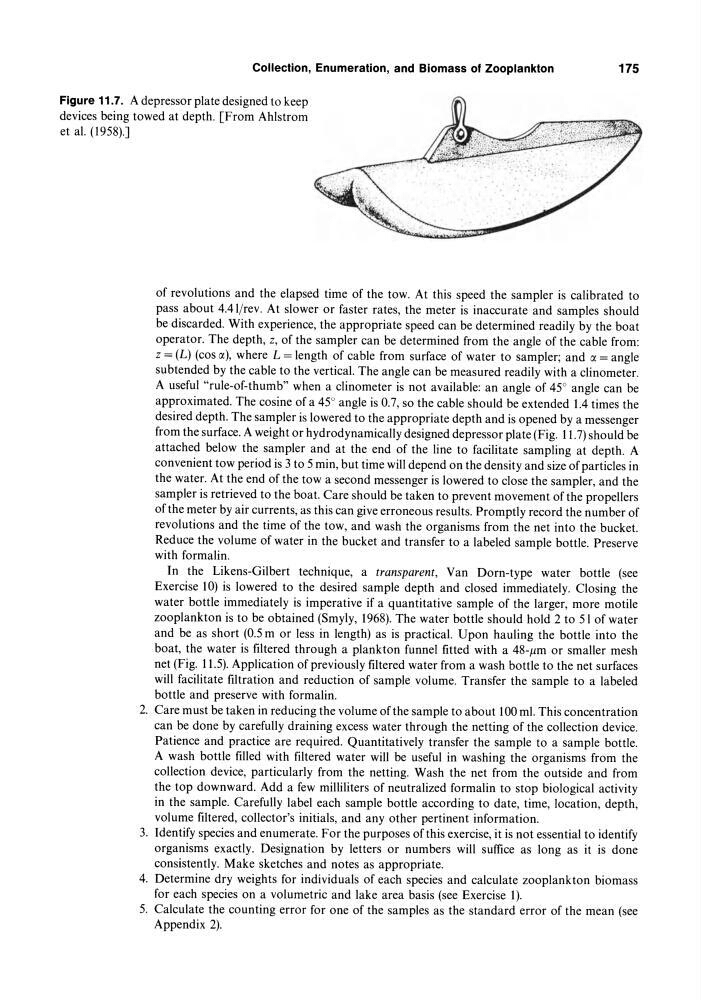
Figure 11.7. A depressor plate designed to keep
devices being towed at depth. [From Ahlstrom
et al. (1958).]
175
of revolutions and the elapsed time of the tow. At this speed the sampler is calibrated to
pass about 4.4ljrev. At slower or faster rates, the meter is inaccurate and samples should
be discarded. With experience, the appropriate speed can be determined readily by the boat
operator. The depth, z, of the sampler can be determined from the angle of the cable from:
z = (L) (cos IJ(), where L = length of cable from surface of water to sampler; and IJ( = angle
subtended by the cable to the vertical. The angle can be measured readily with a clinometer.
A useful "rule-of-thumb" when a clinometer is not available: an angle of 45° angle can be
approximated. The cosine of a 45
u
angle is 0.7, so the cable should be extended 1.4 times the
desired depth. The sampler is lowered to the appropriate depth and is opened by a messenger
from the surface. A weight or hydrodynamically designed depressor plate (Fig. 11 .7) should be
attached below the sampler and at the end of the line to facilitate sampling at depth. A
convenient tow period is 3 to 5 min, but time will depend on the density and size of particles in
the water. At the end of the tow a second messenger is lowered to close the sampler, and the
sampler is retrieved to the boat. Care should be taken to prevent movement of the propellers
of the meter by air currents, as this can give erroneous results. Promptly record the number of
revolutions and the time of the tow, and wash the organisms from the net into the bucket.
Reduce the volume of water in the bucket and transfer to a labeled sample bottle. Preserve
with formalin.
In the Likens-Gilbert technique, a transparent, Van Dorn-type water bottle (see
Exercise 10) is lowered to the desired sample depth and closed immediately. Closing the
water bottle immediately is imperative if a quantitative sample of the larger, more motile
zooplankton is to be obtained (Smyly, 1968). The water bottle should hold 2 to 51 of water
and be as short (0.5 m or less in length) as is practical. Upon hauling the bottle into the
boat, the water is filtered through a plankton funnel fitted with a 48-,um or smaller mesh
net (Fig. 11 .5). Application of previously filtered water from a wash bottle to the net surfaces
will facilitate filtration and reduction of sample volume. Transfer the sample to a labeled
bottle and preserve with formalin.
2. Care must be taken in reducing the volume of the sample to about 100mi. This concentration
can be done by carefully draining excess water through the netting of the collection device.
Patience and practice are required. Quantitatively transfer the sample to a sample bottle.
A wash bottle filled with filtered water will be useful in washing the organisms from the
collection device, particularly from the netting. Wash the net from the outside and from
the top downward. Add a few milliliters of neutralized formalin to stop biological activity
in the sample. Carefully label each sample bottle according to date, time, location, depth,
volume filtered, collector's initials, and any other pertinent information.
3. Identify species and enumerate. For the purposes of this exercise, it is not essential to identify
organisms exactly. Designation by letters or numbers will suffice as long as it is done
consistently. Make sketches and notes as appropriate.
4. Determine dry weights for individuals of each species and calculate zooplankton biomass
for each species on a volumetric and lake area basis (see Exercise 1).
5. Calculate the counting error for one of the samples as the standard error of the mean (see
Appendix 2).
Figure 11.7. A depressor plate designed to keep
devices being towed at depth. [From Ahlstrom
et al. (1958).]
175
of revolutions and the elapsed time of the tow. At this speed the sampler is calibrated to
pass about 4.4ljrev. At slower or faster rates, the meter is inaccurate and samples should
be discarded. With experience, the appropriate speed can be determined readily by the boat
operator. The depth, z, of the sampler can be determined from the angle of the cable from:
z = (L) (cos IJ(), where L = length of cable from surface of water to sampler; and IJ( = angle
subtended by the cable to the vertical. The angle can be measured readily with a clinometer.
A useful "rule-of-thumb" when a clinometer is not available: an angle of 45° angle can be
approximated. The cosine of a 45
u
angle is 0.7, so the cable should be extended 1.4 times the
desired depth. The sampler is lowered to the appropriate depth and is opened by a messenger
from the surface. A weight or hydrodynamically designed depressor plate (Fig. 11 .7) should be
attached below the sampler and at the end of the line to facilitate sampling at depth. A
convenient tow period is 3 to 5 min, but time will depend on the density and size of particles in
the water. At the end of the tow a second messenger is lowered to close the sampler, and the
sampler is retrieved to the boat. Care should be taken to prevent movement of the propellers
of the meter by air currents, as this can give erroneous results. Promptly record the number of
revolutions and the time of the tow, and wash the organisms from the net into the bucket.
Reduce the volume of water in the bucket and transfer to a labeled sample bottle. Preserve
with formalin.
In the Likens-Gilbert technique, a transparent, Van Dorn-type water bottle (see
Exercise 10) is lowered to the desired sample depth and closed immediately. Closing the
water bottle immediately is imperative if a quantitative sample of the larger, more motile
zooplankton is to be obtained (Smyly, 1968). The water bottle should hold 2 to 51 of water
and be as short (0.5 m or less in length) as is practical. Upon hauling the bottle into the
boat, the water is filtered through a plankton funnel fitted with a 48-,um or smaller mesh
net (Fig. 11 .5). Application of previously filtered water from a wash bottle to the net surfaces
will facilitate filtration and reduction of sample volume. Transfer the sample to a labeled
bottle and preserve with formalin.
2. Care must be taken in reducing the volume of the sample to about 100mi. This concentration
can be done by carefully draining excess water through the netting of the collection device.
Patience and practice are required. Quantitatively transfer the sample to a sample bottle.
A wash bottle filled with filtered water will be useful in washing the organisms from the
collection device, particularly from the netting. Wash the net from the outside and from
the top downward. Add a few milliliters of neutralized formalin to stop biological activity
in the sample. Carefully label each sample bottle according to date, time, location, depth,
volume filtered, collector's initials, and any other pertinent information.
3. Identify species and enumerate. For the purposes of this exercise, it is not essential to identify
organisms exactly. Designation by letters or numbers will suffice as long as it is done
consistently. Make sketches and notes as appropriate.
4. Determine dry weights for individuals of each species and calculate zooplankton biomass
for each species on a volumetric and lake area basis (see Exercise 1).
5. Calculate the counting error for one of the samples as the standard error of the mean (see
Appendix 2).