

60
concern since it is, for the most part, limited to the mouths of turbid rivers and
estuaries. Since calibration of ocean color instruments in space can be performed
directly by observation of the lunar disk, allowing evaluation of instrument degradation. However, specific calibration for complex multiple and variable photophores
such as phytoplankton and CDOM cannot be performed directly. Vicarious calibration is performed indirectly through observation at sea of the materials interacting
with light, concurrent with satellite overpasses (Clarke and Mobey 2002; Brown
et al. 2007).
Space-based synoptic observations of near-surface ocean color began with the
launching of the Coastal Zone Color Scanner (CZCS) aboard the polar orbiting
Nimbus 7 weather satellite in 1978. The instrument was equipped with a rotating
plane mirror covering a swath of 1556 km. Light was fed through a reflector telescope and a beam splitter to a polychromator which in turn irradiated five silicon
photodiodes. For surface Chl a estimation, algorithms based on band ratios were
developed to calculate the ratio of water leaving radiance (L W ) at 443 and 670 nm
(where chlorophyll absorbs strongly) to the so-called chlorophyll hinge point at
550 nm where absorption is minimal (and hence the greenness of chlorophyll).
Pixel resolution was 0.825 km centered at nadir. CZCS operated for eight consecutive years and proved the conceptual feasibility of satellite ocean color observing.
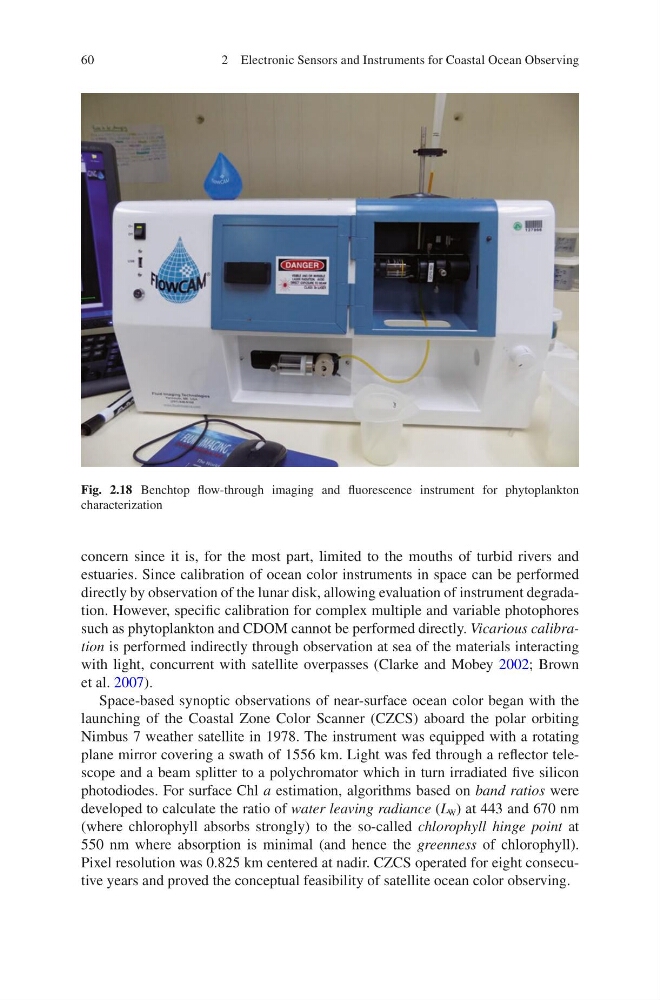
Fig. 2.18 Benchtop flow-through imaging and fluorescence instrument for phytoplankton
characterization
2 Electronic Sensors and Instruments for Coastal Ocean Observing
concern since it is, for the most part, limited to the mouths of turbid rivers and
estuaries. Since calibration of ocean color instruments in space can be performed
directly by observation of the lunar disk, allowing evaluation of instrument degradation. However, specific calibration for complex multiple and variable photophores
such as phytoplankton and CDOM cannot be performed directly. Vicarious calibration is performed indirectly through observation at sea of the materials interacting
with light, concurrent with satellite overpasses (Clarke and Mobey 2002; Brown
et al. 2007).
Space-based synoptic observations of near-surface ocean color began with the
launching of the Coastal Zone Color Scanner (CZCS) aboard the polar orbiting
Nimbus 7 weather satellite in 1978. The instrument was equipped with a rotating
plane mirror covering a swath of 1556 km. Light was fed through a reflector telescope and a beam splitter to a polychromator which in turn irradiated five silicon
photodiodes. For surface Chl a estimation, algorithms based on band ratios were
developed to calculate the ratio of water leaving radiance (L W ) at 443 and 670 nm
(where chlorophyll absorbs strongly) to the so-called chlorophyll hinge point at
550 nm where absorption is minimal (and hence the greenness of chlorophyll).
Pixel resolution was 0.825 km centered at nadir. CZCS operated for eight consecutive years and proved the conceptual feasibility of satellite ocean color observing.
Fig. 2.18 Benchtop flow-through imaging and fluorescence instrument for phytoplankton
characterization
2 Electronic Sensors and Instruments for Coastal Ocean Observing