

with similar ecosystems are found in similar latitudinal and continental locations. Therefore, the
distribution of ecoregions is not haphazard; they
occur in predictable locations in different parts of
the world and can be explained in terms of the
processes producing them. For instance, temperate continental ecoregions in the Northern Hemisphere are always located in the interior of
continents and on the leeward, or eastern, sides;
thus the northeastern United States is in some
ways similar to northern China, Korea, and
northern Japan (Fig. 1.4 and Plate 2).
Because of this predictability, we can make
assumptions about ecological features such as
vegetation type that can be transferred across
similar ecoregions of the same continent, or analogous ecoregions on different continents.
Because data can be reliably extended to analogous sites within an ecoregion, we may greatly
reduce data sampling and monitoring.
1.2
Need for a Comparative
System of Generic Regions
Some schemes of classifying ecosystems have
been based on the intuitive recognition of
homogeneous-appearing regions, without considering the controlling forces that differentiate
them. Using such methods each ecoregion is
considered unique, unrelated to other regions.
These are nothing more than “place name
regions” such as the Great Plains of North America or the high Altiplano of Bolivia, instead of
being based on criteria that define what type of
region each is.
As a result of this, analogous regions in different continents or oceans may not be defined in
the same way. Such inconsistency makes it difficult to exchange environmental information.
Regions defined without specifying the factors
upon which they were based are difficult for
others to scrutinize or confirm. The results are
therefore difficult to communicate convincingly.
In this book I use a more explicit approach where
regions are studied on the basis of comparable
likenesses and differences. Such explicit
methods require us to consider the physical
factors that underlie ecosystem differentiation.
Understanding the processes involved in ecosystem (ecoregion) differentiation provides a
basis for selecting significant criteria: those
which are responsible for creating the range of
ecoregion types found on the Earth. The purpose
of this book is to describe and explain the character and arrangement over the Earth of the
major ecosystem types, and the causes behind
those patterns.
The face of the Earth could yield a nearly
infinite variety of regional ecosystem types,
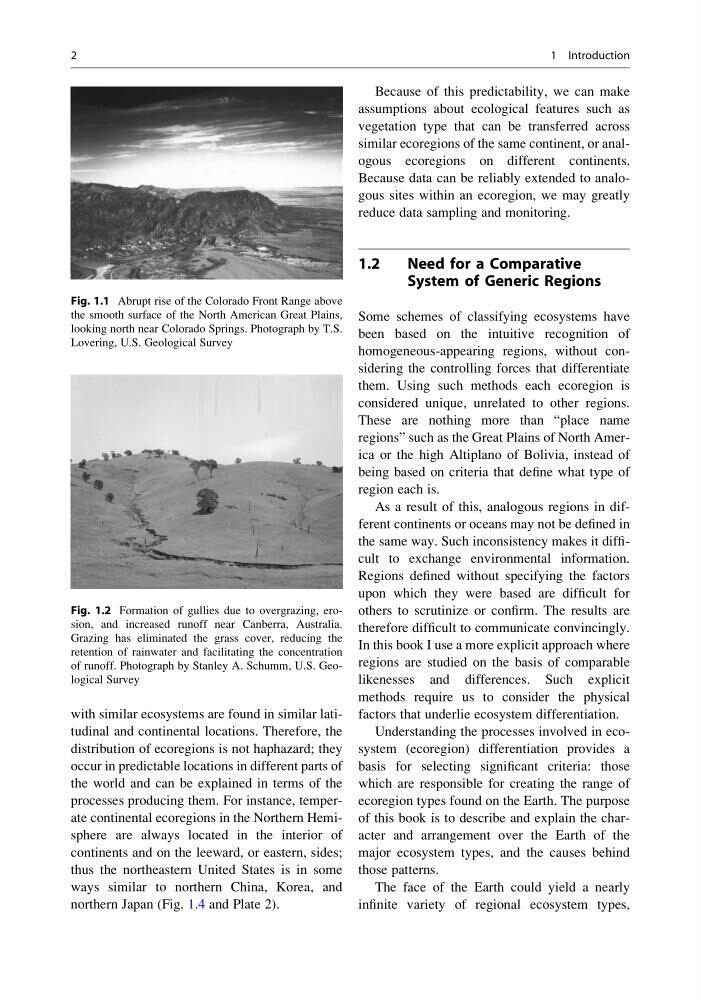
Fig. 1.1 Abrupt rise of the Colorado Front Range above
the smooth surface of the North American Great Plains,
looking north near Colorado Springs. Photograph by T.S.
Lovering, U.S. Geological Survey
Fig. 1.2 Formation of gullies due to overgrazing, erosion, and increased runoff near Canberra, Australia.
Grazing has eliminated the grass cover, reducing the
retention of rainwater and facilitating the concentration
of runoff. Photograph by Stanley A. Schumm, U.S. Geological Survey
2
1 Introduction
distribution of ecoregions is not haphazard; they
occur in predictable locations in different parts of
the world and can be explained in terms of the
processes producing them. For instance, temperate continental ecoregions in the Northern Hemisphere are always located in the interior of
continents and on the leeward, or eastern, sides;
thus the northeastern United States is in some
ways similar to northern China, Korea, and
northern Japan (Fig. 1.4 and Plate 2).
Because of this predictability, we can make
assumptions about ecological features such as
vegetation type that can be transferred across
similar ecoregions of the same continent, or analogous ecoregions on different continents.
Because data can be reliably extended to analogous sites within an ecoregion, we may greatly
reduce data sampling and monitoring.
1.2
Need for a Comparative
System of Generic Regions
Some schemes of classifying ecosystems have
been based on the intuitive recognition of
homogeneous-appearing regions, without considering the controlling forces that differentiate
them. Using such methods each ecoregion is
considered unique, unrelated to other regions.
These are nothing more than “place name
regions” such as the Great Plains of North America or the high Altiplano of Bolivia, instead of
being based on criteria that define what type of
region each is.
As a result of this, analogous regions in different continents or oceans may not be defined in
the same way. Such inconsistency makes it difficult to exchange environmental information.
Regions defined without specifying the factors
upon which they were based are difficult for
others to scrutinize or confirm. The results are
therefore difficult to communicate convincingly.
In this book I use a more explicit approach where
regions are studied on the basis of comparable
likenesses and differences. Such explicit
methods require us to consider the physical
factors that underlie ecosystem differentiation.
Understanding the processes involved in ecosystem (ecoregion) differentiation provides a
basis for selecting significant criteria: those
which are responsible for creating the range of
ecoregion types found on the Earth. The purpose
of this book is to describe and explain the character and arrangement over the Earth of the
major ecosystem types, and the causes behind
those patterns.
The face of the Earth could yield a nearly
infinite variety of regional ecosystem types,
Fig. 1.1 Abrupt rise of the Colorado Front Range above
the smooth surface of the North American Great Plains,
looking north near Colorado Springs. Photograph by T.S.
Lovering, U.S. Geological Survey
Fig. 1.2 Formation of gullies due to overgrazing, erosion, and increased runoff near Canberra, Australia.
Grazing has eliminated the grass cover, reducing the
retention of rainwater and facilitating the concentration
of runoff. Photograph by Stanley A. Schumm, U.S. Geological Survey
2
1 Introduction