

Similar normalization approach can be applied for retrieving biophysical
parameters. In Fig. 16.7, MODIS Leaf Area Index (LAI) 8-day composite product
(MOD15A2, Myneni et al. 2002) from June 2–9, 2002, was used as a reference to
retrieve LAI from Landsat data (WRS-2 path 26 and row 31). The LAI from
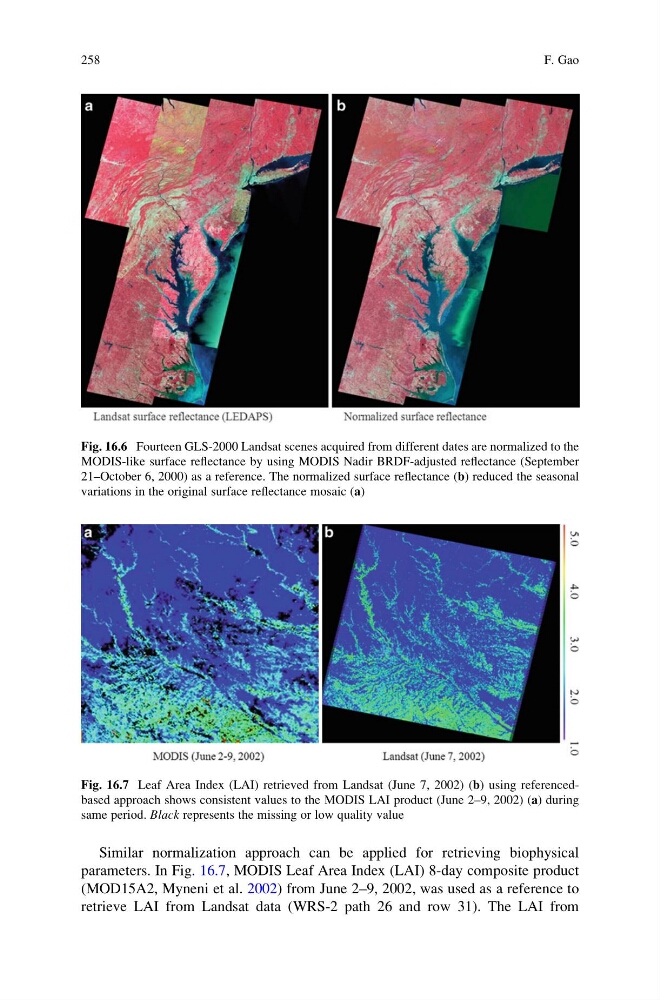
Fig. 16.6 Fourteen GLS-2000 Landsat scenes acquired from different dates are normalized to the
MODIS-like surface reflectance by using MODIS Nadir BRDF-adjusted reflectance (September
21–October 6, 2000) as a reference. The normalized surface reflectance (b) reduced the seasonal
variations in the original surface reflectance mosaic (a)
Fig. 16.7 Leaf Area Index (LAI) retrieved from Landsat (June 7, 2002) (b) using referencedbased approach shows consistent values to the MODIS LAI product (June 2–9, 2002) (a) during
same period. Black represents the missing or low quality value
258
F. Gao
parameters. In Fig. 16.7, MODIS Leaf Area Index (LAI) 8-day composite product
(MOD15A2, Myneni et al. 2002) from June 2–9, 2002, was used as a reference to
retrieve LAI from Landsat data (WRS-2 path 26 and row 31). The LAI from
Fig. 16.6 Fourteen GLS-2000 Landsat scenes acquired from different dates are normalized to the
MODIS-like surface reflectance by using MODIS Nadir BRDF-adjusted reflectance (September
21–October 6, 2000) as a reference. The normalized surface reflectance (b) reduced the seasonal
variations in the original surface reflectance mosaic (a)
Fig. 16.7 Leaf Area Index (LAI) retrieved from Landsat (June 7, 2002) (b) using referencedbased approach shows consistent values to the MODIS LAI product (June 2–9, 2002) (a) during
same period. Black represents the missing or low quality value
258
F. Gao