

Box 1. Impact of Model PPA Programme: Effective Partnership for
Engaging Community in Technology use for Social, Ecological and
Livelihood Benefits around Protected Areas
Linkages and Effective Governance
• 13 Protected Areas from different ecosystems along with 13 project
partners.
• A total of 50 villages were covered under PPA programme with a population of around 25,000.
• More than 3750 tribal households have been involved directly in the
programme. Overall, the programme has engaged with over 66 existing
village level institutions and created around 60 new groups/institutions.
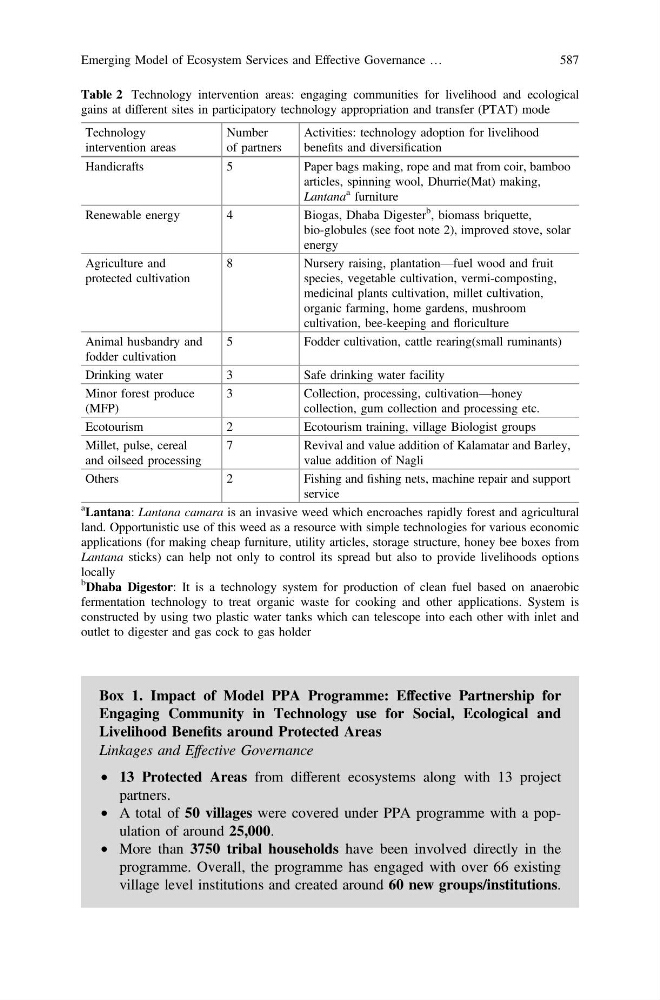
Table 2 Technology intervention areas: engaging communities for livelihood and ecological
gains at different sites in participatory technology appropriation and transfer (PTAT) mode
Technology
intervention areas
Number
of partners
Activities: technology adoption for livelihood
benefits and diversification
Handicrafts
5
Paper bags making, rope and mat from coir, bamboo
articles, spinning wool, Dhurrie(Mat) making,
Lantana
a furniture
Renewable energy
4
Biogas, Dhaba Digester
b
, biomass briquette,
bio-globules (see foot note 2), improved stove, solar
energy
Agriculture and
protected cultivation
8
Nursery raising, plantation—fuel wood and fruit
species, vegetable cultivation, vermi-composting,
medicinal plants cultivation, millet cultivation,
organic farming, home gardens, mushroom
cultivation, bee-keeping and floriculture
Animal husbandry and
fodder cultivation
5
Fodder cultivation, cattle rearing(small ruminants)
Drinking water
3
Safe drinking water facility
Minor forest produce
(MFP)
3
Collection, processing, cultivation—honey
collection, gum collection and processing etc.
Ecotourism
2
Ecotourism training, village Biologist groups
Millet, pulse, cereal
and oilseed processing
7
Revival and value addition of Kalamatar and Barley,
value addition of Nagli
Others
2
Fishing and fishing nets, machine repair and support
service
a Lantana: Lantana camara is an invasive weed which encroaches rapidly forest and agricultural
land. Opportunistic use of this weed as a resource with simple technologies for various economic
applications (for making cheap furniture, utility articles, storage structure, honey bee boxes from
Lantana sticks) can help not only to control its spread but also to provide livelihoods options
locally
b
Dhaba Digestor: It is a technology system for production of clean fuel based on anaerobic
fermentation technology to treat organic waste for cooking and other applications. System is
constructed by using two plastic water tanks which can telescope into each other with inlet and
outlet to digester and gas cock to gas holder
Emerging Model of Ecosystem Services and Effective Governance …
587