

76
2 Substituted Systems
quite unsystematically side by side, 2) many exceptional rulings are to be
accounted for, and 3) many trivial and semitrivial names and rulings are
still retained in equally unsystematic ways.
Specific nomenclature problems of a more complex nature can therefore
frequently only be solved with the help of the stringently codified manuals of the IUPAC and Chern. Abstr. rules (see p. 5). Here, however, emphasis is placed on a concise survey of the general principles behind these
naming conventions.
2.2
Nomenclature Types for Substituted Systems
2.2.1
Substitutive Nomenclature
According to this preferred type of nomenclature appropriately tailored
morphems for substituent and characteristic groups are attached as prefixes or suffixes to the stem (parent) name. The substituents specified in
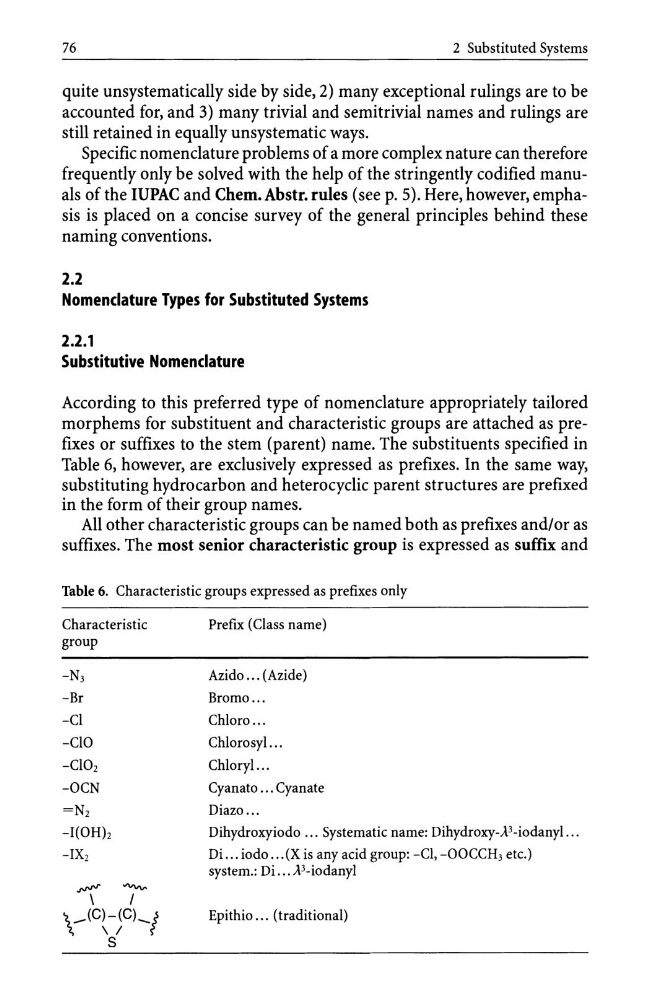
Table 6, however, are exclusively expressed as prefixes. In the same way,
substituting hydrocarbon and heterocyclic parent structures are prefixed
in the form of their group names.
All other characteristic groups can be named both as prefixes and/or as
suffixes. The most senior characteristic group is expressed as suffix and
Table 6. Characteristic groups expressed as prefixes only
Characteristic
group
-N3
-Br
-CI
-CIO
-CI02
-OCN
=N2
-I(OHlz
-IX2
Prefix (Class name)
Azido ... (Azide)
Bromo .. .
Chloro .. .
Chlorosyl ...
Chloryl .. .
Cyanato ... Cyanate
Diazo ...
Dihydroxyiodo ... Systematic name: Dihydroxy-,P-iodanyl ...
Di ... iodo ... (X is any acid group: -CI, -OOCCH3 etc.)
system.: Di ... ,P-iodanyl
Epithio ... (traditional)
2 Substituted Systems
quite unsystematically side by side, 2) many exceptional rulings are to be
accounted for, and 3) many trivial and semitrivial names and rulings are
still retained in equally unsystematic ways.
Specific nomenclature problems of a more complex nature can therefore
frequently only be solved with the help of the stringently codified manuals of the IUPAC and Chern. Abstr. rules (see p. 5). Here, however, emphasis is placed on a concise survey of the general principles behind these
naming conventions.
2.2
Nomenclature Types for Substituted Systems
2.2.1
Substitutive Nomenclature
According to this preferred type of nomenclature appropriately tailored
morphems for substituent and characteristic groups are attached as prefixes or suffixes to the stem (parent) name. The substituents specified in
Table 6, however, are exclusively expressed as prefixes. In the same way,
substituting hydrocarbon and heterocyclic parent structures are prefixed
in the form of their group names.
All other characteristic groups can be named both as prefixes and/or as
suffixes. The most senior characteristic group is expressed as suffix and
Table 6. Characteristic groups expressed as prefixes only
Characteristic
group
-N3
-Br
-CI
-CIO
-CI02
-OCN
=N2
-I(OHlz
-IX2
Prefix (Class name)
Azido ... (Azide)
Bromo .. .
Chloro .. .
Chlorosyl ...
Chloryl .. .
Cyanato ... Cyanate
Diazo ...
Dihydroxyiodo ... Systematic name: Dihydroxy-,P-iodanyl ...
Di ... iodo ... (X is any acid group: -CI, -OOCCH3 etc.)
system.: Di ... ,P-iodanyl
Epithio ... (traditional)