

26
1 Introduction to Analytical Chemistry
A supercritical Auid extractor (SFE) is an apparatus because it performs a function (leaching
analytes from a solid sample) but produces no analytical information; it uses devices (sensors)
that provide non -analytical information (pressure, temperature) about its operation.
A gas chromatograph (Ge) is at the very least an instrument because it accommodates an
on-line detector (of the flame ionization or electron capture type, for example) which produces
a chromatogram that is used to extract analytical information. However, it also uses a column to
separate analytes from interferents, as well as an injector. If the sample can be inserted as such,
a gas chromatogra ph can be considered an analyser; if, on the other hand, it requires some pretreatment - which is usually the case - , the chromatograph can be deemed an instrument.
An instrumental combination of supercritical fluid extraction (SFE) and gas chromatography (Ge) via an appropriate interface can be viewed as an analyser since it can accept
untreated solid samples and produce chromatographic data related to the analytes.
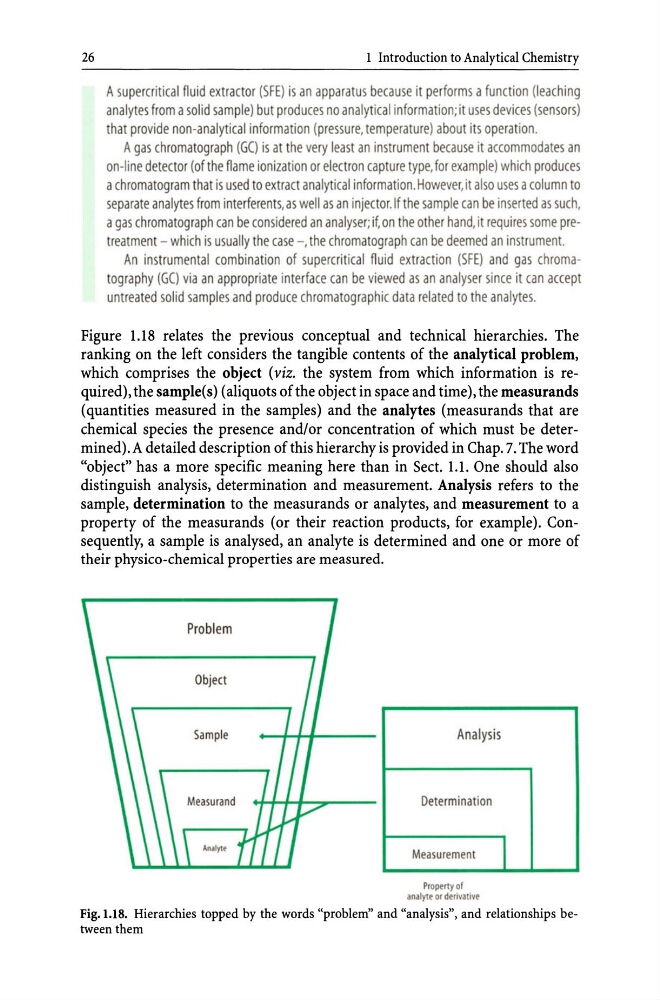
Figure 1.18 relates the previous conceptual and technical hierarchies. The
ranking on the left considers the tangible contents of the analytical problem,
which comprises the object (viz. the system from which information is required), the sample(s) (aliquots of the object in space and time), the measurands
(quantities measured in the samples) and the analytes (measurands that are
chemical species the presence and/or concentration of which must be determined}. A detailed description of this hierarchy is provided in Chap. 7. The word
"object" has a more specific meaning here than in Sect. 1.1. One should also
distinguish analysis, determination and measurement. Analysis refers to the
sample, determination to the measurands or analytes, and measurement to a
property of the measurands (or their reaction products, for example). Consequently, a sample is analysed, an analyte is determined and one or more of
their physico-chemical properties are measured.
Analysis
Determination
Measurement
I
Property of
anal )'1e or derivative
Fig.l.lS. Hierarchies topped by the words "problem" and "analysis", and relationships between them
1 Introduction to Analytical Chemistry
A supercritical Auid extractor (SFE) is an apparatus because it performs a function (leaching
analytes from a solid sample) but produces no analytical information; it uses devices (sensors)
that provide non -analytical information (pressure, temperature) about its operation.
A gas chromatograph (Ge) is at the very least an instrument because it accommodates an
on-line detector (of the flame ionization or electron capture type, for example) which produces
a chromatogram that is used to extract analytical information. However, it also uses a column to
separate analytes from interferents, as well as an injector. If the sample can be inserted as such,
a gas chromatogra ph can be considered an analyser; if, on the other hand, it requires some pretreatment - which is usually the case - , the chromatograph can be deemed an instrument.
An instrumental combination of supercritical fluid extraction (SFE) and gas chromatography (Ge) via an appropriate interface can be viewed as an analyser since it can accept
untreated solid samples and produce chromatographic data related to the analytes.
Figure 1.18 relates the previous conceptual and technical hierarchies. The
ranking on the left considers the tangible contents of the analytical problem,
which comprises the object (viz. the system from which information is required), the sample(s) (aliquots of the object in space and time), the measurands
(quantities measured in the samples) and the analytes (measurands that are
chemical species the presence and/or concentration of which must be determined}. A detailed description of this hierarchy is provided in Chap. 7. The word
"object" has a more specific meaning here than in Sect. 1.1. One should also
distinguish analysis, determination and measurement. Analysis refers to the
sample, determination to the measurands or analytes, and measurement to a
property of the measurands (or their reaction products, for example). Consequently, a sample is analysed, an analyte is determined and one or more of
their physico-chemical properties are measured.
Analysis
Determination
Measurement
I
Property of
anal )'1e or derivative
Fig.l.lS. Hierarchies topped by the words "problem" and "analysis", and relationships between them