

284
7 The Analytical Problem
Any analytical information obtained by subjecting a sample to a CMP that is
not fit for the intended purpose will obviously be of poor quality, even if it possesses any metrological features of excellence (e.g. a high accuracy and a low
specific uncertainty). If any of the attributes of the information required by the
client (e.g. expeditiousness, low cost) is not achieved, the analytical chemist in
charge of the laboratory supplying it will obviously have failed. As shown in
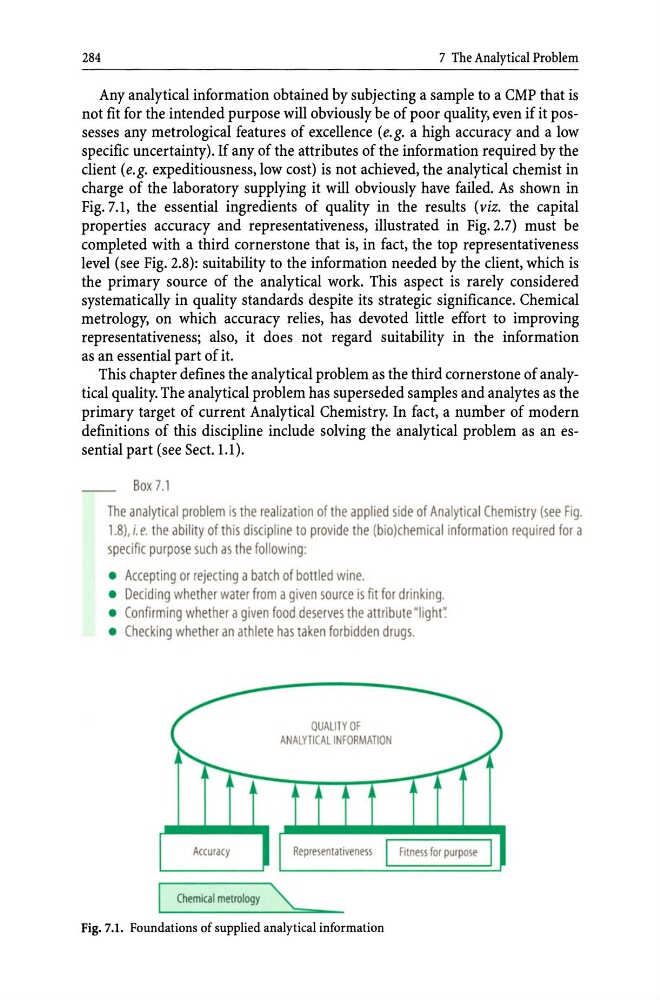
Fig. 7.1, the essential ingredients of quality in the results (viz. the capital
properties accuracy and representativeness, illustrated in Fig.2.7) must be
completed with a third cornerstone that is, in fact, the top representativeness
level (see Fig. 2.8): suitability to the information needed by the client, which is
the primary source of the analytical work. This aspect is rarely considered
systematically in quality standards despite its strategic significance. Chemical
metrology, on which accuracy relies, has devoted little effort to improving
representativeness; also, it does not regard suitability in the information
as an essential part of it.
This chapter defines the analytical problem as the third cornerstone of analytical quality. The analytical problem has superseded samples and analytes as the
primary target of current Analytical Chemistry. In fact, a number of modern
definitions of this discipline include solving the analytical problem as an essential part (see Sect.l.l).
Box 7.1
The analytical problem is the realization of the applied side of Analytical Chemistry (see Fig.
1.8" i. e. the ability of this discipline to provide the (bio)chemical information required for a
specific purpose such as the following:
• Accepting or rejecting a batch of bottled wine.
• Deciding whether water from a given source is fit for drinking.
• Confirming whether a given food deserves the attribute"light~
• Checking whether an athlete has taken forbidden drugs.
Accuracy
QUALITY OF
ANALYTICAL INFORMATION
Representativeness
Chemical metrology " ' -
Fig. 7.1. Foundations of supplied analytical information
Fitness for purpose
7 The Analytical Problem
Any analytical information obtained by subjecting a sample to a CMP that is
not fit for the intended purpose will obviously be of poor quality, even if it possesses any metrological features of excellence (e.g. a high accuracy and a low
specific uncertainty). If any of the attributes of the information required by the
client (e.g. expeditiousness, low cost) is not achieved, the analytical chemist in
charge of the laboratory supplying it will obviously have failed. As shown in
Fig. 7.1, the essential ingredients of quality in the results (viz. the capital
properties accuracy and representativeness, illustrated in Fig.2.7) must be
completed with a third cornerstone that is, in fact, the top representativeness
level (see Fig. 2.8): suitability to the information needed by the client, which is
the primary source of the analytical work. This aspect is rarely considered
systematically in quality standards despite its strategic significance. Chemical
metrology, on which accuracy relies, has devoted little effort to improving
representativeness; also, it does not regard suitability in the information
as an essential part of it.
This chapter defines the analytical problem as the third cornerstone of analytical quality. The analytical problem has superseded samples and analytes as the
primary target of current Analytical Chemistry. In fact, a number of modern
definitions of this discipline include solving the analytical problem as an essential part (see Sect.l.l).
Box 7.1
The analytical problem is the realization of the applied side of Analytical Chemistry (see Fig.
1.8" i. e. the ability of this discipline to provide the (bio)chemical information required for a
specific purpose such as the following:
• Accepting or rejecting a batch of bottled wine.
• Deciding whether water from a given source is fit for drinking.
• Confirming whether a given food deserves the attribute"light~
• Checking whether an athlete has taken forbidden drugs.
Accuracy
QUALITY OF
ANALYTICAL INFORMATION
Representativeness
Chemical metrology " ' -
Fig. 7.1. Foundations of supplied analytical information
Fitness for purpose