

152
H. Gröger
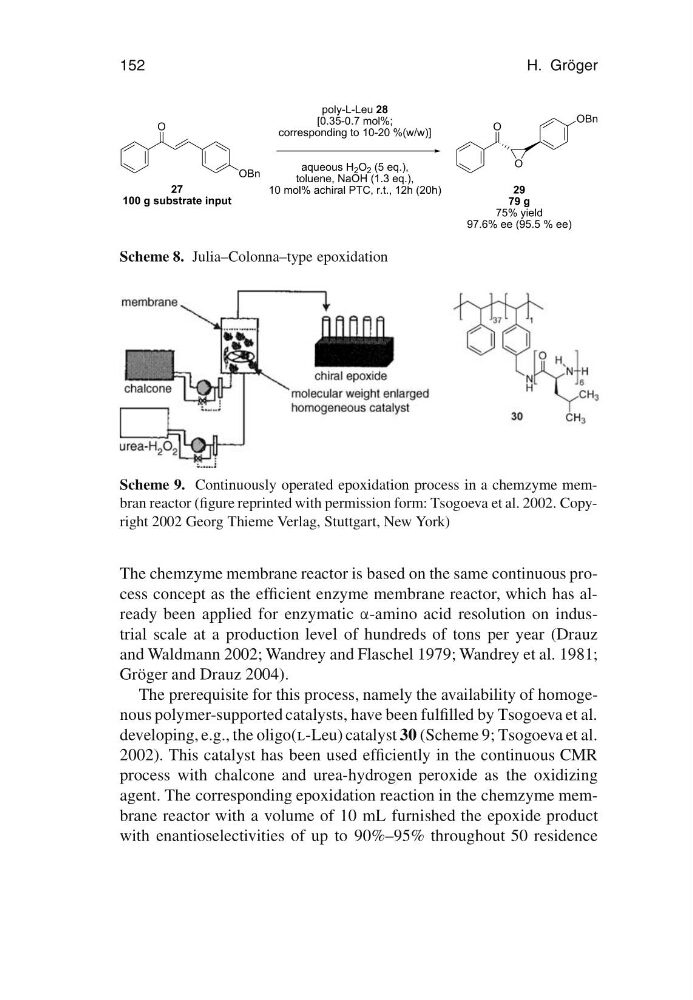
Scheme 8. Julia–Colonna–type epoxidation
Scheme 9. Continuously operated epoxidation process in a chemzyme membran reactor (figure reprinted with permission form: Tsogoeva et al. 2002. Copyright 2002 Georg Thieme Verlag, Stuttgart, New York)
The chemzyme membrane reactor is based on the same continuous process concept as the efficient enzyme membrane reactor, which has already been applied for enzymatic α-amino acid resolution on industrial scale at a production level of hundreds of tons per year (Drauz
and Waldmann 2002; Wandrey and Flaschel 1979; Wandrey et al. 1981;
Gröger and Drauz 2004).
The prerequisite for this process, namely the availability of homogenous polymer-supported catalysts, have been fulfilled by Tsogoeva et al.
developing, e.g., the oligo(l-Leu) catalyst 30 (Scheme 9; Tsogoeva et al.
2002). This catalyst has been used efficiently in the continuous CMR
process with chalcone and urea-hydrogen peroxide as the oxidizing
agent. The corresponding epoxidation reaction in the chemzyme membrane reactor with a volume of 10 mL furnished the epoxide product
with enantioselectivities of up to 90%–95% throughout 50 residence