

Organocatalytic Syntheses of Bioactive Natural Products
131
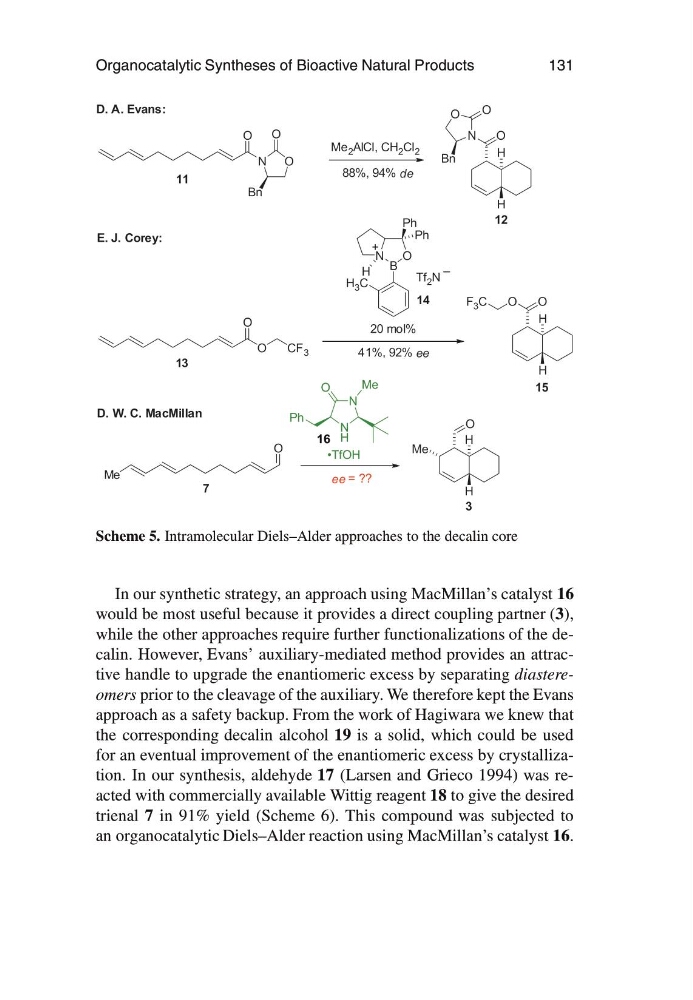
Scheme 5. Intramolecular Diels–Alder approaches to the decalin core
In our synthetic strategy, an approach using MacMillan’s catalyst 16
would be most useful because it provides a direct coupling partner (3),
while the other approaches require further functionalizations of the decalin. However, Evans’ auxiliary-mediated method provides an attractive handle to upgrade the enantiomeric excess by separating diastereomers prior to the cleavage of the auxiliary. We therefore kept the Evans
approach as a safety backup. From the work of Hagiwara we knew that
the corresponding decalin alcohol 19 is a solid, which could be used
for an eventual improvement of the enantiomeric excess by crystallization. In our synthesis, aldehyde 17 (Larsen and Grieco 1994) was reacted with commercially available Wittig reagent 18 to give the desired
trienal 7 in 91% yield (Scheme 6). This compound was subjected to
an organocatalytic Diels–Alder reaction using MacMillan’s catalyst 16.