

52
D. Enders, M.R.M. Hüttl, O. Niemeier
The lower yield may be explained by the fact that linear aldehydes also
undergo self-aldol condensation, which is in direct competition with
the crossed-aldol reaction. Aromatic aldehydes as the carbonyl component led to reduced diastereoselectivity. For example, the (S)-prolinecatalyzed aldol reaction of 4 with ortho-chlorobenzaldehyde proceeded
with a good yield of 73%, but with an anti/syn ratio of only 4:1 and
enantiomeric excesses of 86% ee (anti) and 70% ee (syn).
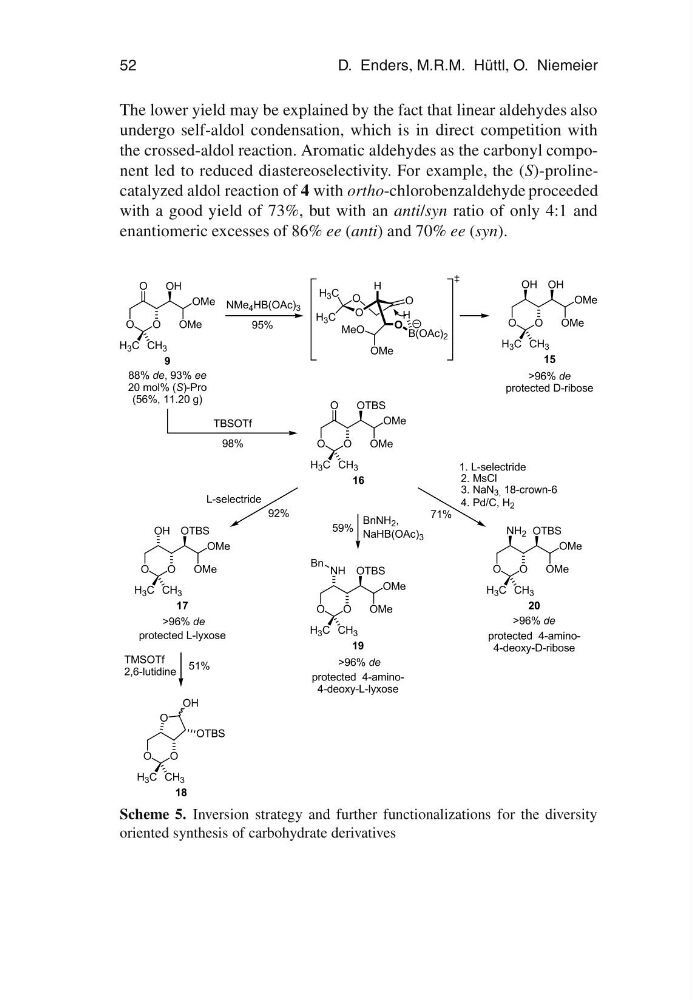
Scheme 5. Inversion strategy and further functionalizations for the diversity
oriented synthesis of carbohydrate derivatives
D. Enders, M.R.M. Hüttl, O. Niemeier
The lower yield may be explained by the fact that linear aldehydes also
undergo self-aldol condensation, which is in direct competition with
the crossed-aldol reaction. Aromatic aldehydes as the carbonyl component led to reduced diastereoselectivity. For example, the (S)-prolinecatalyzed aldol reaction of 4 with ortho-chlorobenzaldehyde proceeded
with a good yield of 73%, but with an anti/syn ratio of only 4:1 and
enantiomeric excesses of 86% ee (anti) and 70% ee (syn).
Scheme 5. Inversion strategy and further functionalizations for the diversity
oriented synthesis of carbohydrate derivatives