

50
D. Enders, M.R.M. Hüttl, O. Niemeier
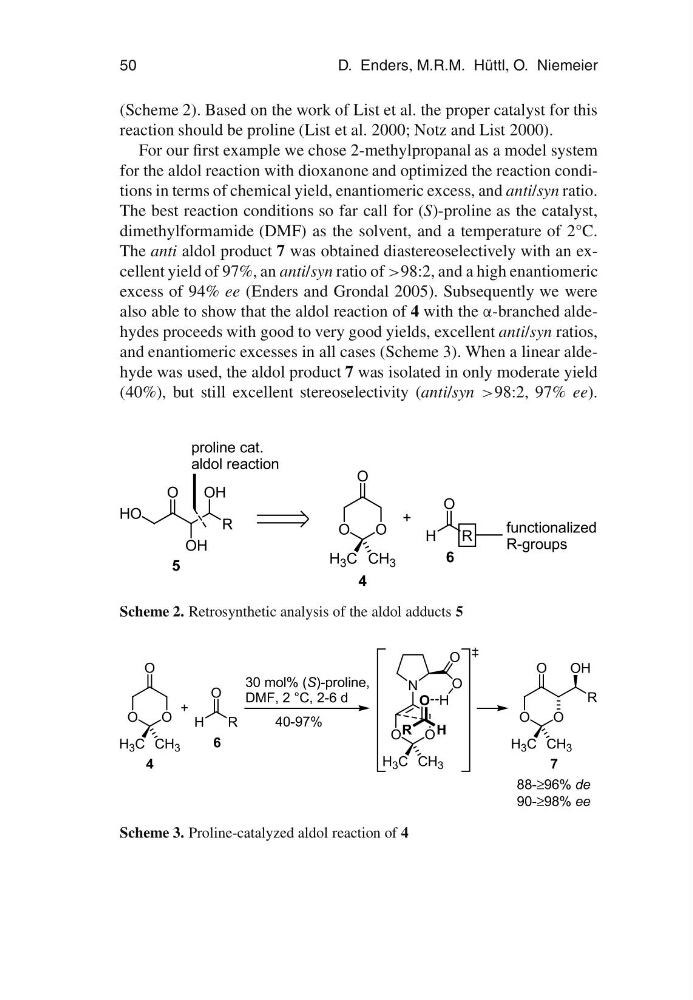
(Scheme 2). Based on the work of List et al. the proper catalyst for this
reaction should be proline (List et al. 2000; Notz and List 2000).
For our first example we chose 2-methylpropanal as a model system
for the aldol reaction with dioxanone and optimized the reaction conditions in terms of chemical yield, enantiomeric excess, and anti/syn ratio.
The best reaction conditions so far call for (S)-proline as the catalyst,
dimethylformamide (DMF) as the solvent, and a temperature of 2°C.
The anti aldol product 7 was obtained diastereoselectively with an excellent yield of 97%, an anti/syn ratio of >98:2, and a high enantiomeric
excess of 94% ee (Enders and Grondal 2005). Subsequently we were
also able to show that the aldol reaction of 4 with the α-branched aldehydes proceeds with good to very good yields, excellent anti/syn ratios,
and enantiomeric excesses in all cases (Scheme 3). When a linear aldehyde was used, the aldol product 7 was isolated in only moderate yield
(40%), but still excellent stereoselectivity (anti/syn >98:2, 97% ee).
Scheme 2. Retrosynthetic analysis of the aldol adducts 5
Scheme 3. Proline-catalyzed aldol reaction of 4
D. Enders, M.R.M. Hüttl, O. Niemeier
(Scheme 2). Based on the work of List et al. the proper catalyst for this
reaction should be proline (List et al. 2000; Notz and List 2000).
For our first example we chose 2-methylpropanal as a model system
for the aldol reaction with dioxanone and optimized the reaction conditions in terms of chemical yield, enantiomeric excess, and anti/syn ratio.
The best reaction conditions so far call for (S)-proline as the catalyst,
dimethylformamide (DMF) as the solvent, and a temperature of 2°C.
The anti aldol product 7 was obtained diastereoselectively with an excellent yield of 97%, an anti/syn ratio of >98:2, and a high enantiomeric
excess of 94% ee (Enders and Grondal 2005). Subsequently we were
also able to show that the aldol reaction of 4 with the α-branched aldehydes proceeds with good to very good yields, excellent anti/syn ratios,
and enantiomeric excesses in all cases (Scheme 3). When a linear aldehyde was used, the aldol product 7 was isolated in only moderate yield
(40%), but still excellent stereoselectivity (anti/syn >98:2, 97% ee).
Scheme 2. Retrosynthetic analysis of the aldol adducts 5
Scheme 3. Proline-catalyzed aldol reaction of 4