

84 Aquaculture Microbiology and Biotechnology
Bacteria
Quality
Safety
Pesticide
Contaminants
Therapeutic agent
Appearance
Off flavor
Texture
Processing defects
Bacteria
Quality
Safety
Pesticide
Contaminants
Therapeutic agent
Appearance
Off flavor
Texture
Processing defects
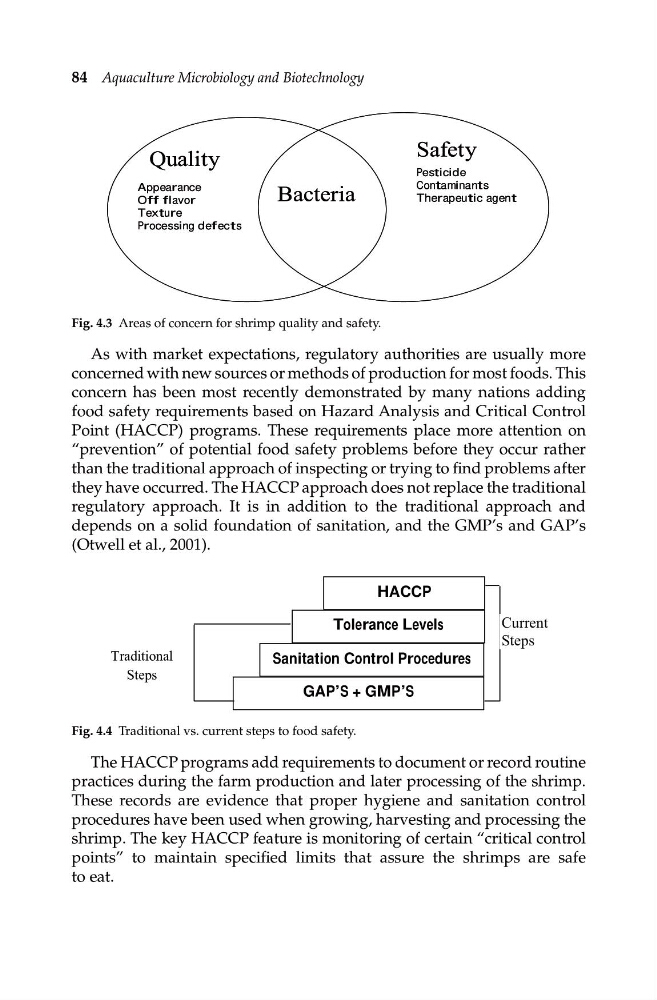
Fig. 4.3 Areas of concern for shrimp quality and safety.
As with market expectations, regulatory authorities are usually more
concerned with new sources or methods of production for most foods. This
concern has been most recently demonstrated by many nations adding
food safety requirements based on Hazard Analysis and Critical Control
Point (HACCP) programs. These requirements place more attention on
“prevention” of potential food safety problems before they occur rather
than the traditional approach of inspecting or trying to fi nd problems after
they have occurred. The HACCP approach does not replace the traditional
regulatory approach. It is in addition to the traditional approach and
depends on a solid foundation of sanitation, and the GMP’s and GAP’s
(Otwell et al., 2001).
Fig. 4.4 Traditional vs. current steps to food safety.
Sanitation Control Procedures
GAP’S + GMP’S
Tolerance Levels
HACCP
Traditional
Steps
Current
Steps
The HACCP programs add requirements to document or record routine
practices during the farm production and later processing of the shrimp.
These records are evidence that proper hygiene and sanitation control
procedures have been used when growing, harvesting and processing the
shrimp. The key HACCP feature is monitoring of certain “critical control
points” to maintain specifi ed limits that assure the shrimps are safe
to eat.
Bacteria
Quality
Safety
Pesticide
Contaminants
Therapeutic agent
Appearance
Off flavor
Texture
Processing defects
Bacteria
Quality
Safety
Pesticide
Contaminants
Therapeutic agent
Appearance
Off flavor
Texture
Processing defects
Fig. 4.3 Areas of concern for shrimp quality and safety.
As with market expectations, regulatory authorities are usually more
concerned with new sources or methods of production for most foods. This
concern has been most recently demonstrated by many nations adding
food safety requirements based on Hazard Analysis and Critical Control
Point (HACCP) programs. These requirements place more attention on
“prevention” of potential food safety problems before they occur rather
than the traditional approach of inspecting or trying to fi nd problems after
they have occurred. The HACCP approach does not replace the traditional
regulatory approach. It is in addition to the traditional approach and
depends on a solid foundation of sanitation, and the GMP’s and GAP’s
(Otwell et al., 2001).
Fig. 4.4 Traditional vs. current steps to food safety.
Sanitation Control Procedures
GAP’S + GMP’S
Tolerance Levels
HACCP
Traditional
Steps
Current
Steps
The HACCP programs add requirements to document or record routine
practices during the farm production and later processing of the shrimp.
These records are evidence that proper hygiene and sanitation control
procedures have been used when growing, harvesting and processing the
shrimp. The key HACCP feature is monitoring of certain “critical control
points” to maintain specifi ed limits that assure the shrimps are safe
to eat.