

Microbiological Safety and Quality of Processed Shrimps and Fishes 79
analyzed for Clostridium botulinum because of the risk of botulinic toxin
presence in the substrate. As emerging pathogen Listeria monocytogenes
might be also analyzed. Imported warm water bivalves must be analyzed
for Vibrio spp because of the risk of its presence (Anonymous, 2007).
Microbiological Quality Assessment of Cultured Fish
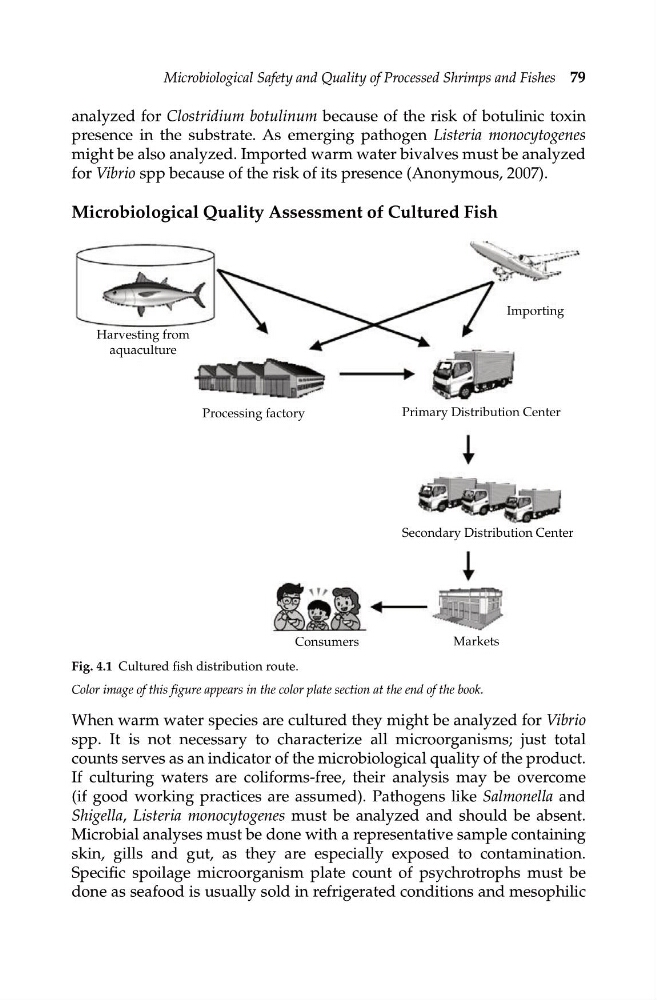
Fig. 4.1 Cultured fi sh distribution route.
Color image of this figure appears in the color plate section at the end of the book.
When warm water species are cultured they might be analyzed for Vibrio
spp. It is not necessary to characterize all microorganisms; just total
counts serves as an indicator of the microbiological quality of the product.
If culturing waters are coliforms-free, their analysis may be overcome
(if good working practices are assumed). Pathogens like Salmonella and
Shigella, Listeria monocytogenes must be analyzed and should be absent.
Microbial analyses must be done with a representative sample containing
skin, gills and gut, as they are especially exposed to contamination.
Specifi c spoilage microorganism plate count of psychrotrophs must be
done as seafood is usually sold in refrigerated conditions and mesophilic
Harvesting from
aquaculture
Importing
Processing factory
Primary Distribution Center
Secondary Distribution Center
Consumers
Markets
analyzed for Clostridium botulinum because of the risk of botulinic toxin
presence in the substrate. As emerging pathogen Listeria monocytogenes
might be also analyzed. Imported warm water bivalves must be analyzed
for Vibrio spp because of the risk of its presence (Anonymous, 2007).
Microbiological Quality Assessment of Cultured Fish
Fig. 4.1 Cultured fi sh distribution route.
Color image of this figure appears in the color plate section at the end of the book.
When warm water species are cultured they might be analyzed for Vibrio
spp. It is not necessary to characterize all microorganisms; just total
counts serves as an indicator of the microbiological quality of the product.
If culturing waters are coliforms-free, their analysis may be overcome
(if good working practices are assumed). Pathogens like Salmonella and
Shigella, Listeria monocytogenes must be analyzed and should be absent.
Microbial analyses must be done with a representative sample containing
skin, gills and gut, as they are especially exposed to contamination.
Specifi c spoilage microorganism plate count of psychrotrophs must be
done as seafood is usually sold in refrigerated conditions and mesophilic
Harvesting from
aquaculture
Importing
Processing factory
Primary Distribution Center
Secondary Distribution Center
Consumers
Markets