

256 Aquaculture Microbiology and Biotechnology
Fish processing by-products are generally rich in proteins and lipid
based compounds. In addition, crustacean shellfi sh processing wastes
contain pigments that contribute for their characteristic colour on cooking.
Proximate composition of different fi sh processing industry by-products
is presented in Table 10.5. As can be seen from the table, protein contents
in by-products of marine species vary from 7.9% (shrimp carapace) to
as high as 25% (Pollock skin) of fresh weights whereas it ranges from
8.5 to ~ 14% in freshwater fi sh by-products. Apparently, fi sh wastes are
also rich in lipids that can be recovered for further applications. In case
of crustacean shell fi shes, recoverable components include chitin (~ 5%
of dry weight), protein (~ 10%) and carotenoids (~ 60 to 185 µg/g fresh
waste) (Table 10.5). In the ensuing paragraphs, general characteristics of
fi sh proteins and lipids will not be discussed rather specifi c lipid/protein
components that have potential applications will be described.
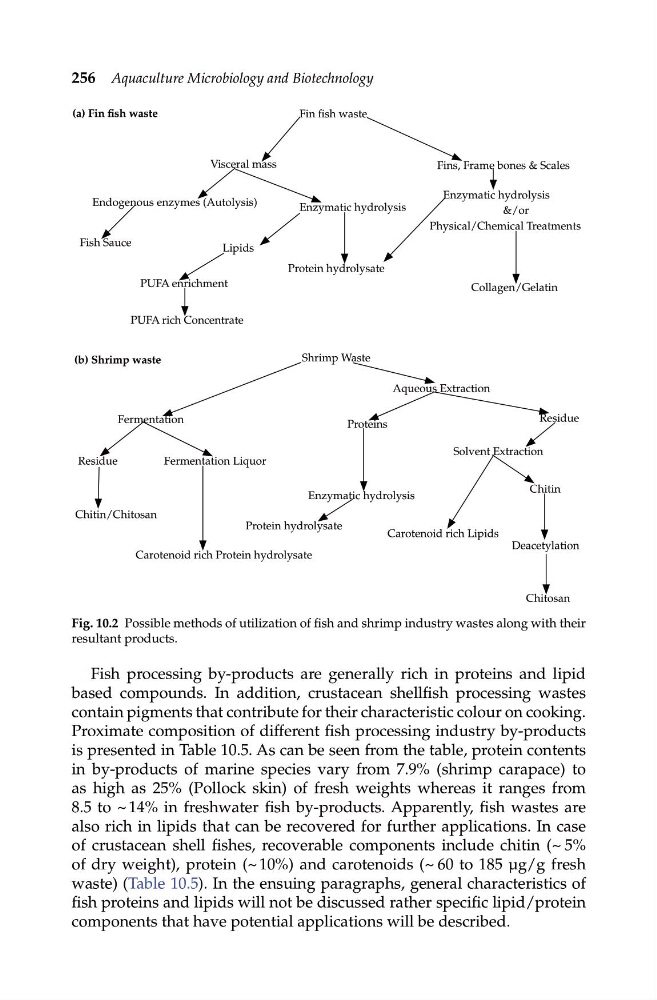
Fig. 10.2 Possible methods of utilization of fi sh and shrimp industry wastes along with their
resultant products.
Fin fi sh waste
Visceral mass
(a) Fin fi sh waste
Fins, Frame bones & Scales
Enzymatic hydrolysis
&/or
Endogenous enzymes (Autolysis)
Enzymatic hydrolysis
Physical/Chemical Treatments
Fish Sauce
Lipids
PUFA enrichment
PUFA rich Concentrate
Collagen/Gelatin
Protein hydrolysate
Protein hydrolysate
(b) Shrimp waste
Shrimp Waste
Fermentation
Aqueous Extraction
Proteins
Residue
Fermentation Liquor
Solvent Extraction
Enzymatic hydrolysis
Chitin/Chitosan
Carotenoid rich Lipids
Carotenoid rich Protein hydrolysate
Chitin
Deacetylation
Chitosan
Residue
Fish processing by-products are generally rich in proteins and lipid
based compounds. In addition, crustacean shellfi sh processing wastes
contain pigments that contribute for their characteristic colour on cooking.
Proximate composition of different fi sh processing industry by-products
is presented in Table 10.5. As can be seen from the table, protein contents
in by-products of marine species vary from 7.9% (shrimp carapace) to
as high as 25% (Pollock skin) of fresh weights whereas it ranges from
8.5 to ~ 14% in freshwater fi sh by-products. Apparently, fi sh wastes are
also rich in lipids that can be recovered for further applications. In case
of crustacean shell fi shes, recoverable components include chitin (~ 5%
of dry weight), protein (~ 10%) and carotenoids (~ 60 to 185 µg/g fresh
waste) (Table 10.5). In the ensuing paragraphs, general characteristics of
fi sh proteins and lipids will not be discussed rather specifi c lipid/protein
components that have potential applications will be described.
Fig. 10.2 Possible methods of utilization of fi sh and shrimp industry wastes along with their
resultant products.
Fin fi sh waste
Visceral mass
(a) Fin fi sh waste
Fins, Frame bones & Scales
Enzymatic hydrolysis
&/or
Endogenous enzymes (Autolysis)
Enzymatic hydrolysis
Physical/Chemical Treatments
Fish Sauce
Lipids
PUFA enrichment
PUFA rich Concentrate
Collagen/Gelatin
Protein hydrolysate
Protein hydrolysate
(b) Shrimp waste
Shrimp Waste
Fermentation
Aqueous Extraction
Proteins
Residue
Fermentation Liquor
Solvent Extraction
Enzymatic hydrolysis
Chitin/Chitosan
Carotenoid rich Lipids
Carotenoid rich Protein hydrolysate
Chitin
Deacetylation
Chitosan
Residue