

CHAPTER 3 . Photochemical Processes in the Euphotic Zone of Sea Water
93
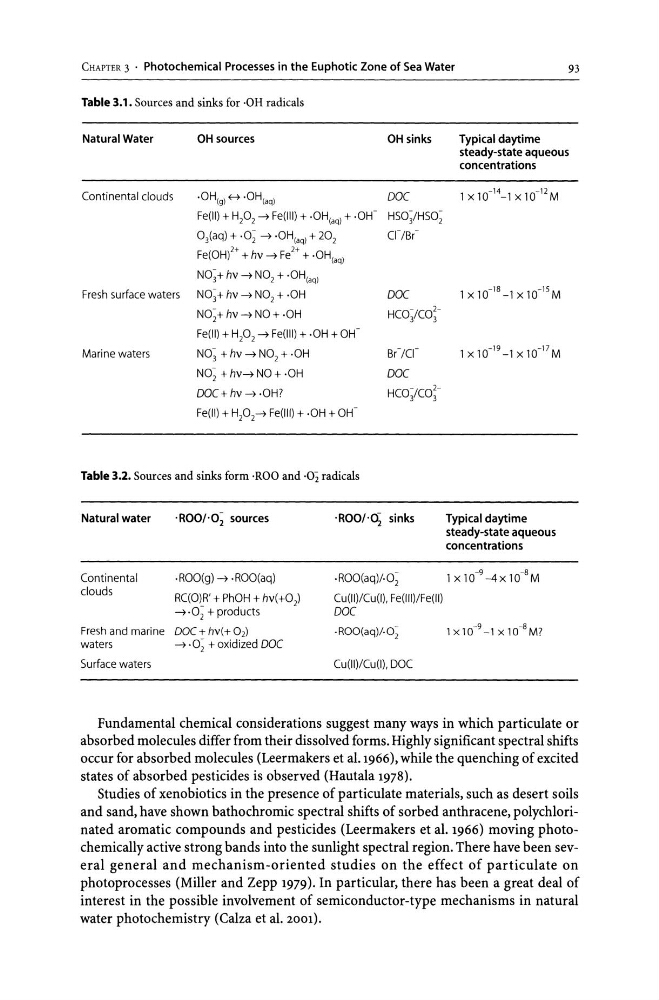
Table 3.1. Sources and sinks for ·0 H radicals
Natural Water
OH sources
OH sinks
Typical daytime
steady-state aqueous
concentrations
Continental clouds
.OH(g) H .OH(aq)
Fe(ll) + HP2 ~ Fe(llI) + .0H(aq) + ·OH
03(aq) + .0; ~ ·OH(aq) + 20 2
2+
2+
Fe(OH) + hv ~ Fe + .0H(aq)
DOC
HSO;/HSO;
CI-/8r1 x 10- 14 _1 X 10- 12 M
Fresh surface waters
NO;+ hv ~ N02 + ·OH(aq)
NO;+ hv ~ N0 2 + ·OH
DOC
HCO;/CO~1 xl 0- 18 -1 X 10- 15 M
Marine waters
NO;+ hv ~ NO + ·OH
Fe(ll) + H 2 0 2 ~ Fe(lll) + ·OH + OH
NO; + hv ~ N0 2 + ·OH
NO; + hv~ NO + ·OH
DOC + hv ~ ·OH?
Fe(ll) + HP2~ Fe(lll) + ·OH + OH
8r-/CIlxl0- 19 _lxl0- 17 M
DOC
HCO;/CO~Table 3.2. Sources and sinks form ·ROO and ·0; radicals
Natural water
Continental
clouds
'ROO/'O; sources
·ROO(g) ~ .ROO(aq)
RC(O)R' + PhOH + hV(+02)
~.O; + products
Fresh and marine DOC + hv(+ 02)
waters
~ .0; + oxidized DOC
Surface waters
·ROO/·a; sinks
Typical daytime
steady-state aqueous
concentrations
. ROO(aq)/.O;
1 x 10- 9 -4x 1O- 8 M
Cu(lI)/Cu(l), Fe(l11)/Fe(l1)
DOC
.ROO(aq)/.O;
1 x10- 9 -1 x 1 0- 8 M?
Cu(lI)/Cu(I), DOC
Fundamental chemical considerations suggest many ways in which particulate or
absorbed molecules differ from their dissolved forms. Highly significant spectral shifts
occur for absorbed molecules (Leermakers et al. 1966), while the quenching of excited
states of absorbed pesticides is observed (Hautala 1978).
Studies of xenobiotics in the presence of particulate materials, such as desert soils
and sand, have shown bathochromic spectral shifts of sorbed anthracene, polychlorinated aromatic compounds and pesticides (Leermakers et al. 1966) moving photochemically active strong bands into the sunlight spectral region. There have been several general and mechanism-oriented studies on the effect of particulate on
photoprocesses (Miller and Zepp 1979). In particular, there has been a great deal of
interest in the possible involvement of semiconductor-type mechanisms in natural
water photochemistry (Calza et al. 2001).
93
Table 3.1. Sources and sinks for ·0 H radicals
Natural Water
OH sources
OH sinks
Typical daytime
steady-state aqueous
concentrations
Continental clouds
.OH(g) H .OH(aq)
Fe(ll) + HP2 ~ Fe(llI) + .0H(aq) + ·OH
03(aq) + .0; ~ ·OH(aq) + 20 2
2+
2+
Fe(OH) + hv ~ Fe + .0H(aq)
DOC
HSO;/HSO;
CI-/8r1 x 10- 14 _1 X 10- 12 M
Fresh surface waters
NO;+ hv ~ N02 + ·OH(aq)
NO;+ hv ~ N0 2 + ·OH
DOC
HCO;/CO~1 xl 0- 18 -1 X 10- 15 M
Marine waters
NO;+ hv ~ NO + ·OH
Fe(ll) + H 2 0 2 ~ Fe(lll) + ·OH + OH
NO; + hv ~ N0 2 + ·OH
NO; + hv~ NO + ·OH
DOC + hv ~ ·OH?
Fe(ll) + HP2~ Fe(lll) + ·OH + OH
8r-/CIlxl0- 19 _lxl0- 17 M
DOC
HCO;/CO~Table 3.2. Sources and sinks form ·ROO and ·0; radicals
Natural water
Continental
clouds
'ROO/'O; sources
·ROO(g) ~ .ROO(aq)
RC(O)R' + PhOH + hV(+02)
~.O; + products
Fresh and marine DOC + hv(+ 02)
waters
~ .0; + oxidized DOC
Surface waters
·ROO/·a; sinks
Typical daytime
steady-state aqueous
concentrations
. ROO(aq)/.O;
1 x 10- 9 -4x 1O- 8 M
Cu(lI)/Cu(l), Fe(l11)/Fe(l1)
DOC
.ROO(aq)/.O;
1 x10- 9 -1 x 1 0- 8 M?
Cu(lI)/Cu(I), DOC
Fundamental chemical considerations suggest many ways in which particulate or
absorbed molecules differ from their dissolved forms. Highly significant spectral shifts
occur for absorbed molecules (Leermakers et al. 1966), while the quenching of excited
states of absorbed pesticides is observed (Hautala 1978).
Studies of xenobiotics in the presence of particulate materials, such as desert soils
and sand, have shown bathochromic spectral shifts of sorbed anthracene, polychlorinated aromatic compounds and pesticides (Leermakers et al. 1966) moving photochemically active strong bands into the sunlight spectral region. There have been several general and mechanism-oriented studies on the effect of particulate on
photoprocesses (Miller and Zepp 1979). In particular, there has been a great deal of
interest in the possible involvement of semiconductor-type mechanisms in natural
water photochemistry (Calza et al. 2001).