

14 Marine Macro- and Microalgae: An Overview
The transition between the intertidal and subtidal is characterized by the presence of frondose and
cartilaginous algae (e.g., Elisolandia, Cystoseira, Dictyota, Halopteris, Pterocladiella, Stypocaulon),
although the crusts and turfs remain present.
At lower subtidal levels, rocks are often covered by filamentous forms and large foliose species
(mainly Dictyotales). Crustose corallines constitute the first strata.
Benthic communities in tropical waters
Coral reefs are important components in tropical and subtropical regions characterized by clear and saline
waters with high circulation and an average temperature of 22°C (Dawes 1998). They are known for their
structural complexity and high productivity, for which algae are primarily responsible. This observation
is counterintuitive, given that at first glance reefs seem to be depleted of algae and that species diversity
of benthic macroalgae in tropical areas is about half of that in northern temperate and cold regions (Keith
et al. 2014).
The main groups of algae present in coral reefs are: dinoflagellates endosymbionts (e.g.,
Symbiodinium); perforating filamentous algae of classes Cyanophyceae and Chlorophyceae that inhabit
living and dead corals; crustose corallines; multispecific turf; and several erect species (Dictyota, Padina,
Sargassum, Udotea, Halimeda). The calcareous algae act as builders of the structure that supports the
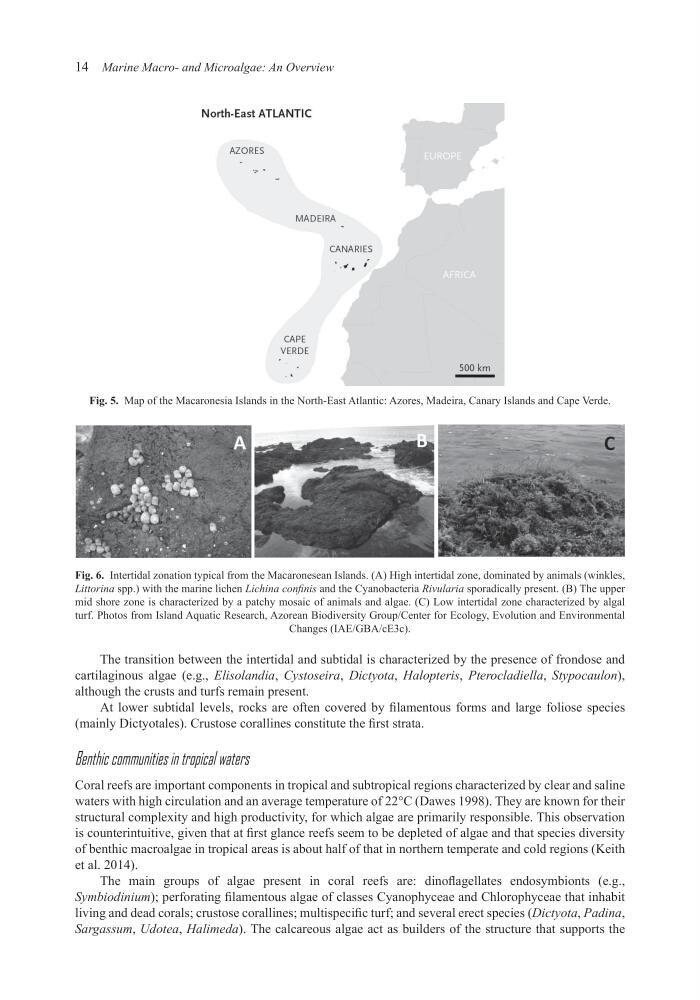
Fig. 5. Map of the Macaronesia Islands in the North-East Atlantic: Azores, Madeira, Canary Islands and Cape Verde.
Fig. 6. Intertidal zonation typical from the Macaronesean Islands. (A) High intertidal zone, dominated by animals (winkles,
Littorina spp.) with the marine lichen Lichina confinis and the Cyanobacteria Rivularia sporadically present. (B) The upper
mid shore zone is characterized by a patchy mosaic of animals and algae. (C) Low intertidal zone characterized by algal
turf. Photos from Island Aquatic Research, Azorean Biodiversity Group/Center for Ecology, Evolution and Environmental
Changes (IAE/GBA/cE3c).
North-East ATLANTIC
AZORES
MADEIRA
CAPE
VERDE
CANARIES
.. ~. ,500 km
The transition between the intertidal and subtidal is characterized by the presence of frondose and
cartilaginous algae (e.g., Elisolandia, Cystoseira, Dictyota, Halopteris, Pterocladiella, Stypocaulon),
although the crusts and turfs remain present.
At lower subtidal levels, rocks are often covered by filamentous forms and large foliose species
(mainly Dictyotales). Crustose corallines constitute the first strata.
Benthic communities in tropical waters
Coral reefs are important components in tropical and subtropical regions characterized by clear and saline
waters with high circulation and an average temperature of 22°C (Dawes 1998). They are known for their
structural complexity and high productivity, for which algae are primarily responsible. This observation
is counterintuitive, given that at first glance reefs seem to be depleted of algae and that species diversity
of benthic macroalgae in tropical areas is about half of that in northern temperate and cold regions (Keith
et al. 2014).
The main groups of algae present in coral reefs are: dinoflagellates endosymbionts (e.g.,
Symbiodinium); perforating filamentous algae of classes Cyanophyceae and Chlorophyceae that inhabit
living and dead corals; crustose corallines; multispecific turf; and several erect species (Dictyota, Padina,
Sargassum, Udotea, Halimeda). The calcareous algae act as builders of the structure that supports the
Fig. 5. Map of the Macaronesia Islands in the North-East Atlantic: Azores, Madeira, Canary Islands and Cape Verde.
Fig. 6. Intertidal zonation typical from the Macaronesean Islands. (A) High intertidal zone, dominated by animals (winkles,
Littorina spp.) with the marine lichen Lichina confinis and the Cyanobacteria Rivularia sporadically present. (B) The upper
mid shore zone is characterized by a patchy mosaic of animals and algae. (C) Low intertidal zone characterized by algal
turf. Photos from Island Aquatic Research, Azorean Biodiversity Group/Center for Ecology, Evolution and Environmental
Changes (IAE/GBA/cE3c).
North-East ATLANTIC
AZORES
MADEIRA
CAPE
VERDE
CANARIES
.. ~. ,500 km