

427
et al. 1976, Hempel 19S2, Manriquez y Fraga 19S2, Mittelstaedt 19S3 ,1991 , Molina and
Laatzen 1986,19S9, Barton 1987 , Herna.ndez-Guerra et a!. 1995). Complementary work
has been done using remote sensillg techniques (Va.n Camp et al. 1991, Gabric et al. 1993,
Hernandez-Guerra et al. 1993). The picture that emanated from these studies is permanent upwelling over the continental platform and slope between Cape Blanc (21°N)
and Cape Bojador (26°N) , and seasonal upwelling reaching the Iberian Peninsula (400N)
during summer and Cape Vert (15°N) during winter. The temperature difference between
offshore waters and the upwelling region is maximum (almost 7°C) during summer, both
due to the creation of the seasonal thermocline and to the intensification of the trade
winds. Other conclusions are that the seasonal thermocline responds very rapidly to wind
events (in hours) , while the upper portion of the permanent thermocline has a much slower
response, and that upwelling is a complex three-dimensional phenomenon, characterized
by multiple eddies and filaments.
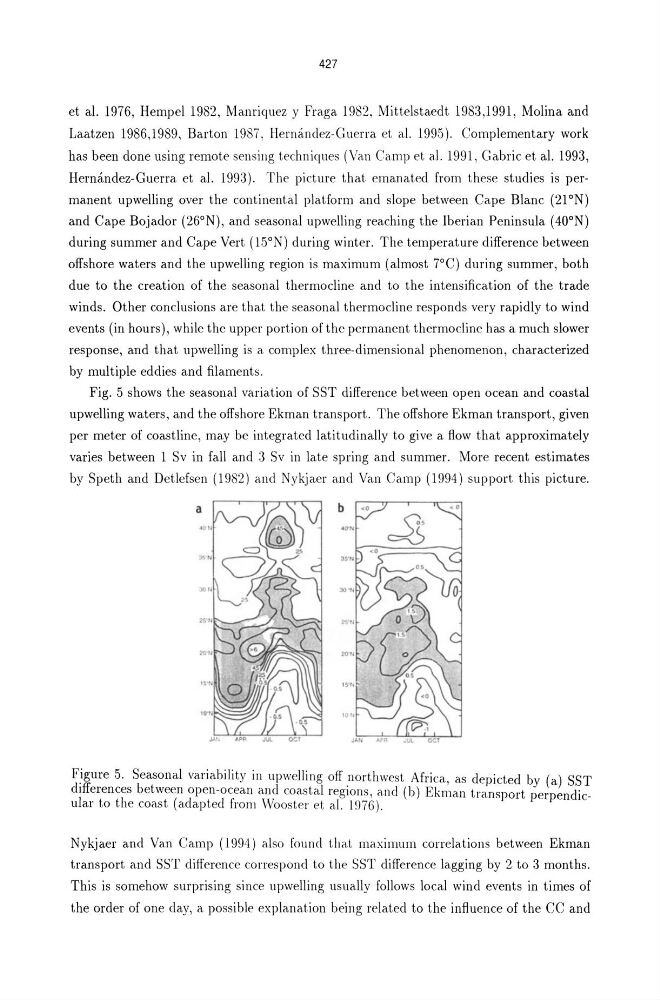
Fig. 5 shows the seasonal variation of SST difference between open ocean and coastal
upwelling waters , and the offshore Ekman transport. The offshore Ekman transport, given
per meter of coastline, may be integrated latitudinally to give a flow that approximately
varies between 1 Sv in fall and 3 Sv in late spring and summer. More recent estimates
by Speth and Detlefsen (1982) and Nykjaer and Van Camp (1994) support this picture.
F.igure 5. Seasonal variability in upwelling off northwest Africa, as depicted by (a) SST
dIfferences between open-oc.ean and coastal regions , and (b) Ekman transport perpendicular to the coast (adapted hom Wooster et a!. 1976).
Nykjaer and Van Camp (1994) also found that maximum correlations between Ekman
transport and SST difference correspond to the SST difference lagging by 2 to 3 months.
This is somehow surprising since upwelling usually follows local wind events in times of
the order of one day, a possible explanation being related to the influence of the CC and
et al. 1976, Hempel 19S2, Manriquez y Fraga 19S2, Mittelstaedt 19S3 ,1991 , Molina and
Laatzen 1986,19S9, Barton 1987 , Herna.ndez-Guerra et a!. 1995). Complementary work
has been done using remote sensillg techniques (Va.n Camp et al. 1991, Gabric et al. 1993,
Hernandez-Guerra et al. 1993). The picture that emanated from these studies is permanent upwelling over the continental platform and slope between Cape Blanc (21°N)
and Cape Bojador (26°N) , and seasonal upwelling reaching the Iberian Peninsula (400N)
during summer and Cape Vert (15°N) during winter. The temperature difference between
offshore waters and the upwelling region is maximum (almost 7°C) during summer, both
due to the creation of the seasonal thermocline and to the intensification of the trade
winds. Other conclusions are that the seasonal thermocline responds very rapidly to wind
events (in hours) , while the upper portion of the permanent thermocline has a much slower
response, and that upwelling is a complex three-dimensional phenomenon, characterized
by multiple eddies and filaments.
Fig. 5 shows the seasonal variation of SST difference between open ocean and coastal
upwelling waters , and the offshore Ekman transport. The offshore Ekman transport, given
per meter of coastline, may be integrated latitudinally to give a flow that approximately
varies between 1 Sv in fall and 3 Sv in late spring and summer. More recent estimates
by Speth and Detlefsen (1982) and Nykjaer and Van Camp (1994) support this picture.
F.igure 5. Seasonal variability in upwelling off northwest Africa, as depicted by (a) SST
dIfferences between open-oc.ean and coastal regions , and (b) Ekman transport perpendicular to the coast (adapted hom Wooster et a!. 1976).
Nykjaer and Van Camp (1994) also found that maximum correlations between Ekman
transport and SST difference correspond to the SST difference lagging by 2 to 3 months.
This is somehow surprising since upwelling usually follows local wind events in times of
the order of one day, a possible explanation being related to the influence of the CC and