

form thick and short chromosomes. When division is not occurring, the entirety is
surrounded by a nuclear membrane; because a cell nucleus is present, such
organisms are known as eukaryotes. The total number of nucleotide pairs in the
human chromosome is estimated to be around three billion.
2.8 Plasmids
In addition to the DNA carrying the genes for all traits (sometimes called the
bacterial chromosome), E. coli cells also contain a few separate pieces of DNA that
are much smaller, at around one-millionth the scale. The genes that determine the
E. coli’s sex or confer resistance to antibiotics are very small “mini-genes,”
ring-shaped DNA that replicate and proliferate independently from the main DNA
and are passed down to offspring when the cell divides. While not essential for the
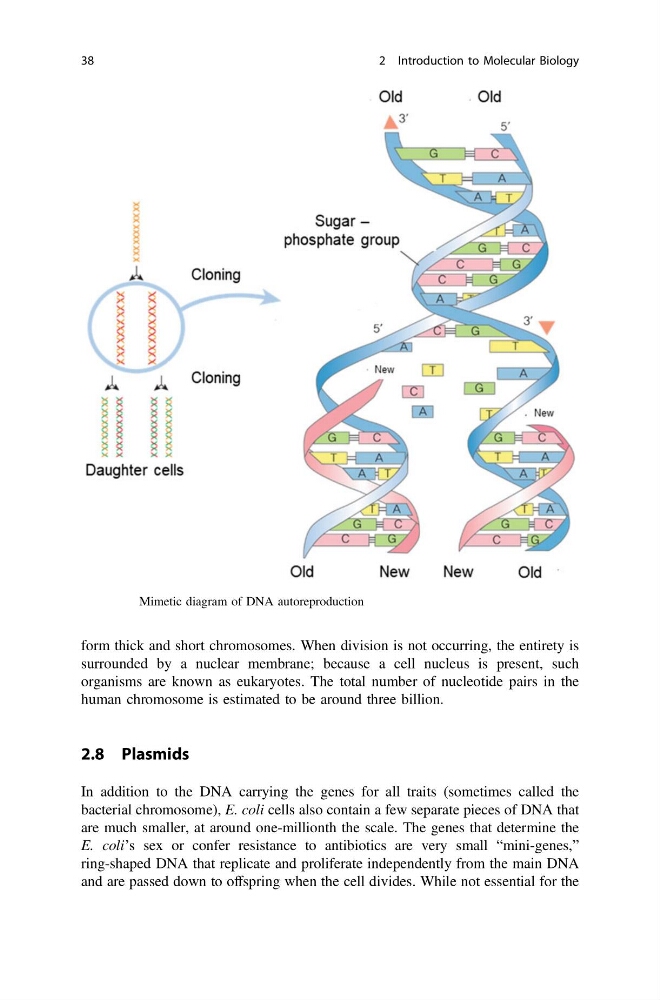
Fig. 2.11 Mimetic diagram of DNA autoreproduction
38
2 Introduction to Molecular Biology
surrounded by a nuclear membrane; because a cell nucleus is present, such
organisms are known as eukaryotes. The total number of nucleotide pairs in the
human chromosome is estimated to be around three billion.
2.8 Plasmids
In addition to the DNA carrying the genes for all traits (sometimes called the
bacterial chromosome), E. coli cells also contain a few separate pieces of DNA that
are much smaller, at around one-millionth the scale. The genes that determine the
E. coli’s sex or confer resistance to antibiotics are very small “mini-genes,”
ring-shaped DNA that replicate and proliferate independently from the main DNA
and are passed down to offspring when the cell divides. While not essential for the
Fig. 2.11 Mimetic diagram of DNA autoreproduction
38
2 Introduction to Molecular Biology