

observed with the human eye. The removal of the coastal oil would take many years
if left to natural self-purification functions alone. After the accident occurred, fertilizer to promote propagation of the microbes was spread along the coast. The
fertilizer contained not only nitrogen, phosphorus, and other essential nutrients for
microbes, but also surfactants, which are capable of dissolving floating oil on the
ocean surface into the surrounding water (Van Hamme et al. 2003).
In 1990, The U.S. Environmental Protection Agency conducted a survey in
which it reported petroleum components to have been dissolved at rates three to five
times faster in ocean trenches where fertilizer was used than in those where it was
not. Even without these numbers to offer proof, mere visual examination of the
coastal regions where fertilizer was spread showed them recovering nearly all of
their original color, prompting a renewed appreciation of the utility of
bio-remediation techniques harnessing the power of microbes.
The Alaskan oil spill is an example of making effective use of
petroleum-dissolving microbes that happened to already be present at the accident
site. Another method under consideration involves artificially introducing
petroleum-dissolving microbes into the sea and allowing them to dissolve and
remove oil spills. Doing so will require the identification of microbes that are
capable of dissolving microbes with great efficiency. The crude oil that is the source
of contamination is a complex mixture of some 10,000 different ingredients. In
particular, they contain many hydrocarbons, such as paraffin compounds, which are
carbon compounds in chain form; aromatic compounds structured around a benzene
nucleus; resins with complex structures; and asphaltene. These components are
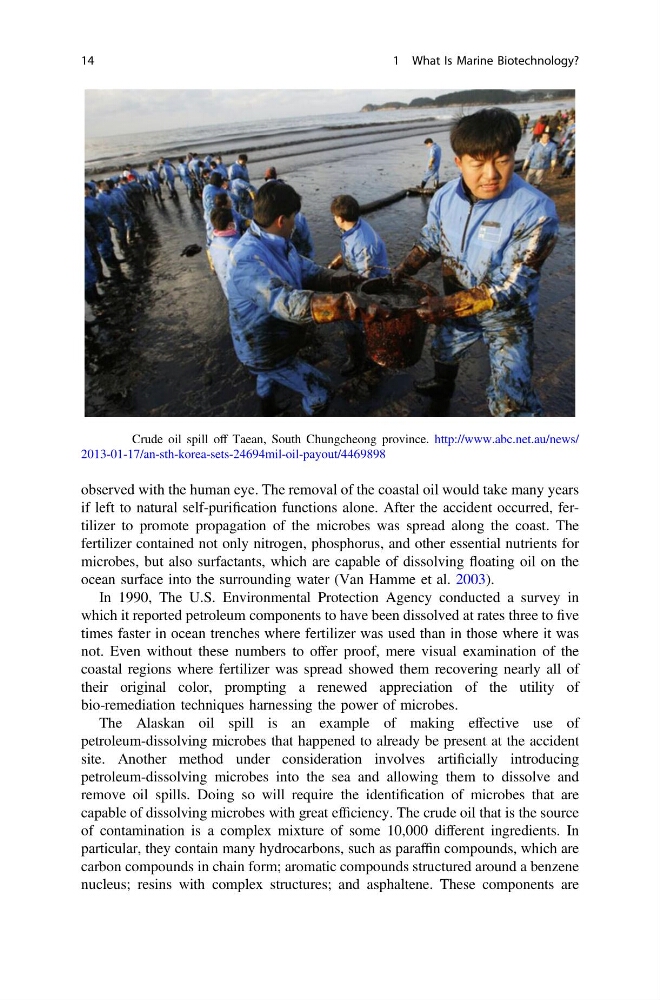
Fig. 1.2 Crude oil spill off Taean, South Chungcheong province. http://www.abc.net.au/news/
2013-01-17/an-sth-korea-sets-24694mil-oil-payout/4469898
14
1 What Is Marine Biotechnology?
if left to natural self-purification functions alone. After the accident occurred, fertilizer to promote propagation of the microbes was spread along the coast. The
fertilizer contained not only nitrogen, phosphorus, and other essential nutrients for
microbes, but also surfactants, which are capable of dissolving floating oil on the
ocean surface into the surrounding water (Van Hamme et al. 2003).
In 1990, The U.S. Environmental Protection Agency conducted a survey in
which it reported petroleum components to have been dissolved at rates three to five
times faster in ocean trenches where fertilizer was used than in those where it was
not. Even without these numbers to offer proof, mere visual examination of the
coastal regions where fertilizer was spread showed them recovering nearly all of
their original color, prompting a renewed appreciation of the utility of
bio-remediation techniques harnessing the power of microbes.
The Alaskan oil spill is an example of making effective use of
petroleum-dissolving microbes that happened to already be present at the accident
site. Another method under consideration involves artificially introducing
petroleum-dissolving microbes into the sea and allowing them to dissolve and
remove oil spills. Doing so will require the identification of microbes that are
capable of dissolving microbes with great efficiency. The crude oil that is the source
of contamination is a complex mixture of some 10,000 different ingredients. In
particular, they contain many hydrocarbons, such as paraffin compounds, which are
carbon compounds in chain form; aromatic compounds structured around a benzene
nucleus; resins with complex structures; and asphaltene. These components are
Fig. 1.2 Crude oil spill off Taean, South Chungcheong province. http://www.abc.net.au/news/
2013-01-17/an-sth-korea-sets-24694mil-oil-payout/4469898
14
1 What Is Marine Biotechnology?